Your muscles ache after a tough workout. You feel tired. But what if you could speed up recovery? Certain supplements can help. This guide explores effective options.
Intense exercise creates tiny tears in muscle fibers. Your body repairs these tears. This repair process makes muscles stronger. Recovery allows your body to rebuild. Without adequate rest, you risk injury. Effective recovery is crucial for progress.
The Science of Muscle Repair
During strenuous activity, muscle protein breaks down. Repair mechanisms then kick in. This involves inflammation and rebuilding. Hormonal signals guide this process. Adequate nutrition fuels repair.
Why Recovery Matters
Muscle recovery is not just about feeling better. It’s about adaptation. Your muscles grow when they recover. Faster recovery means you can train again sooner. It optimises your fitness gains. Pushing too hard without recovery leads to burnout.
For those looking to optimize their muscle recovery, it’s essential to consider the right supplement stack. A comprehensive guide can be found in this article on the best supplement stack for muscle recovery, which highlights key ingredients and their benefits. To explore this topic further, check out the related article at The Muscle Group, where you can find valuable insights and recommendations tailored to enhance your recovery process.
Protein: The Building Blocks
Protein is essential for muscle repair. Muscles are made of protein. You need protein to rebuild damaged fibers. Consuming enough protein is vital.
Whey Protein
Whey protein digests quickly. It provides amino acids rapidly. This is ideal post-workout. It helps kickstart muscle repair. Think of it as an express delivery service for muscle building.
Casein Protein
Casein digests slowly. It releases amino acids over time. This provides sustained nourishment. It’s good before bed. It acts like a slow-release nutrient drip.
Plant-Based Proteins
For vegetarians or vegans, plant-based options exist. Pea, rice, or soy proteins work. They offer complete amino acid profiles. Look for blends to ensure quality.
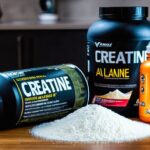
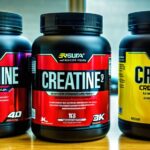
Creatine: Powering Performance
Creatine helps muscles produce energy. It is stored as phosphocreatine. This fuels short, intense bursts of activity. It can improve strength and power. Recovery might also benefit.
How Creatine Works
Creatine increases ATP availability. ATP is your body’s energy currency. More ATP means more power. This helps you lift heavier or run faster. Muscles store creatine.
Types of Creatine
Creatine monohydrate is the most studied form. It is safe and effective. Other forms exist but lack strong evidence. Stick to creatine monohydrate.
Dosage and Timing
A typical dose is 3-5 grams daily. You can “load” initially. This means taking more for a short period. Consistency is key. Taking it around your workouts may be beneficial.
Branched-Chain Amino Acids (BCAAs)
BCAAs are three specific amino acids. These are leucine, isoleucine, and valine. They play a key role in muscle protein synthesis. They can reduce muscle soreness.
Leucine’s Role
Leucine is particularly important. It signals muscle repair to begin. It’s like the foreman of the construction crew. Without enough leucine, repair slows.
When to Take BCAAs
You can take BCAAs during workouts. They may prevent muscle breakdown. Taking them post-workout also aids repair. They can be taken as a powder or in capsules.
Other Amino Acids
Other amino acids are also important. Glutamine is sometimes mentioned. Its direct impact on muscle recovery is debated. Focus on a complete protein source.
For those looking to optimize their muscle recovery, exploring the best supplement stack can be incredibly beneficial. A recent article discusses various supplements that can enhance recovery times and improve overall performance. If you’re interested in learning more about effective recovery strategies, you can check out the article here: best supplement stack for muscle recovery. Incorporating the right combination of nutrients can make a significant difference in how quickly your muscles recover after intense workouts.
Carbohydrates: Refueling Your Engine
| Supplement | Dosage | Key Benefits | Timing | Notes |
|---|---|---|---|---|
| Whey Protein | 20-30g post-workout | Supports muscle repair and growth | Within 30 minutes after exercise | Fast absorption; ideal for immediate recovery |
| Creatine Monohydrate | 3-5g daily | Enhances strength and muscle energy | Any time; consistent daily intake | Supports repeated high-intensity efforts |
| Branched-Chain Amino Acids (BCAAs) | 5-10g before or during workout | Reduces muscle soreness and fatigue | Pre or intra-workout | May help with muscle protein synthesis |
| Omega-3 Fatty Acids | 1-3g daily | Reduces inflammation and supports recovery | With meals | Choose EPA and DHA rich sources |
| Glutamine | 5-10g post-workout | Supports immune function and muscle recovery | Post-workout or before bed | May aid gut health and reduce soreness |
| Magnesium | 300-400mg daily | Supports muscle relaxation and reduces cramps | Evening | Helps improve sleep quality |
| Tart Cherry Extract | 480mg twice daily | Reduces muscle soreness and inflammation | Pre and post-workout | Rich in antioxidants |
Carbohydrates are your body’s primary fuel source. They replenish muscle glycogen stores. Glycogen is stored energy in muscles. Refilling these stores is vital for recovery.
Why Carbs Matter for Recovery
After exercise, your muscles are depleted of glycogen. Replenishing these stores is a priority. This allows you to perform at your best next time. Think of it as refilling your fuel tank.
Types of Carbohydrates
Simple carbohydrates digest quickly. Examples include fruit and honey. They rapidly replenish glycogen. Complex carbohydrates digest slower. Examples include oats and brown rice. They offer sustained energy.
Post-Workout Carb Timing
Consuming carbs soon after exercise is beneficial. This window is when your muscles are most receptive. Aim for a mix of carbs and protein. This combination is ideal for recovery.
Other Beneficial Supplements
Several other supplements may support your recovery. They offer distinct benefits for muscle health. Always research before adding new items.
Omega-3 Fatty Acids
Omega-3s have anti-inflammatory properties. Exercise causes inflammation. Reducing inflammation can speed recovery. They support overall health too. Fish oil is a common source.
Magnesium
Magnesium is involved in hundreds of bodily processes. It aids muscle function and nerve transmission. It can help reduce muscle cramps. Many people don’t get enough.
Tart Cherry Juice
Tart cherry juice may reduce muscle damage. It has antioxidants that fight oxidative stress. Studies suggest it can alleviate soreness. Drink it regularly for benefits.
Putting It All Together: A Sample Stack
Combining supplements can be effective. Create a stack tailored to your needs. Consider your workout intensity. Listen to your body’s signals.
Pre-Workout Considerations
Some individuals use pre-workout supplements. These often contain caffeine for energy. They may also include BCAAs. Be mindful of stimulant sensitivity.
Post-Workout Routine
A post-workout shake is popular. Combine whey protein with carbohydrates. This provides immediate fuel and repair. Add creatine to this mix.
Evening Recovery
Consider casein protein before bed. It offers slow-release amino acids. This supports overnight repair. Magnesium can also be taken at night.
Hydration is Key
Water is the most critical “supplement.” It’s essential for all bodily functions. This includes nutrient transport and waste removal. Drink water consistently throughout the day.
Nutrition First
Supplements are not a replacement for diet. A balanced diet provides all essential nutrients. Focus on whole foods. Whole foods offer a wider array of beneficial compounds. Supplements can enhance an already good diet.
References:
- International Society of Sports Nutrition. (2017). ISSN position stand: protein and exercise. Journal of the International Society of Sports Nutrition, 14(1), 20.
- Kreider, R. B., Kalman, D. S., Antonio, J., Ziegenfuss, T. N., Wildman, R., Collins, R., … & Lopez, H. L. (2017). International Society of Sports Nutrition position stand: creatine supplementation and exercise. Journal of the International Society of Sports Nutrition, 14(1), 18.
- Shimomura, Y., Inaguma, A., Watanabe, S., Yamamoto, Y., Muramatsu, Y., Yamazaki, M., … & Miyamoto, T. (2006). Branched-chain amino acid supplementation before exercise prevents muscle damage after prolonged exercise. International Journal of Sport Nutrition and Exercise Metabolism, 16(3), 270-279.
- Kerksick, C., Harvey, T., Rybin, D., & Melby, L. (2007). Carbohydrate concentration and timing effects on exercise performance. Journal of Strength and Conditioning Research, 21(4), 1076-1083.
- Howatson, G., Ollis, S., Broadbent, S., Shields, S., McGlory, C., Buyevskaya, O., & Scott, P. (2012). An open trial of tart cherry juice for the treatment of exercise-induced muscle pain. Journal of Pain Management, 5(2), 97-102.
FAQs
What is a supplement stack for muscle recovery?
A supplement stack for muscle recovery is a combination of dietary supplements taken together to enhance the body’s ability to repair and rebuild muscle tissue after exercise. These stacks often include ingredients that reduce inflammation, replenish nutrients, and support muscle protein synthesis.
Which supplements are commonly included in a muscle recovery stack?
Common supplements in a muscle recovery stack include protein powders (such as whey or casein), branched-chain amino acids (BCAAs), creatine, glutamine, and omega-3 fatty acids. Some stacks may also include antioxidants like vitamin C and E to help reduce oxidative stress.
How do BCAAs help with muscle recovery?
Branched-chain amino acids (leucine, isoleucine, and valine) help stimulate muscle protein synthesis and reduce muscle soreness after exercise. They can also decrease muscle damage and support faster recovery when taken before or after workouts.
Is creatine effective for muscle recovery?
Yes, creatine is effective for muscle recovery as it helps replenish ATP (adenosine triphosphate) stores in muscle cells, providing energy for muscle contractions. It also supports muscle repair and reduces inflammation, which can speed up recovery times.
Are there any safety concerns with using supplement stacks for muscle recovery?
When used as directed, most supplements in recovery stacks are safe for healthy individuals. However, it is important to consult with a healthcare professional before starting any new supplement regimen, especially if you have underlying health conditions or are taking medications. Overuse or combining multiple supplements without guidance can lead to adverse effects.