Feeling overwhelmed by supplement choices? You are not alone. Deciding between a single pill or a complex regimen can be tricky. This article explores supplement stacks versus single supplements. We will help you understand the best approach for your health goals.
A supplement stack combines multiple supplements. People take them together for various reasons. These reasons often target specific health outcomes. Think of it like a sports team. Each player has a distinct role. Together, they achieve a common goal.
Synergy in Stacks
Some supplements work better together. This is called synergy. Their combined effect is greater than individual effects. For example, Vitamin D helps absorb calcium. Taking them together enhances bone health (NIH, n.d.). Consider it a dynamic duo.
Targeted Benefits
Stacks often address multiple concerns. An athlete might stack protein, creatine, and BCAAs. This supports muscle growth and recovery (Buford et al., 2007). Someone focused on immunity might combine Vitamin C, Zinc, and Echinacea. Each targets a different aspect of immune function (Hemilä & Chalker, 2013; Singh & Das, 2011).
Complex Interactions
However, interactions can be complex. Some supplements might compete for absorption. Others could have opposing effects. For instance, high doses of calcium might interfere with iron absorption (Lonnerdal, 2010). Always research potential interactions.
The “Kitchen Sink” Approach
Avoid the “kitchen sink” approach. This means taking too many supplements without reason. More is not always better. Unnecessary supplements can be costly. They might also lead to adverse effects. A focused approach is often more effective.
When considering the benefits of stack supplements versus single supplements, it’s essential to explore various perspectives on their effectiveness and application. A related article that delves deeper into this topic can be found at The Muscle Group, where you can gain insights into how different supplement combinations can enhance your fitness regimen and overall health. This resource provides valuable information that can help you make informed decisions about your supplement choices.
Understanding Single Supplements
A single supplement focuses on one specific nutrient. This approach is simpler. It targets a clear deficiency or health goal. Imagine a specialized tool for a particular job.
Addressing Deficiencies
Single supplements are great for deficiencies. If you lack Vitamin B12, you take B12. This direct approach is efficient. It resolves the specific issue (NIH, n.d.). A doctor can identify deficiencies through blood tests.
Simplicity and Control
Taking one supplement is straightforward. You know exactly what you are consuming. This makes tracking effects easier. It helps identify if a supplement works for you. This method offers greater control.
Cost-Effectiveness
Single supplements are often cheaper. You buy only what you need. This saves money in the long run. It avoids wasted product from unnecessary combinations. Budget-conscious users appreciate this.
Reduced Interaction Risk
With fewer ingredients, interaction risks decrease. This simplifies your health regimen. It reduces the chance of unwanted side effects. It’s like driving on a less crowded road.
Factors to Consider When Choosing
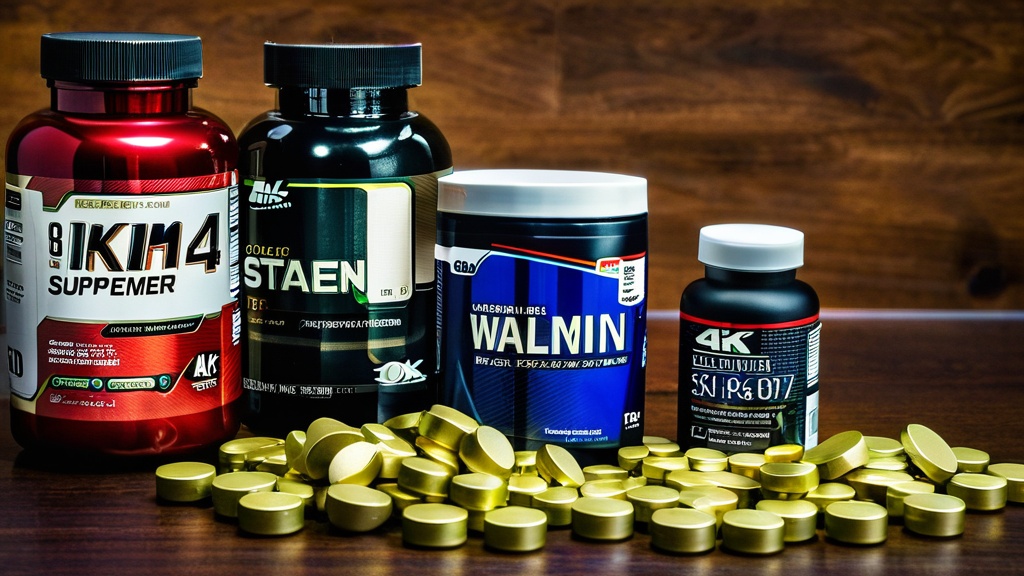
Many factors influence your decision. Your health goals are paramount. Lifestyle, budget, and existing conditions also play a role. Think of it as tailoring a suit.
Your Health Goals
What are you trying to achieve? Muscle gain, better sleep, or improved immunity? Clear goals guide your choice. Specific goals lead to specific solutions. This is your compass.
Existing Health Conditions
Certain conditions affect supplement choices. Diabetes, heart disease, and kidney issues require caution. Always consult a healthcare professional. They can advise on safe options (FDA, 2022). Your health history matters.
Medications
Supplements can interact with medications. St. John’s Wort can affect antidepressants (Mayo Clinic, 2023). Vitamin K can interfere with blood thinners (NIH, n.d.). Always inform your doctor about all supplements. This prevents harmful interactions.
Budget
Supplements can be expensive. Stacks often cost more. Factor this into your decision. Choose what you can afford consistently. Consistency is key for results.
Lifestyle and Diet
Your diet provides essential nutrients. A balanced diet might reduce supplement needs. An active lifestyle might require more specific support. Consider what your body already gets.
When a Stack Might Be Better
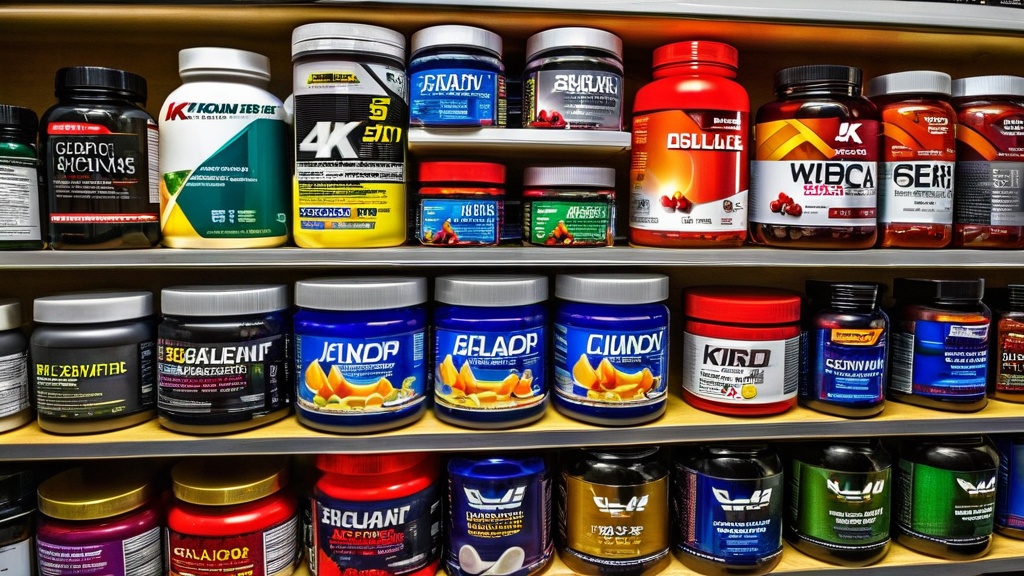
Some situations benefit more from stacks. These scenarios often involve complex goals. They require a multi-faceted approach. Think of a symphony orchestra.
Comprehensive Goals
If you have multiple linked goals, a stack can help. For example, improving athletic performance. This involves energy, recovery, and muscle growth. A stack can address all these simultaneously (Kreider et al., 2017).
Synergistic Effects
| Metric | Supplement Stack | Single Supplement |
|---|---|---|
| Effectiveness | Potentially higher due to synergistic effects | Targeted effect on a specific nutrient or function |
| Cost | Generally higher upfront cost | Lower cost per product |
| Convenience | One combined product, easier to manage | Multiple products may be needed for multiple benefits |
| Risk of Interactions | Higher risk due to multiple ingredients | Lower risk, simpler ingredient profile |
| Customization | Less customizable, fixed formula | Highly customizable, choose exactly what you need |
| Absorption | May enhance absorption of some nutrients | Absorption depends on individual supplement formulation |
| Side Effects | Potentially more side effects due to multiple ingredients | Side effects limited to single ingredient |
When supplements enhance each other, stacking is beneficial. As mentioned, Vitamin D and calcium work together. Likewise, magnesium supports Vitamin D activation (Uwitonze & Razzaque, 2018). These combinations are more effective.
Complex Deficiencies
Sometimes, multiple deficiencies exist. For instance, general malabsorption can cause several nutrient shortfalls. A targeted multivitamin or specific stack can help (Shils et al., 2006). This provides broader nutritional support.
Performance Enhancement
Athletes often use stacks for performance. Creatine, protein, and beta-alanine are common. They boost strength, endurance, and recovery (Kerksick et al., 2018). This specialized support is crucial for peak performance.
Anti-Aging and Longevity
The anti-aging field explores multiple compounds. Resveratrol, NMN, and berberine are examples. Research suggests they act via different pathways (Sinclair & LaPlante, 2019; Egan et al., 2021). A stack might target multiple aging mechanisms.
When considering the benefits of stack supplements versus single supplements, it’s essential to explore various perspectives on the topic. A related article that delves deeper into this subject can provide valuable insights into how different combinations of supplements can enhance performance and recovery. For more information, you can read about it in this informative piece on supplement strategies. Understanding the nuances between these approaches can help you make more informed decisions tailored to your fitness goals.
When a Single Supplement Might Be Better
In other cases, a single supplement is the optimal choice. These situations often involve precise needs. They require a targeted, direct approach. Imagine using a precision tool.
Specific Deficiencies
If you have a diagnosed deficiency, a single supplement is ideal. Iron for anemia, Vitamin B12 for pernicious anemia (NIH, n.d.). This direct treatment is highly effective. It addresses the root cause directly.
Simple Health Goals
For a straightforward goal, a single supplement suffices. For mild sleep issues, melatonin may help (Ferracioli-Oda et al., 2013). For seasonal allergies, Quercetin might provide relief (Mlcek et al., 2016). Keep it simple if your goal is simple.
Trial and Error
When trying a new supplement, start with one. This helps identify its effects. You can gauge its benefits or side effects. This method offers clarity and control. Add more only when you understand each component.
Minimizing Risk
Fewer ingredients mean fewer potential side effects. It also reduces interaction risk with medications. For those sensitive to supplements, this approach is safer. It lowers the complexity.
Budget Constraints
If your budget is tight, prioritize. Choose the single most impactful supplement. This ensures you get essential support without overspending. Smart choices keep you healthy and on budget.
When considering the benefits of stack supplements versus single supplements, it’s essential to explore various perspectives on the topic. A related article that delves deeper into the advantages and disadvantages of each option can provide valuable insights. For more information, you can read about it in this detailed analysis, which discusses how to choose the right supplement strategy based on individual fitness goals and nutritional needs.
Actionable Tips for Smart Supplementation
Making informed choices is key. Here are practical tips. These help you navigate the supplement world safely and effectively. Think of these as your navigation handbook.
Consult a Professional
Always talk to a doctor or registered dietitian. They can assess your needs. They can review your current health and medications. This is crucial for personalized advice (FDA, 2022). Do not skip this step.
Prioritize Whole Foods
Supplements support, not replace, a healthy diet. Focus on nutrient-dense whole foods first. Fruits, vegetables, lean proteins, and whole grains are foundational (USDA, n.d.). A strong foundation is essential for good health.
Research, Research, Research
Understand what each supplement does. Look for scientific evidence. Check reputable sources like NIH, Mayo Clinic, and academic journals. Be wary of exaggerated claims. Knowledge empowers you.
Start Low, Go Slow
Begin with lower doses. Gradually increase if needed and tolerated. This helps your body adjust. It also helps identify potential adverse reactions. Patience is a virtue here.
Monitor Your Body
Pay attention to how you feel. Track any changes, positive or negative. Keep a journal of supplements and effects. This helps you understand what works (FDA, 2022). Your body provides valuable feedback.
Choose Quality Brands
Look for third-party certifications. USP, NSF International, and ConsumerLab verify purity and potency. This ensures you get what the label promises. Quality matters for safety and effectiveness.
Understand the “Why”
Before taking any supplement, ask yourself why. What problem are you trying to solve? Is there a scientific basis for this supplement? Clear intent leads to better choices.
Consider Absorption
Some supplements have poor bioavailability. For example, some forms of magnesium are absorbed better than others (NIH, n.d.). Research the best forms for optimal absorption. This ensures you get the benefits.
Be Patient
Results from supplements are rarely immediate. It can take weeks or months to see effects. Give your body time to respond. Sustainable changes take time.
Conclusion
Both supplement stacks and single supplements have their place. Your choice depends on your goals, health, and research. Single supplements offer simplicity and targeted action. Stacks can provide comprehensive, synergistic benefits. Always prioritize safety and consult professionals. Make informed decisions for your well-being. Your health journey is unique.
References:
- Buford, T. W., Kreider, R. B., Stout, J. R., Greenwood, M., Campbell, B., Spano, M., … & Antonio, J. (2007). International Society of Sports Nutrition position stand: creatine supplementation and exercise. Journal of the International Society of Sports Nutrition, 4(1), 6.
- Egan, B., O’Neill, C., & Sinacore, J. R. (2021). The therapeutic potential of nicotinamide mononucleotide. Journal of Functional Foods, 85, 104652.
- FDA. (2022). Dietary Supplements: What You Need to Know. Retrieved from https://www.fda.gov/food/buy-store-serve-safe-food/dietary-supplements-what-you-need-know
- Ferracioli-Oda, E., Qawasmi, A., & Bloch, M. (2013). Meta-analysis: melatonin for the treatment of primary sleep disorders. PloS One, 8(5), e63773.
- Hemilä, H., & Chalker, E. (2013). Vitamin C for preventing and treating the common cold. Cochrane Database of Systematic Reviews, (1).
- Kerksick, C. M., Wilborn, C. D., Roberts, M. D., Smith-Ryan, A., Kleiner, S. M., Jäger, R., … & Kreider, R. B. (2018). ISSN exercise & sports nutrition review update: research & recommendations. Journal of the International Society of Sports Nutrition, 15(1), 38.
- Kreider, R. B., Kalman, D. S., Antonio, J., Ziegenfuss, T. N., Wildman, R., Collins, R., … & Lopez, H. L. (2017). International Society of Sports Nutrition position stand: safety and efficacy of creatine supplementation in exercise, sport, and medicine. Journal of the International Society of Sports Nutrition, 14(1), 18.
- Lonnerdal, B. (2010). Calcium and iron absorption-mechanisms and public health relevance. International Journal for Vitamin and Nutrition Research, 80(3), 200-209.
- Mayo Clinic. (2023). St. John’s wort. Retrieved from https://www.mayoclinic.org/drugs-supplements-st-johns-wort/art-20362283
- Mlcek, J., Jurikova, T., Skrovankova, S., & Sochor, J. (2016). Quercetin and its anti-allergic immune response. Molecules, 21(5), 623.
- National Institutes of Health (NIH). (n.d.). Office of Dietary Supplements. Retrieved from https://ods.od.nih.gov/
- Shils, M. E., Shike, M., Ross, A. C., Caballero, B., & Cousins, R. J. (Eds.). (2006). Modern Nutrition in Health and Disease. Lippincott Williams & Wilkins.
- Sinclair, D. A., & LaPlante, H. M. (2019). Lifespan: Why We Age—and Why We Don’t Have To. Atria Books.
- Singh, M., & Das, R. R. (2011). Zinc for the common cold. Cochrane Database of Systematic Reviews, (11).
- USDA. (n.d.). MyPlate. Retrieved from https://www.myplate.gov/
- Uwitonze, A. M., & Razzaque, M. S. (2018). Role of Magnesium in Vitamin D Activation and Function. The Journal of the American Osteopathic Association, 118(3), 193-199.
FAQs
What is the difference between a supplement stack and a single supplement?
A supplement stack refers to a combination of multiple supplements taken together to achieve a specific health or fitness goal, while a single supplement involves taking just one type of supplement at a time.
What are the potential benefits of using a supplement stack?
Supplement stacks can provide synergistic effects, where the combined ingredients work together to enhance overall effectiveness, potentially improving results such as muscle growth, energy, or recovery more than a single supplement alone.
Are there any risks associated with supplement stacks compared to single supplements?
Yes, supplement stacks may increase the risk of side effects or interactions between ingredients, especially if not properly researched or dosed. Single supplements generally have a simpler safety profile, but it is still important to use them responsibly.
How should someone decide between using a supplement stack or a single supplement?
The choice depends on individual goals, health status, and experience with supplements. Beginners may benefit from starting with a single supplement to assess tolerance, while more advanced users might consider stacks for targeted outcomes after consulting a healthcare professional.
Can supplement stacks be customized for different fitness or health goals?
Yes, supplement stacks can be tailored by selecting specific supplements that address particular needs such as fat loss, muscle gain, endurance, or cognitive support, allowing for a more personalized approach compared to using a single supplement.