Aging brings changes, but losing muscle doesn’t have to define your later years. Imagine your body as a well-tuned engine; with the right fuel, it can run strong for longer. This article explores key supplements that can help maintain and even build muscle as you age.
Our bodies naturally lose muscle mass with age. This process is sarcopenia. It typically begins in your 30s. Muscle loss accelerates after age 60.
This decline impacts daily life. Simple tasks become harder. You might notice less strength. Muscle weakness increases fall risk. Maintaining muscle is crucial for independence and quality of life.
The Mechanisms of Sarcopenia
Several factors contribute to sarcopenia. Hormone changes play a role. Testosterone and growth hormone decrease. These hormones support muscle growth.
Inflammation also contributes. Chronic, low-grade inflammation exists in aging. This hinders muscle repair. Oxidative stress damages muscle cells. These biochemical shifts impair muscle function.
Nerve signaling to muscles also declines. Fewer nerve signals mean less muscle activation. Muscle protein synthesis also becomes less efficient. Your body builds new muscle tissue more slowly.
For those interested in enhancing their understanding of supplements that may support aging muscle, a valuable resource can be found in the article on the Muscle Group’s website. This article provides insights into various supplements that can aid in muscle maintenance and growth as we age. To explore this topic further, you can read the article here: supplement stack for aging muscle.
Fueling Muscle Growth: Essential Proteins
Protein is the building block of muscle. As we age, our protein needs increase. Older adults need more protein to stimulate muscle growth. This is called anabolic resistance.
Dietary protein intake directly impacts muscle maintenance. Aim for high-quality protein sources. These include lean meats, fish, eggs, and dairy. Plant-based options like legumes and tofu are also excellent.
Whey Protein: A Rapid Anabolic Boost
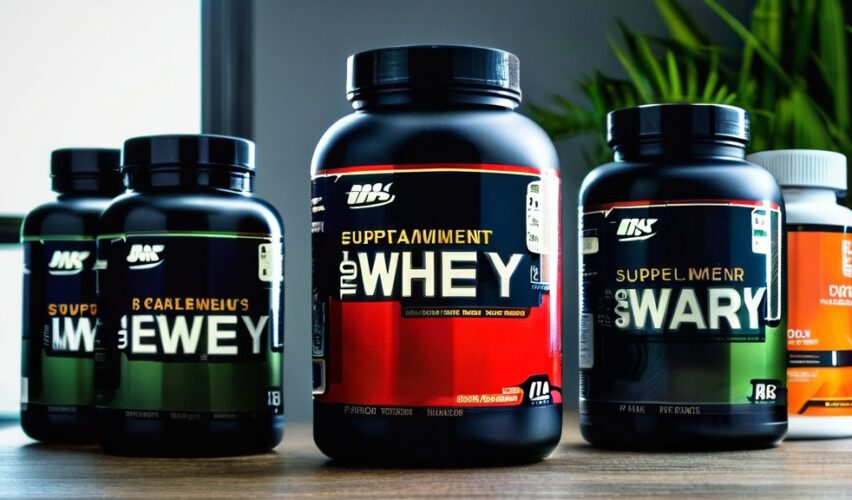
Whey protein is a dairy-derived protein. It’s quickly digested and absorbed. This rapid delivery of amino acids is beneficial. It stimulates muscle protein synthesis efficiently.
Studies show whey protein helps older adults. It improves muscle mass when combined with resistance exercise. Take it post-workout for best results. It’s also great between meals. A typical dose is 20-40 grams.
Casein Protein: Sustained Amino Acid Release
Casein is another dairy protein. Digestion is slower than whey. This provides a steady stream of amino acids. It supports muscle repair over longer periods. Many take it before bed.
Casein helps prevent muscle breakdown overnight. This creates an anti-catabolic effect. Pairing it with whey offers comprehensive support. Consider 20-30 grams before sleep.
Plant-Based Proteins: Diverse Amino Acid Profiles
For those avoiding dairy, plant proteins are vital. Soy, pea, and rice protein are popular choices. Pea protein is a great alternative. It has a good amino acid profile.
Combine different plant proteins for completeness. This ensures all essential amino acids are present. For example, brown rice and pea protein together. This mimics a complete protein. They are effective for muscle support.
Enhancing Muscle Function: Performance Enhancers
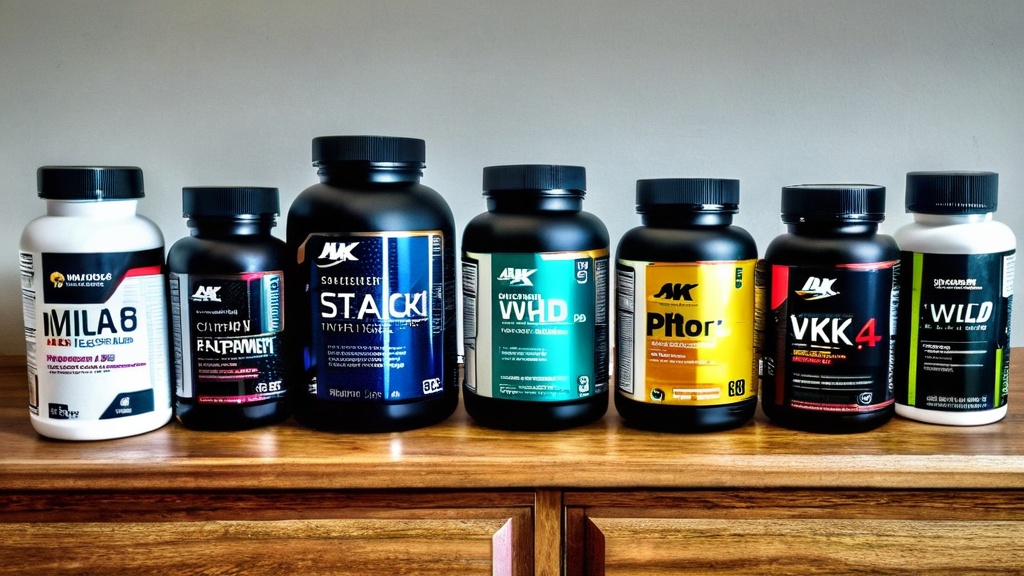
Beyond protein, other supplements can boost performance. They help you train harder. They also aid in recovery. These compounds improve muscle strength and power.
Think of these as optimizing your engine’s efficiency. They allow your muscles to perform their best. This translates to better workout results. Better results lead to more muscle growth.
Creatine Monohydrate: Powering Your Workouts
Creatine is one of the most studied supplements. It helps produce ATP, your body’s energy currency. More ATP means more power for short, intense bursts. This translates to lifting heavier weights.
Research consistently shows creatine’s benefits. It increases strength and muscle mass. Older adults also see improved functional strength. A common dose is 3-5 grams daily. Take it anytime. Consistency is key. You might notice water retention initially. This is normal.
Beta-Alanine: Buffering Muscle Fatigue
Beta-alanine helps reduce muscle fatigue. It increases carnosine levels in muscles. Carnosine buffers lactic acid. Lactic acid causes the burning sensation during exercise.
Less fatigue means more reps and sets. This allows for greater training volume. Greater volume stimulates more muscle growth. Studies support its role in improving endurance. Take 2-5 grams daily. Split doses to reduce tingling sensations.
Supporting Overall Muscle Health: Micronutrients and Beyond
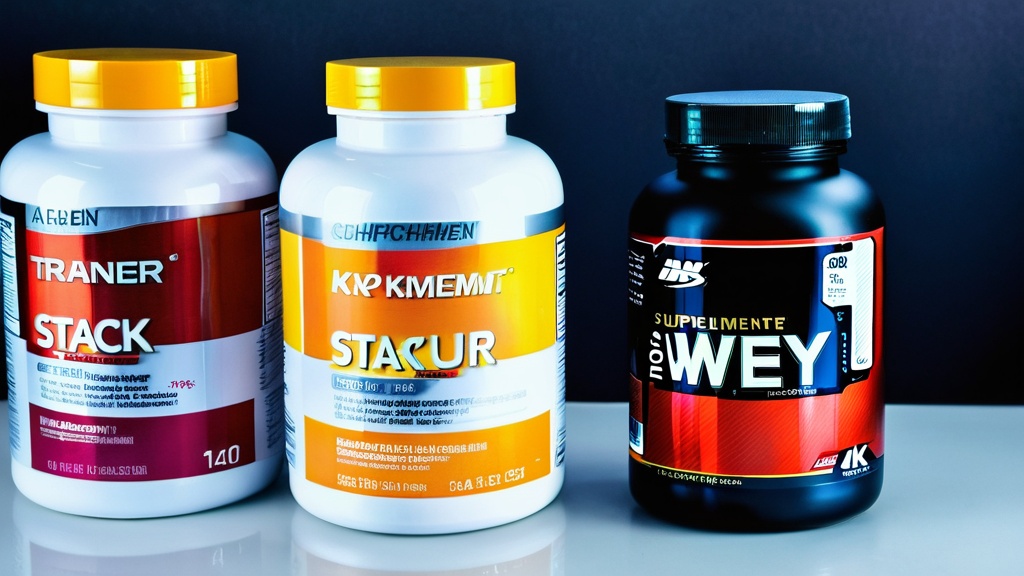
Muscle health goes beyond just protein and performance. Vitamins and minerals are vital cofactors. They are like the small but essential parts of an engine. Without them, the engine cannot run smoothly.
Omega-3 fatty acids also play a crucial role. They manage inflammation. They help with muscle repair processes. Maintaining overall health supports strong muscles.
Vitamin D: The Sunshine Vitamin for Muscles
Vitamin D is crucial for bone and muscle health. Many older adults are deficient. Low levels link to muscle weakness. It influences muscle protein synthesis.
Supplementing with vitamin D improves muscle function. It can reduce fall risk. Get your levels checked by a doctor. A common dose is 1000-4000 IU daily. Sunlight exposure is also important.
Magnesium: A Mineral for Muscle Contraction
Magnesium participates in over 300 bodily reactions. It is essential for muscle contraction and relaxation. It also supports energy production. Many people do not get enough magnesium.
Deficiency can lead to muscle cramps and weakness. Supplementing can improve muscle function. It also helps with sleep. Take 200-400 mg daily. Different forms exist, like citrate or glycinate. Choose one that suits you.
Omega-3 Fatty Acids: Combating Inflammation
Omega-3s are powerful anti-inflammatory agents. Chronic inflammation hinders muscle repair. It contributes to sarcopenia. Omega-3s can mitigate these negative effects.
Fish oil supplements provide EPA and DHA. These are the active forms of omega-3. They support muscle protein synthesis. They also improve muscle recovery. Aim for 1-3 grams of combined EPA/DHA daily. Get a high-quality, purity-tested product.
For those interested in enhancing their understanding of how to support aging muscle, a related article can provide valuable insights. This piece discusses various supplements that may help maintain muscle mass and strength as we age. You can explore more about these beneficial supplements in the article found here. By incorporating the right nutrients, individuals can potentially improve their overall muscle health and vitality.
Synergistic Strategies: Beyond Supplements
| Supplement | Dosage | Primary Benefit | Supporting Evidence | Notes |
|---|---|---|---|---|
| Creatine Monohydrate | 3-5 grams daily | Improves muscle strength and mass | Multiple studies show increased muscle phosphocreatine and strength in older adults | Best taken with carbohydrates for absorption |
| Protein (Whey or Plant-based) | 20-40 grams per serving | Supports muscle protein synthesis | Effective in counteracting sarcopenia when combined with resistance training | Distribute intake evenly throughout the day |
| Vitamin D3 | 1000-2000 IU daily | Enhances muscle function and reduces fall risk | Deficiency linked to muscle weakness in elderly | Check blood levels before supplementation |
| Omega-3 Fatty Acids (EPA/DHA) | 1-3 grams daily | Reduces inflammation and supports muscle protein synthesis | Shown to improve muscle mass and function in older adults | Preferably from fish oil or algae sources |
| HMB (Beta-Hydroxy Beta-Methylbutyrate) | 3 grams daily | Prevents muscle breakdown and promotes recovery | Studies indicate reduced muscle loss in aging populations | May be more effective combined with resistance training |
| Magnesium | 300-400 mg daily | Supports muscle contraction and energy production | Deficiency common in elderly, linked to muscle cramps and weakness | Take with food to improve absorption |
Supplements are not magic bullets; they are aids. Consider them tools in a larger toolkit. The real foundation is lifestyle. Exercise and diet remain paramount.
Think of it like building a house. Supplements are the specialized tools. Diet is the sturdy foundation. Exercise is the skilled craftsmanship. All components work together for best results.
Resistance Training: The Undisputed King
Resistance training is non-negotiable for muscle health. Lifting weights stimulates muscle growth. It builds strength and preserves bone density. Start with bodyweight exercises. Gradually increase resistance.
Aim for 2-3 sessions per week. Focus on major muscle groups. Work with a qualified trainer if new to resistance training. Proper form prevents injury. Stay consistent for lasting results.
Adequate Calorie Intake: Fueling Growth
You cannot build muscle in a calorie deficit. Ensure you eat enough food. Your body needs energy for repair and growth. Focus on nutrient-dense foods.
Don’t fear a slight calorie surplus. This provides building blocks. Listen to your body’s hunger cues. Prioritize whole, unprocessed foods.
Practical Implementation: Your Supplement Stack
Integrating supplements systematically reaps rewards. It’s not about taking everything at once. It’s about a strategic, informed approach. Start slow and monitor your body.
Consult your doctor before beginning any new supplement regimen. This is especially important if you have existing health conditions. They can advise on potential interactions. Tailor your stack to your individual needs.
Morning Routine: Kickstart Muscle Anabolism
Begin your day with beneficial nutrients. A protein shake can be quick and effective. Consider adding creatine to your morning beverage.
- Whey or Plant Protein: 20-40g after waking or workout.
- Creatine Monohydrate: 3-5g mixed with water or a shake.
- Vitamin D: 1000-4000 IU with a meal containing fat.
This sets your body up for muscle support. It provides amino acids early. It keeps creatine levels optimal.
Midday Boost: Sustaining Energy and Health
Some supplements are best taken with meals. Magnesium and omega-3s are often better absorbed this way. They can reduce potential digestive upset too.
- Magnesium: 200-400mg with lunch or dinner.
- Omega-3 Fatty Acids: 1-3g combined EPA/DHA with a meal.
- Beta-Alanine: 2-5g, split doses throughout the day (e.g., with lunch and dinner).
Spacing out doses maintains consistent nutrient levels. It prevents saturation of absorption pathways.
Evening Support: Nighttime Repair and Recovery
Nighttime is when your body repairs itself. Providing slow-digesting protein is beneficial. This sustains amino acid delivery during sleep.
- Casein Protein: 20-30g before bed.
- Magnesium (if not taken earlier): 200-400mg before bed can also aid sleep.
This reduces muscle breakdown overnight. It supports continuous recovery. You wake up more ready for the next day.
Safety and Considerations: Individualized Approach
Supplements are not without risks. Always prioritize safety. Do your research from reputable sources. Do not exceed recommended dosages.
Remember, supplements enhance, they do not replace. A balanced diet and regular exercise are foundational. Evaluate how you feel. Adjust dosages or types as needed.
Consult a Healthcare Professional
Before starting any new supplement, talk to your doctor. They understand your medical history. They can identify potential interactions with medications. This step ensures your safety.
Your doctor can also help assess deficiencies. They might recommend specific tests. This personalized advice is invaluable. Do not self-diagnose or self-treat.
Source Quality Matters
The supplement industry is not uniformly regulated. Choose reputable brands. Look for third-party certifications. These ensure purity and potency.
Certifications like NSF Certified for Sport or Informed-Sport are excellent. They confirm products are free from banned substances. They verify label claims. Avoid cheap, unverified products.
Listen to Your Body
Pay attention to how you feel. Do you experience any digestive issues? Are there unexpected side effects? Your body provides valuable feedback.
If a supplement causes discomfort, stop taking it. Consult your doctor or a registered dietitian. They can help adjust your regimen. What works for one person may not work for another.
Long-term Commitment: A Lifestyle Change
Optimizing aging muscle isn’t a short-term fix. It’s a journey. It requires consistent effort and patience. The benefits accumulate over time.
Think of it as tending a garden. You plant seeds (supplements, exercise, diet). You nurture them consistently. Over time, the garden flourishes. Your muscle health will too.
Embrace resistance training as a lifelong habit. Prioritize whole, nutrient-dense foods. Use supplements strategically and safely. This holistic approach empowers you. It helps you maintain strength and vitality. You can enjoy an active and independent life. Your efforts now will pay dividends in your later years.
FAQs
What is a supplement stack for aging muscle?
A supplement stack for aging muscle is a combination of dietary supplements designed to support muscle health, strength, and recovery in older adults. These stacks often include ingredients that promote muscle protein synthesis, reduce inflammation, and improve overall muscle function.
Which supplements are commonly included in a stack for aging muscle?
Common supplements in an aging muscle stack include protein powders (such as whey or plant-based proteins), creatine, branched-chain amino acids (BCAAs), vitamin D, omega-3 fatty acids, and sometimes compounds like collagen or HMB (beta-hydroxy beta-methylbutyrate).
How do supplements help counteract muscle loss due to aging?
Supplements can help counteract age-related muscle loss (sarcopenia) by providing essential nutrients that support muscle repair and growth, enhancing muscle protein synthesis, reducing inflammation, and improving energy metabolism, which collectively help maintain muscle mass and strength.
Are there any risks associated with taking a supplement stack for aging muscle?
While many supplements are generally safe when taken as directed, risks can include potential interactions with medications, allergic reactions, or side effects from excessive dosages. It is important for individuals, especially older adults, to consult healthcare professionals before starting any supplement regimen.
Can exercise enhance the effectiveness of a supplement stack for aging muscle?
Yes, combining resistance training or strength exercises with a supplement stack is more effective for maintaining and building muscle mass in aging individuals. Exercise stimulates muscle growth and, when paired with proper nutrition and supplementation, can significantly improve muscle health.