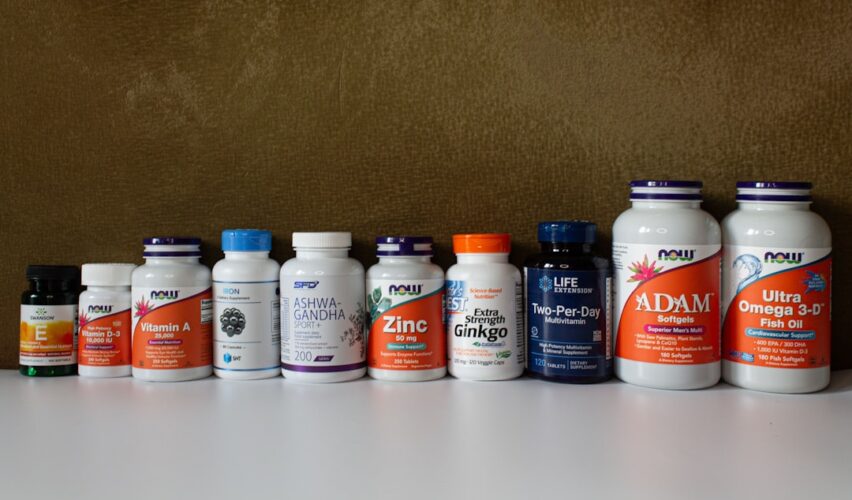
Unlocking your full fitness potential takes more than just diet and exercise. Imagine a secret weapon tailored just for you. This article explores personalized supplement stacks. We’ll show you how to optimize your health and performance.
A personalized supplement stack isn’t a magic pill. It’s a strategic approach. You choose supplements based on your unique needs. These needs include your goals, diet, and health status.
Think of it like a custom-built car. You wouldn’t put diesel in a gasoline engine. Similarly, you shouldn’t take supplements without a reason. A tailored approach is key.
What Makes a Stack “Personalized”?
Personalization goes beyond common recommendations. It starts with self-assessment. What are your specific fitness goals? Are you building muscle, losing weight, or improving endurance?
Consider your current diet. Are there any nutrient gaps? For example, vegans might need B12. Athletes might need more magnesium. Your lifestyle also plays a role. Stress levels can impact nutrient needs.
Why Not Just Take Everything?
Blindly taking supplements can be ineffective. Some supplements can even interact negatively. Others might not offer any benefit for you. More isn’t always better. Focus on what truly helps you. This saves money and protects your health.
For instance, taking excess Vitamin C does not boost immunity further. Your body simply excretes the extra. A targeted approach is smarter.
If you’re interested in optimizing your health and wellness through tailored nutrition, you might find the article on personalized supplement stacks particularly insightful. It explores how individualized supplement regimens can enhance performance and overall well-being. For more information, you can read the article here: Personalized Supplement Stack.
Identifying Your Fitness Goals and Nutritional Gaps
Before any supplement, define your goals. Are you aiming for strength gains? Perhaps better recovery post-workout? Maybe increased energy for daily tasks?
Once your goals are clear, assess your diet. Keep a food diary for a week. This reveals your eating patterns. A registered dietitian can also help. They identify potential nutrient deficiencies.
Goal: Muscle Growth and Strength
For muscle growth, protein intake is crucial. Aim for adequate protein from food first. Consider creatine for strength. It’s one of the most researched supplements. Creatine monohydrate is highly effective. (Buford et al., 2007)
Branch Chain Amino Acids (BCAAs) are less essential. If protein intake is high, BCAAs often offer little extra benefit. (Frank, K. et al., 2019)
Goal: Endurance and Performance
Endurance athletes might benefit from different supplements. Beta-alanine can improve high-intensity performance. It buffers acid in muscles. (Trexler et al., 2015)
Caffeine is another performance enhancer. It reduces perceived effort. Use it strategically before workouts. Start with small doses to assess tolerance. (Goldstein et al., 2010)
Goal: Weight Management
For weight management, focus on diet and exercise. Supplements play a minor role. Protein can help with satiety. This reduces overall calorie intake. (Paddon-Jones et D. Rasmussen, 2009)
Fiber supplements can also promote fullness. Glucomannan is an example. Consult a healthcare professional before use.
Goal: Overall Health and Recovery
General health supports all fitness goals. Omega-3 fatty acids reduce inflammation. They support heart and brain health. (Simopoulos, 2002)
Vitamin D is vital for bone health. It also impacts immune function. Many people are deficient. Blood tests can confirm levels. Consider magnesium for muscle function. It aids in recovery. (Volpe, 2013)
Essential Supplements for Most Active Individuals
Some supplements offer broad benefits. They can form a base for many stacks. Always consider individual needs.
Protein Powder for Muscle Support
Protein is vital for repair and growth. Whey protein is fast-digesting. Casein protein is slow-digesting. Pea or soy protein are plant-based options.
When to use it? After workouts is common. You can also use it between meals. This ensures adequate protein intake. (American College of Sports Medicine, 2009)
Creatine Monohydrate for Strength and Power
Creatine provides quick energy for muscles. It improves strength performance. Take 3-5 grams daily. It’s safe for most healthy adults. (International Society of Sports Nutrition, 2017)
Creatine aids short, burst activities. Think weightlifting or sprints. It does not directly build muscle mass. It helps you train harder.
Omega-3 Fatty Acids for Inflammation and Heart Health
Omega-3s are essential fats. They reduce exercise-induced inflammation. They support cardiovascular health. Look for EPA and DHA content.
Fish oil is a common source. Algal oil is a vegan alternative. Aim for 250-500mg combined EPA/DHA daily. (Kris-Etherton et al., 2002)
Vitamin D for Bone Health and Immunity
Vitamin D deficiency is common. It impacts bone density. It also supports immune system function. Sunlight is the primary source.
During winter, supplementation may be needed. Have your levels checked. Optimal levels range between 30-60 ng/mL. (Holick, 2007)
Multivitamin/Mineral for Nutritional Insurance
A good multivitamin fills small gaps. It’s not a substitute for whole foods. It acts as an insurance policy. Choose a reputable brand.
Avoid megadoses of individual vitamins. Excess can be harmful. A balanced multivitamin is safer.
Advanced & Specialized Supplements

Once your foundation is solid, explore further. These are for specific needs or advanced goals. Research these thoroughly.
Beta-Alanine for High-Intensity Performance
Beta-alanine boosts muscle carnosine levels. Carnosine buffers lactic acid. This delays muscle fatigue. You can push harder for longer.
It causes a tingling sensation. This “paresthesia” is harmless. Start with smaller doses to adjust. (International Society of Sports Nutrition, 2015)
Caffeine for Energy and Focus
Caffeine stimulates the central nervous system. It improves alertnes and performance. It can also reduce perceived exertion. Drink coffee or use caffeine pills.
Timing is important. Take it 30-60 minutes before exercise. Avoid it too close to bedtime. This can disrupt sleep. (Guest et al., 2021)
Citrulline Malate for Blood Flow and Pumps
Citrulline malate enhances nitric oxide production. This improves blood flow. It can enhance muscle pumps during workouts. It may also reduce muscle soreness. (Pérez-Guisado & Jakeman, 2010)
Typical doses are 6-8 grams. Take it before exercise. It is generally well-tolerated.
Ashwagandha for Stress Management
| Supplement | Dosage | Frequency |
|---|---|---|
| Protein Powder | 25g | Once daily |
| Multivitamin | 1 tablet | Once daily |
| Fish Oil | 1000mg | Twice daily |
| Probiotics | 10 billion CFU | Once daily |
Ashwagandha is an adaptogen. It helps the body manage stress. High stress can impair recovery. It might also impact performance. (Chandrasekhar et al., 2012)
It can improve sleep quality. It may also reduce cortisol levels. This can indirectly support fitness goals.
If you’re interested in optimizing your health and wellness through tailored nutrition, you might find the concept of a personalized supplement stack intriguing. This approach allows individuals to customize their vitamin and mineral intake based on their unique needs and lifestyle. For more insights on how to effectively create your own supplement regimen, check out this informative article on the benefits of personalized nutrition. You can read it here: personalized nutrition.
Building Your Personalized Stack: A Step-by-Step Guide
Creating your stack involves careful consideration. Don’t rush the process. Think of it as a scientific experiment.
Step 1: Define Your Clear, Specific Goals
What do you want to achieve? “Get fit” is too general. “Gain 5 lbs of muscle” is specific. “Run a faster 5k” is measurable. Clear goals guide your choices.
Write them down. Review them regularly. This keeps you focused.
Step 2: Assess Your Current Diet and Lifestyle
Track your food intake for a week. Use an app or a notebook. Identify any nutrient gaps. Are you eating enough protein? Enough vegetables?
Consider your sleep patterns. Are you getting 7-9 hours? How stressed are you? These factors affect recovery.
Step 3: Consult a Healthcare Professional
This is crucial. Before taking any supplement, talk to your doctor. Especially if you have existing health conditions. They can advise on interactions.
They can also interpret blood test results. This helps pinpoint deficiencies. Don’t self-diagnose.
Step 4: Research Potential Supplements
Once you have identified needs, research. Look for evidence-based supplements. Prioritize those with strong scientific backing. Use reputable sources.
Examine dosage recommendations. Understand potential side effects. Read reviews from trusted sources.
Step 5: Start with the Basics
Don’t overwhelm your body. Begin with essential supplements first. Protein, creatine, omega-3s, and Vitamin D are good starts. Introduce one new supplement at a time.
Wait a few weeks to assess effects. This helps you identify what works. It prevents adverse reactions from multiple new ingredients.
Step 6: Monitor and Adjust
Once you begin, pay attention. How do you feel? Are you seeing results? Are you experiencing any side effects? Track your progress.
Adjust your stack as needed. Your goals may change. Your body’s needs can evolve. Regular re-evaluation is key.
If you’re interested in optimizing your health through tailored nutrition, you might find the concept of a personalized supplement stack intriguing. This approach allows individuals to select supplements that align with their specific health goals and lifestyle needs. For a deeper understanding of how to effectively implement this strategy, check out this insightful article on personalized supplement stacks. It provides valuable information on how to choose the right supplements and the benefits they can offer.
Safety and Best Practices for Supplement Use
Supplements can be a powerful tool. But they require responsible use. Prioritize your health and safety.
Always Choose Reputable Brands
The supplement industry lacks strict regulation. Choose brands with third-party testing. Look for certifications like NSF Certified for Sport. These ensure product purity and potency.
Avoid proprietary blends if possible. They don’t disclose ingredient amounts. This makes accurate dosing impossible.
Follow Recommended Dosages
More is not always better. Exceeding recommended doses can be harmful. It can lead to toxicity. Stick to the label instructions.
If unsure, consult a professional. Never guess your dosage.
Be Aware of Potential Interactions
Supplements can interact with medications. Some can interact with other supplements. Always inform your doctor about everything you take. This includes vitamins and herbal remedies.
For example, high-dose Vitamin E can thin blood. This could be risky with blood thinners. (National Institutes of Health, 2021)
Listen to Your Body
Pay attention to how you feel. Any unusual symptoms warrant attention. Discontinue a supplement if you experience adverse effects. Consult your doctor immediately.
Your body provides valuable feedback. Don’t ignore it.
Understand They are Supplementary, Not Substitutes
Supplements enhance a good diet and exercise plan. They do not replace them. Whole, nutritious foods are the foundation. Consistent training is non-negotiable.
Supplements are the icing on the cake. They don’t make the cake.
Conclusion
Building a personalized supplement stack empowers you. It helps optimize your fitness journey. It’s a journey of self-discovery. Understand your needs. Consult experts. Choose wisely. Achieve your best self.
Remember, consistency beats intensity. Combine smart supplementation with a healthy lifestyle. This holistic approach yields the best results. Good luck on your fitness adventure!
References:
American College of Sports Medicine. (2009). Nutrition and Athletic Performance. Medicine & Science in Sports & Exercise, 41(3), 709-731.
Buford, T. W., Kreider, R. B., Stout, J. R., Greenwood, M., Campbell, B., Spano, M., … & Antonio, J. (2007). International Society of Sports Nutrition position stand: creatine supplementation and exercise. Journal of the International Society of Sports Nutrition, 4(1), 6.
Chandrasekhar, K., Kapoor, J., & Anishetty, S. (2012). A prospective, randomized double-blind, placebo-controlled study of safety and efficacy of a high-concentration full-spectrum extract of Ashwagandha root in reducing stress and anxiety in adults. Indian Journal of Psychological Medicine, 34(3), 255-262.
Frank, K., Patel, K., Lopez, G., & Dautriche, J. (2019). Branched-Chain Amino Acids (BCAAs). Examine.com.
Goldstein, E. R., Ziegenfuss, T., Kalman, G., Stafford, R., Wildman, R., Antonio, J., … & Kreider, R. B. (2010). International Society of Sports Nutrition position stand: caffeine and performance. Journal of the International Society of Sports Nutrition, 7(1), 5.
Guest, N. S., VanDusseldorp, T. A., Nelson, M. T., Grgic, J., Schoenfeld, B. J., Jenkins, N. D. M., … & Antonio, J. (2021). International Society of Sports Nutrition Position Stand: caffeine and exercise performance. Journal of the International Society of Sports Nutrition, 18(1), 1.
Holick, M. F. (2007). Vitamin D deficiency. New England Journal of Medicine, 357(3), 266-281.
International Society of Sports Nutrition. (2015). International Society of Sports Nutrition position stand: Beta-Alanine. Journal of the International Society of Sports Nutrition, 12(1), 30.
International Society of Sports Nutrition. (2017). International Society of Sports Nutrition position stand: safety and efficacy of creatine supplementation in exercise, sport, and medicine. Journal of the International Society of Sports Nutrition, 14(1), 18.
Kris-Etherton, P. M., Harris, W. S., & Appel, L. J. (2002). Fish Consumption, Fish Oil, Omega-3 Fatty Acids, and Cardiovascular Disease. Circulation, 106(21), 2747-2757.
National Institutes of Health. (2021). Vitamin E Fact Sheet for Health Professionals. Retrieved from https://ods.od.nih.gov/factsheets/VitaminE-HealthProfessional/
Paddon-Jones, D., & Rasmussen, B. B. (2009). Dietary protein recommendations and the prevention of sarcopenia. Current Opinion in Clinical Nutrition & Metabolic Care, 12(1), 86-91.
Pérez-Guisado, J., & Jakeman, P. M. (2010). Citrulline Malate Enhances Athletic Anaerobic Performance and Relieves Muscle Soreness. Journal of Strength and Conditioning Research, 24(5), 1215–1222.
Simopoulos, A. P. (2002). The importance of the ratio of omega-6/omega-3 essential fatty acids. Biomedicine & Pharmacotherapy, 56(8), 365-379.
Trexler, E. T., Smith-Ryan, A. E., Stout, J. R., Hoffman, J. R., Schipani, C. C., Wingfield, R. E., … & Antonio, J. (2015). International society of sports nutrition position stand: Beta-Alanine. Journal of the International Society of Sports Nutrition, 12(1), 30.
Volpe, S. L. (2013). Magnesium and the Athlete. Current Sports Medicine Reports, 12(6), 390-394.
FAQs
What is a personalized supplement stack?
A personalized supplement stack is a combination of dietary supplements tailored to an individual’s specific health and fitness goals, as well as their unique nutritional needs.
How is a personalized supplement stack created?
A personalized supplement stack is typically created by a healthcare professional or a certified nutritionist who takes into account an individual’s medical history, current health status, dietary habits, and fitness goals.
What are the benefits of a personalized supplement stack?
The benefits of a personalized supplement stack include targeted support for specific health and fitness goals, optimized nutrient intake, and potential improvements in overall well-being and performance.
Are there any potential risks or drawbacks to using a personalized supplement stack?
While personalized supplement stacks can offer tailored support, there is a risk of over-supplementation and potential interactions between different supplements. It’s important to consult with a healthcare professional before starting a new supplement regimen.
How can I get a personalized supplement stack for myself?
To get a personalized supplement stack, individuals can consult with a healthcare professional, such as a doctor, registered dietitian, or certified nutritionist, who can assess their specific needs and create a customized supplement plan.