Tossing and turning at night? Waking up feeling groggy instead of great? You’re not alone. Millions struggle for restful sleep. But what if unlocking better sleep and faster recovery was simpler than you think? We’re exploring powerful supplements that can help.
Quality sleep is not a luxury. It is crucial for your body’s repair processes. During sleep, your cells rebuild. Your muscles recover from daily stress. Your brain consolidates memories. Without enough sleep, these vital functions suffer. This can impact your energy and overall well-being.
The Science of Sleep Stages
Sleep cycles through different stages. This includes light sleep, deep sleep, and REM sleep. Deep sleep is particularly important. It is when your body does most of its healing. It also releases growth hormone. Sufficient deep sleep boosts physical and mental restoration.
Why Poor Sleep Hurts Recovery
When you don’t sleep well, your body struggles. You may feel fatigued easily. Your muscles might ache longer. Your focus can decline. Chronic sleep deprivation increases inflammation. It can also weaken your immune system. This makes you more susceptible to illness.
For those interested in optimizing their sleep and recovery, a comprehensive supplement stack can play a crucial role. A related article that delves into the benefits of various sleep aids and recovery supplements can be found at The Muscle Group. This resource provides insights into how specific ingredients can enhance your rest and overall recovery process, making it a valuable read for anyone looking to improve their performance and well-being.
Magnesium: The Relaxation Mineral
Magnesium plays a key role in many bodily functions. It helps regulate muscle and nerve function. It also aids in sleep regulation. Many people do not get enough magnesium daily. This deficiency can affect sleep quality.
Magnesium and Sleep Quality
Studies suggest magnesium can improve sleep. It helps calm the nervous system. This promotes relaxation before bed. Magnesium may also help regulate melatonin. Melatonin is a hormone that signals sleep. Some research indicates it can reduce insomnia symptoms.
Choosing the Right Magnesium
Different forms of magnesium exist. Magnesium glycinate is often recommended for sleep. It absorbs well and is less likely to cause digestive upset. Magnesium L-threonate is another option. It may cross the blood-brain barrier more easily, potentially impacting brain health.
Supplementing Wisely
Consider your daily diet. Leafy greens and nuts offer magnesium. If you supplement, start with a low dose. This helps your body adjust. Always discuss new supplements with a doctor.
Creatine: Fueling Muscle Repair and Brain Function
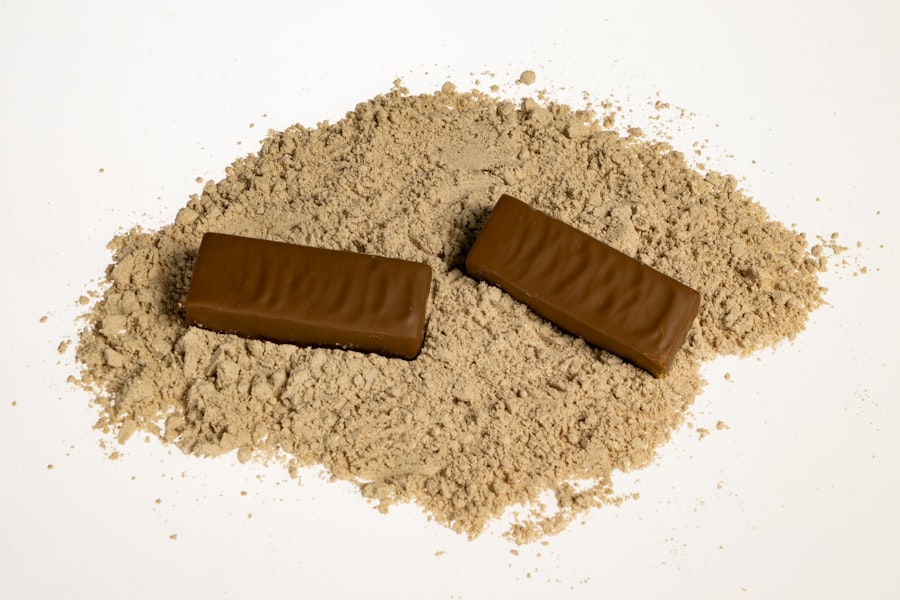
Creatine is well-known among athletes. It helps muscle cells produce energy. This leads to better performance in high-intensity exercise. But its benefits extend beyond the gym. Creatine also supports brain health and recovery.
Creatine’s Role in Muscle Recovery
After exercise, muscles need repair. Creatine helps replenish energy stores. This speeds up the recovery process. It can reduce muscle soreness and fatigue. Athletes often use it to bounce back faster.
Beyond Muscles: Brain Benefits
Your brain uses a lot of energy. Creatine can supply this energy. Studies show it may improve cognitive function. This includes memory and thinking. It could also protect brain cells. This is particularly relevant for recovery after injury.
Recommended Creatine Intake
Creatine monohydrate is the most studied form. A common protocol involves a loading phase. This means taking a higher dose for a short time. Then, you switch to a maintenance dose. Following product instructions is important.
Melatonin: The Sleep Hormone
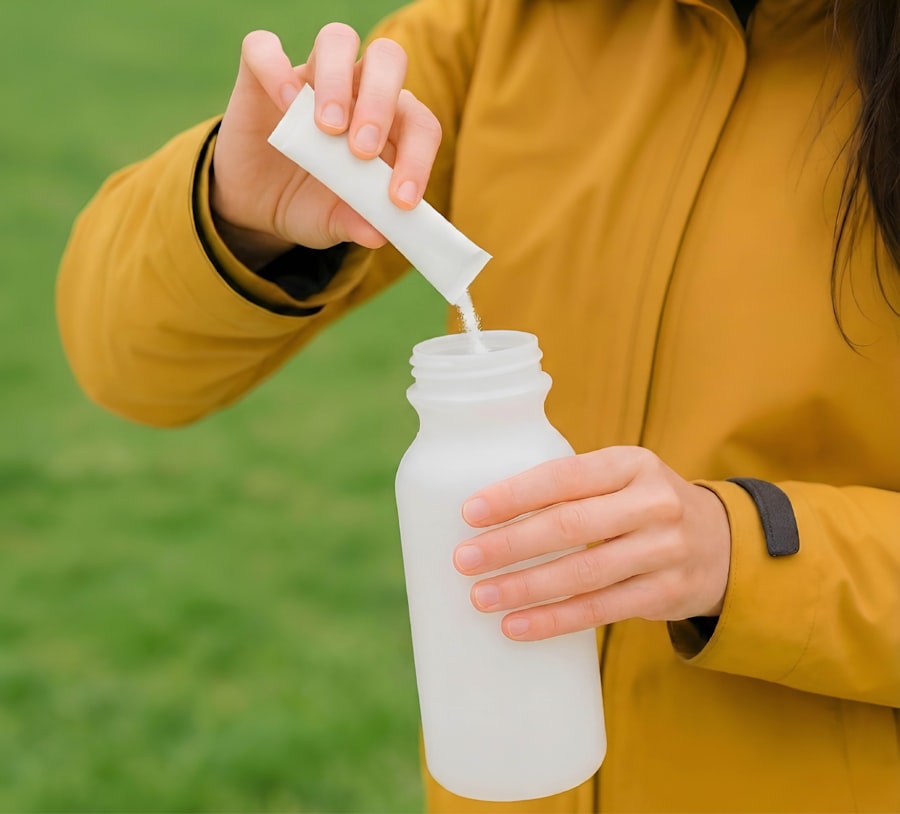
Melatonin is a natural hormone. Your body produces it in response to darkness. It helps tell your body it is time to sleep. Our modern lifestyles can disrupt its production. Bright lights, especially from screens, interfere.
Melatonin and Circadian Rhythms
Melatonin helps regulate your body clock. This is your internal sleep-wake cycle. Taking melatonin can help reset this clock. This is useful for jet lag. It can also help shift workers adjust their sleep.
How Much Melatonin?
Dosages vary. Many people find success with low doses. Around 1-3 milligrams is common. It is best taken shortly before bed. Avoid high doses. They may not be more effective. They can also cause side effects for some.
When to Consider Melatonin
Melatonin is not suitable for everyone. Consult a healthcare provider. They can advise on its appropriate use. It’s a tool to support natural sleep. It isn’t a long-term sleep solution.
For those interested in enhancing their sleep quality and recovery, exploring a well-researched supplement stack can be beneficial. A related article that delves into the science behind sleep and recovery supplements can be found at The Muscle Group. This resource provides valuable insights into how specific ingredients can support better sleep patterns and overall recovery, making it a great read for anyone looking to optimize their health and performance.
L-Theanine: Calm Focus for Sleep
| Supplement | Benefits | Recommended Dosage |
|---|---|---|
| Magnesium | Improves sleep quality, relaxes muscles | 200-400mg before bed |
| Melatonin | Regulates sleep-wake cycle, aids in falling asleep | 0.5-5mg before bed |
| L-Theanine | Promotes relaxation, reduces stress | 100-200mg before bed |
| Glycine | Improves sleep quality, reduces time to fall asleep | 3-5g before bed |
L-theanine is an amino acid. You find it in green tea. It promotes relaxation without drowsiness. This makes it a unique supplement. It can help you unwind before bed.
L-Theanine and Stress Reduction
This amino acid can cross the blood-brain barrier. There, it influences brain waves. It increases alpha waves. These are associated with a relaxed state. It can reduce feelings of stress and anxiety. This is helpful for winding down.
Combining L-Theanine with Sleep Goals
By reducing stress, L-theanine prepares you for sleep. It promotes a calmer mind. This can make falling asleep easier. You may experience more restful sleep. It complements other sleep aids well.
Safe Usage Guidelines
L-theanine is generally considered safe. Standard doses are often between 100-200 milligrams. Taking it about 30-60 minutes before sleep is effective. It is often combined with melatonin. This offers enhanced sleep support.
When considering the best approach to enhance sleep and recovery, many individuals are turning to supplement stacks designed specifically for these purposes. A related article that delves into the science behind effective sleep aids and recovery supplements can provide valuable insights into optimizing your routine. For more information, you can check out this informative piece on sleep and recovery supplements here. By understanding the right combinations of ingredients, you can significantly improve your overall well-being and performance.
Valerian Root: A Natural Sleep Aid
Valerian root is a herb. It has a long history of use. People have used it for sleep issues. It is believed to have calming properties. It may help you fall asleep faster.
Valerian Root’s Mechanism
The exact way valerian works is not fully understood. Scientists believe it affects GABA. Gamma-aminobutyric acid (GABA) is a neurotransmitter. It helps inhibit nerve activity. This can promote relaxation and sleep.
Experiencing Valerian Root’s Effects
Some people notice benefits quickly. Others require consistent use. Its smell can be strong. This is normal for valerian root. It is usually taken in capsule or tea form.
Important Considerations
Valerian root might interact with other medications. Always talk to your doctor. They will help you understand if it is right for you. It is best used short-term for sleep support.
Optimizing Your Supplement Stack for Sleep and Recovery
Creating a personal “stack” involves careful planning. It is not about taking everything. It is about choosing what works for you. Research each supplement. Understand its purpose and potential benefits.
Individual Needs and Goals
Everyone’s body is different. What helps one person might not help another. Consider your specific sleep challenges. Are you struggling to fall asleep? Do you wake up frequently? Your goals will guide your choices.
Starting Slow and Observing
Begin with one new supplement at a time. This helps you identify what is effective. It also makes it easier to spot any side effects. Give each supplement a week or two. See how you feel.
Creating Synergy
Some supplements work well together. Magnesium and L-theanine can complement each other. They both promote relaxation. Melatonin can be combined with these. This may provide a strong sleep support system. Always consider potential interactions.
Consulting a Healthcare Professional
This is the most crucial step. Your doctor can assess your health. They can review current medications. They will help you create a safe and effective plan. This advice is not a substitute for professional medical guidance. A healthcare provider tailors recommendations to your unique situation.
Lifestyle Factors Remain Key
Supplements are tools. They support, not replace, healthy habits. Prioritize a consistent sleep schedule. Create a relaxing bedtime routine. Limit screen time before bed. Ensure your bedroom is dark and cool. Good nutrition and regular exercise also play huge roles in recovery and sleep. Your overall lifestyle is the foundation. Supplements build upon this strong base.
FAQs
What is a sleep and recovery supplement stack?
A sleep and recovery supplement stack is a combination of supplements designed to support and enhance the body’s natural sleep and recovery processes. These supplements typically include ingredients such as melatonin, magnesium, valerian root, and other herbs and nutrients that promote relaxation and restful sleep.
What are the benefits of using a sleep and recovery supplement stack?
Using a sleep and recovery supplement stack can help improve the quality of sleep, promote relaxation, reduce stress and anxiety, and support the body’s natural recovery processes. These supplements can also help reduce the time it takes to fall asleep and improve overall sleep duration and quality.
Are there any potential side effects of using a sleep and recovery supplement stack?
While most sleep and recovery supplements are generally safe for use, some individuals may experience side effects such as drowsiness, grogginess, or digestive discomfort. It’s important to consult with a healthcare professional before starting any new supplement regimen, especially if you have any underlying health conditions or are taking medications.
How should a sleep and recovery supplement stack be used?
Sleep and recovery supplement stacks should be used according to the manufacturer’s instructions. Typically, these supplements are taken in the evening, about 30-60 minutes before bedtime. It’s important to follow the recommended dosage and not exceed the recommended daily intake unless otherwise directed by a healthcare professional.
Who can benefit from using a sleep and recovery supplement stack?
Anyone who struggles with sleep issues, stress, or recovery from physical activity can potentially benefit from using a sleep and recovery supplement stack. However, it’s important to consult with a healthcare professional to determine if these supplements are appropriate for your individual needs and health status.