Imagine powering up hills with ease. Picture shedding minutes from your favorite routes. This isn’t just a dream; it’s achievable with smart nutrition. Certain supplements can help. They support your body’s natural processes. Let’s explore how they boost your cycling.
Efficient energy production is key. Your muscles need fuel to perform. Carbohydrates provide this energy. They are stored as glycogen. Glycogen depletion leads to fatigue. Think of it like a car running out of gas.
Carbohydrate Loading
This strategy boosts glycogen stores. Cyclists consume more carbs before an event. It’s a well-established practice. Studies show it increases endurance. For example, a cyclist might increase pasta intake.
Intra-Ride Fueling
Don’t wait until you’re empty. Replenish carbs during long rides. Energy gels and drinks work well. They offer quick fuel. This prevents your energy levels from crashing. Imagine small, consistent snacks keeping you going.
For those interested in optimizing their cycling performance, a well-researched supplement stack can make a significant difference. A related article that delves into the best supplements for cyclists can be found at The Muscle Group. This resource provides insights into how various supplements can enhance endurance, recovery, and overall athletic performance, making it a valuable read for both amateur and professional cyclists alike.
Powering Muscle Strength and Recovery
Muscle power is crucial for cycling. Stronger muscles mean better acceleration. Recovery speeds up your return to form. These factors impact your overall performance.
Creatine Monohydrate
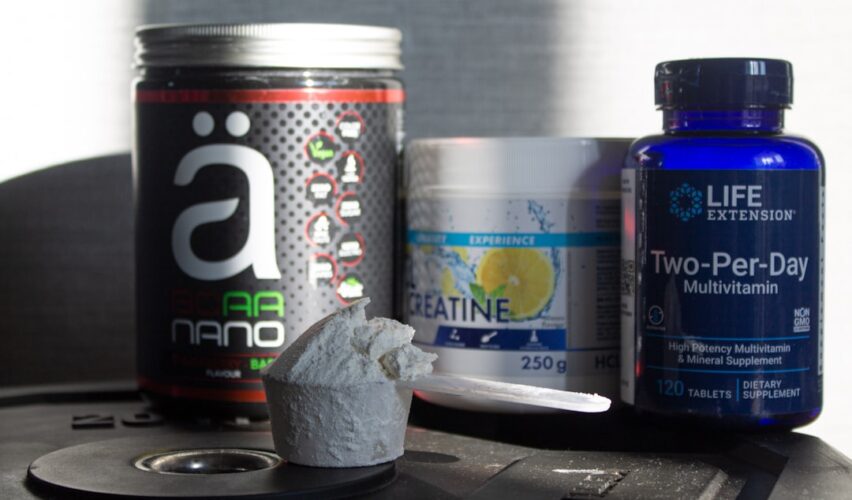
Creatine helps produce ATP. ATP is your body’s energy currency. It can improve short bursts of power. This benefits sprinters and climbers. Many studies support its safety.
- Mechanism: Creatine increases phosphocreatine stores. This system recharges ATP quickly.
- Dosage: A common approach is a loading phase. Then, a maintenance dose follows. Consult a sports dietitian for personalized advice.
Protein Intake
Protein builds and repairs muscle tissue. Adequate protein is essential for recovery. It helps muscles adapt to training. You can get protein from food. Supplements offer a convenient option.
- Sources: Whey protein and casein are popular. Plant-based options also exist.
- Timing: Consuming protein after exercise aids recovery.
Enhancing Endurance and Stamina

Lasting longer on the bike is vital. Stamina lets you maintain pace. Certain nutrients directly impact this. They help your body work more efficiently.
Beta-Alanine
This amino acid increases carnosine levels. Carnosine buffers acidity in muscles. It delays the burning sensation during intense efforts. This can extend your high-intensity performance. Think of it as a shock absorber for your muscles.
- Sensation: Some people experience a tingling sensation. This is harmless.
- Benefits: It’s most effective for efforts lasting one to four minutes.
Caffeine
Caffeine is a well-known stimulant. It reduces perceived exertion. This means hard efforts feel easier. It also improves alertness and focus. Many athletes use it before races.
- Dosage: Start with a low dose. Find what works for you. Too much can cause jitters.
- Sources: Coffee, tea, and energy chews provide caffeine.
Boosting Hydration and Electrolyte Balance
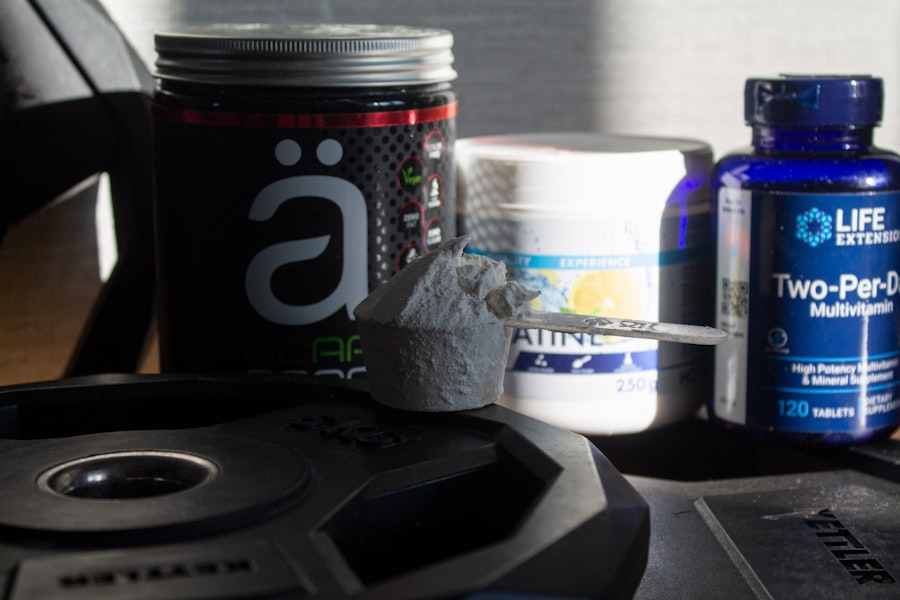
Water is life, especially for athletes. Dehydration drains performance. Electrolytes are vital minerals. They help maintain fluid balance. They also support nerve and muscle function.
Sodium
Sodium is lost through sweat. It’s crucial for fluid retention. Low sodium can lead to cramping. Many sports drinks contain sodium. Salty snacks can also help.
- Importance: Essential for maintaining blood volume.
- Replenishment: Especially important in hot weather.
Potassium
Potassium also plays a key role. It helps regulate fluid balance. It works alongside sodium. Bananas are a good source of potassium.
- Function: Supports muscle contractions.
- Deficiency: Can lead to muscle weakness.
Magnesium
Magnesium is involved in many bodily processes. It aids muscle and nerve function. It helps regulate energy metabolism. Many people don’t get enough. Leafy greens are a good source.
- Role: Crucial for energy production.
- Supplementation: Magnesium supplements are widely available.
For those looking to enhance their cycling performance, exploring a well-researched cycling supplement stack can be beneficial. A recent article on The Muscle Group delves into the most effective supplements that can support endurance and recovery, making it a valuable resource for cyclists aiming to improve their training regimen. By incorporating the right combination of nutrients, athletes can optimize their performance and achieve their fitness goals more efficiently.
The Role of Antioxidants and Inflammation Control
| Supplement | Benefits | Recommended Dosage |
|---|---|---|
| Whey Protein | Muscle recovery and growth | 20-30g post workout |
| Creatine | Improved strength and power | 5g daily |
| Branched-Chain Amino Acids (BCAAs) | Reduced muscle fatigue and improved endurance | 5-10g pre and post workout |
| Glutamine | Supports immune function and muscle recovery | 5g post workout |
Intense cycling creates oxidative stress. This can damage cells. Antioxidants combat these damaging molecules. They also help manage inflammation. This aids recovery.
Vitamin C
Vitamin C is a powerful antioxidant. It supports immune function. It also plays a role in collagen synthesis. This is important for connective tissues. Citrus fruits are a prime source.
- Protection: Shields cells from damage.
- Recovery: May aid post-exercise recovery.
Vitamin D
Vitamin D is essential for bone health. It also supports muscle function. Many people are deficient. Sunlight is a primary source. Fatty fish and fortified foods contribute.
- Bone Strength: Crucial for preventing fractures.
- Muscle Function: Involved in muscle protein synthesis.
Omega-3 Fatty Acids
Omega-3s have anti-inflammatory properties. They may reduce exercise-induced inflammation. This can speed up recovery. Fatty fish like salmon are rich in omega-3s.
- Benefits: May reduce muscle soreness.
- Sources: Fish oil and flaxseed oil are supplements.
Building Your Personal Supplement Stack
Choosing the right supplements is personal. Consider your training goals. Think about your diet. What works for one cyclist may not for another. Always prioritize whole foods.
Setting Your Foundation: Diet First
Supplements complement a good diet. They don’t replace it. Focus on nutrient-dense foods. This forms the bedrock of your performance. A balanced plate fuels your body.
Identifying Gaps and Needs
Assess your current intake. Are you meeting your nutritional needs? A sports dietitian can help. They analyze your diet. They identify areas for improvement.
Gradual Introduction and Monitoring
Don’t start everything at once. Introduce new supplements slowly. This allows your body to adapt. Monitor how you feel. Track your performance metrics.
Consulting Professionals
Always talk to a doctor. Discuss any new supplements. Especially if you have underlying health conditions. A registered dietitian can tailor advice. They are experts in nutrition.
Hydration Strategies
Water is non-negotiable. Drink consistently throughout the day. Increase intake before, during, and after rides. Electrolyte drinks can be useful. This supports optimal hydration.
Carbohydrate Timing
Fueling before a ride is important. It tops up your glycogen stores. During long rides, refuel every hour. This maintains energy levels. After rides, replenish carbs and protein. This aids muscle repair.
Protein for Recovery
Aim for protein after your ride. This helps rebuild muscle tissue. A protein shake is quick. Other sources include yogurt or eggs. Consistency is more important than timing alone.
Creatine Usage
Creatine monohydrate is well-researched. It enhances power output. Load for a week, then take maintenance doses. Some choose to take it daily. It’s generally safe.
Beta-Alanine for Stamina
Beta-alanine helps buffer muscle acid. It benefits longer, intense efforts. It can take weeks to see full effects. Expect a tingling sensation. This is normal.
Caffeine for a Boost
Caffeine improves alertness and reduces fatigue. Use it strategically before key workouts or races. Find your optimal dose. Too much can cause anxiety. It’s a powerful tool.
Omega-3s for Inflammation
Omega-3 fatty acids support recovery. They reduce inflammation. Include fatty fish in your diet. Supplements are an option. They complement an anti-inflammatory diet.
Vitamin and Mineral Support
A multivitamin can fill minor gaps. Focus on vitamins D and E. Ensure adequate magnesium intake. These support overall bodily functions. This helps your cycling performance.
Pre-Ride Preparation
Hydrate well before your ride. Consume easily digestible carbs. A balanced breakfast is ideal. This sets you up for success. Avoid heavy or spicy foods.
During-Ride Nutrition
Carry fuel for rides over 60 minutes. Energy bars, gels, or fruit work. Sip water or electrolyte drinks. Listen to your body’s hunger cues. Small, frequent intakes are best.
Post-Ride Recovery
Rehydrate immediately after your ride. Consume a mix of carbs and protein. This speeds up glycogen replenishment. It also aids muscle repair. Aim for this within 30-60 minutes.
Sleep: The Ultimate Recovery Tool
Supplements can’t replace good sleep. Aim for 7-9 hours per night. Sleep is when your body repairs. It consolidates learning. Prioritize rest and recovery. This is critical for progress.
Listening to Your Body
Your body sends signals. Learn to recognize them. Fatigue, soreness, and hunger are important. Adjust your training and nutrition accordingly. Supplements are aids, not magic bullets.
Long-Term Strategy
Consistency is key for performance gains. Build sustainable habits. Incorporate supplements thoughtfully. Focus on overall health and well-being. This leads to lasting improvements.
FAQs
What is a cycling supplement stack?
A cycling supplement stack refers to a combination of supplements that are taken in a specific cycle to support the needs of cyclists during training and competition.
What are the common supplements included in a cycling supplement stack?
Common supplements included in a cycling supplement stack may include protein powder, branched-chain amino acids (BCAAs), creatine, beta-alanine, caffeine, and electrolyte replacements.
How can a cycling supplement stack benefit cyclists?
A cycling supplement stack can benefit cyclists by providing essential nutrients to support muscle recovery, endurance, energy levels, and overall performance during training and competition.
Are there any potential risks or side effects associated with using a cycling supplement stack?
While many supplements included in a cycling supplement stack are generally safe when used as directed, it’s important to be aware of potential risks and side effects. It’s recommended to consult with a healthcare professional before starting any new supplement regimen.
How should a cycling supplement stack be used?
A cycling supplement stack should be used according to the specific needs and goals of the individual cyclist, as well as the recommendations provided by the supplement manufacturer. It’s important to follow dosage instructions and cycle the supplements as directed for optimal results.