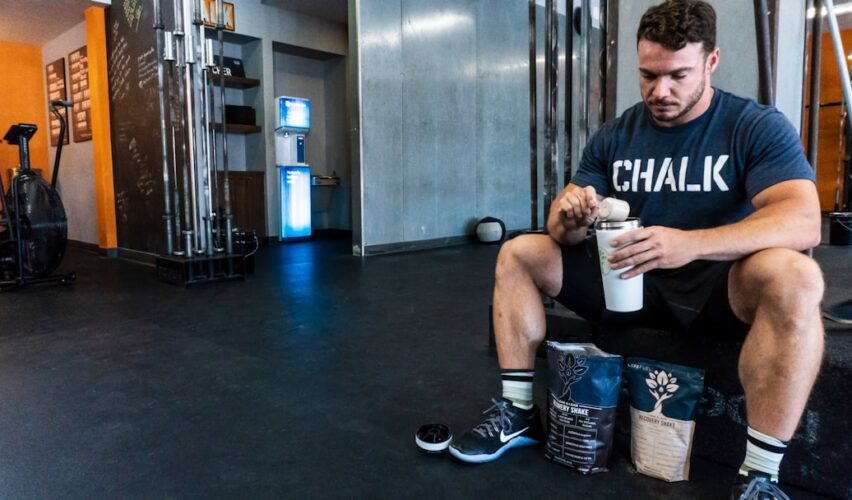
Do you want to build stronger muscles? Many people hit the gym but miss a key component. Proper protein intake fuels muscle growth. Let’s explore how much protein you need.
Protein is essential for muscle repair. Your body constantly breaks down and rebuilds muscle tissue. Protein provides the building blocks for this process. It helps you recover faster after exercise. Without enough protein, your muscles won’t grow efficiently.
What is Protein?
Protein consists of amino acids. These are vital organic compounds. They link together like beads on a string. Different combinations form diverse proteins. Think of it like building with LEGO bricks. Each protein has a specific purpose.
Why Do Muscles Need Protein?
During exercise, muscle fibers experience tiny tears. This is a normal part of training. Protein helps repair these tears. It also aids in creating new muscle tissue. This process is called muscle protein synthesis (MPS). MPS is crucial for muscle growth.
Understanding Protein Absorption
Your body can only use so much protein at once. Eating a massive amount in one sitting isn’t effective. It’s better to spread your intake throughout the day. This optimizes absorption and utilization. Imagine a sponge. It can only hold so much water at a time.
The Myth of Too Much Protein at Once
Many believe there’s a strict protein absorption limit. Research suggests this limit is flexible. Studies by Aragon and Schoenfeld (2013) show benefits from larger doses. However, consistent intake is still key. Your body uses what it needs when it needs it.
How Protein is Digested
Protein digestion starts in your stomach. Enzymes break it down into amino acids. These amino acids then travel to your small intestine. Your body absorbs them there. They then enter your bloodstream. From there, they reach your muscles. This process takes time.
Optimal Protein Distribution Throughout the Day

Spreading protein intake is vital. Aim for protein at every main meal. Include it in your snacks too. This ensures a steady supply of amino acids. Your muscles will have what they need for growth. Think of it like watering a plant consistently.
The Anabolic Window
The “anabolic window” refers to a short period post-workout. Many believe protein intake is critical then. While important, it’s not as rigid as once thought. A study by Schoenfeld et al. (2013) found the window is wider. Focus on total daily protein intake.
Pre- and Post-Workout Protein
Consuming protein before and after workouts is beneficial. Pre-workout protein can reduce muscle damage. Post-workout protein kickstarts recovery and MPS. For example, have a Greek yogurt before your gym session. Afterward, enjoy a chicken breast.
How Much Protein Per Meal?
The ideal protein per meal varies. It depends on your body weight and goals. For muscle building, aim for 0.4-0.55 grams of protein per kilogram of body weight per meal. So, a 70kg person might aim for 28-38.5 grams. This equates to 20-30 grams for most individuals. This range promotes maximal MPS, according to a review by Schoenfeld and Aragon (2018).
Meeting Your Daily Protein Target
Divide your total daily protein goal by your meals. If you aim for 150g protein and eat five times, that’s 30g per meal. This consistency fuels muscle growth. For a 200-pound person, this might be around 160-220 grams per day. Let’s say you’re trying to hit 180 grams. If you eat 4 meals a day, that’s 45 grams per meal. If you eat 5 meals, it’s 36 grams per meal.
Examples of Protein-Rich Meals (30g+ Protein)
- Breakfast: Three scrambled eggs with a slice of whole-wheat toast. Add a cup of cottage cheese. That’s about 30-35g.
- Lunch: A large chicken breast salad. Include mixed greens and a light vinaigrette. This can provide 40-50g.
- Dinner: A serving of salmon with roasted vegetables. A 6-ounce salmon fillet offers around 34g.
- Snack: A protein shake with milk. This can easily provide 20-30g. Or a cup of plain Greek yogurt with berries. This offers about 20-25g.
- Snack: A can of tuna with whole-wheat crackers. Tuna is a great source, providing over 20g per can.
Choosing Quality Protein Sources
| Meal | Protein (g) |
|---|---|
| Breakfast | 20g |
| Snack | 10g |
| Lunch | 25g |
| Pre-workout | 15g |
| Post-workout | 30g |
| Dinner | 30g |
Not all protein is created equal. Prioritize whole, unprocessed sources. These provide a complete array of amino acids. They also offer other vital nutrients. Look for complete proteins. These contain all nine essential amino acids. Your body cannot produce these.
Complete vs. Incomplete Proteins
- Complete Proteins: Meat, eggs, fish, dairy, soy products. These are excellent muscle builders.
- Incomplete Proteins: Most plant-based foods (beans, nuts, grains). Combine them for completeness. For example, rice and beans together form a complete protein.
Top Animal Protein Sources
- Lean Meats: Chicken breast, turkey, lean beef. These are rich in protein and low in fat.
- Fish: Salmon, tuna, cod. Salmon provides beneficial omega-3 fatty acids.
- Eggs: A perfect protein source. Each egg contains about 6 grams of protein.
- Dairy: Greek yogurt, cottage cheese, milk. These also provide calcium.
Top Plant Protein Sources
- Legumes: Lentils, chickpeas, black beans. Versatile and fiber-rich.
- Tofu and Tempeh: Soy-based products. Excellent for vegetarians and vegans.
- Quinoa: A complete protein grain. Great as a rice alternative.
- Nuts and Seeds: Almonds, chia seeds, flax seeds. Good for snacks or toppings.
Practical Tips for Consistent Protein Intake
Making consistent protein intake a habit is key. Plan your meals in advance. Prep protein sources for the week. This saves time and effort during busy days. Keep protein-rich snacks handy.
Meal Prepping for Protein
Dedicate time each week for meal prep. Cook a large batch of chicken breast. Portion it out for future meals. Hard-boil eggs for quick snacks. Soak lentils overnight for easy cooking. This ensures you always have protein available.
Smart Snacking Choices
Choose snacks that pack a protein punch. Instead of chips, grab a handful of almonds. Have a small container of Greek yogurt. Keep a protein bar in your bag. These small choices add up. They help you meet your daily goals.
Hydration and Protein Digestion
Drink plenty of water. It aids in protein digestion and absorption. Water is essential for all bodily functions. Aim for at least 8 glasses daily. This helps keep your digestive system running smoothly.
Special Considerations: Age, Activity, and Goals
Protein needs are not one-size-fits-all. Your age, activity level, and specific goals matter. Athletes need more protein. Older adults also benefit from higher intake. Adjust your strategy accordingly.
Protein Needs for Athletes and Active Individuals
Athletes breakdown more muscle during intense training. They need more protein for repair and growth. Aim for the higher end of the recommended range. Some studies suggest up to 2.2 grams per kilogram of body weight (Phillips & Van Loon, 2011).
Protein for Older Adults
As we age, muscle mass naturally declines. This is called sarcopenia. Higher protein intake can help counteract this. Older adults may need more protein per meal. This helps stimulate MPS. Research from Bauersachs et al. (2019) supports this.
Protein for Weight Loss
Protein is beneficial for weight loss. It increases satiety. You feel fuller for longer. This reduces overall calorie intake. Protein also helps preserve muscle mass during weight loss. This maintains your metabolism.
Listen to Your Body and Seek Professional Guidance
These guidelines offer a general framework. Everyone is unique. Pay attention to how your body responds. Adjust your intake as needed. If you have specific health concerns, consult a doctor. A registered dietitian can provide personalized advice. They can help tailor a plan just for you. This article provides general information, not medical advice. Always consult a healthcare professional.
FAQs
What is the recommended amount of protein per meal for muscle building?
The recommended amount of protein per meal for muscle building is approximately 20-30 grams. This amount has been shown to maximize muscle protein synthesis.
What are some good sources of protein for muscle building?
Good sources of protein for muscle building include lean meats such as chicken, turkey, and fish, as well as dairy products like Greek yogurt and cottage cheese. Plant-based sources such as tofu, lentils, and quinoa are also excellent options.
Is it important to evenly distribute protein intake throughout the day?
Yes, it is important to evenly distribute protein intake throughout the day to support muscle protein synthesis. Consuming a balanced amount of protein at each meal can help optimize muscle growth and repair.
Can consuming too much protein in one meal be detrimental to muscle building?
Consuming too much protein in one meal is not necessarily detrimental to muscle building, but the body can only utilize a certain amount of protein at a time for muscle protein synthesis. It is more beneficial to evenly distribute protein intake throughout the day.
Should protein be consumed before or after a workout for muscle building?
Consuming protein both before and after a workout can be beneficial for muscle building. Consuming protein before a workout can help provide the necessary amino acids for muscle repair and growth, while consuming protein after a workout can help replenish glycogen stores and support muscle recovery.