
Building muscle takes dedication. Many wonder about the best diet. Carbs often fuel this debate. We explore high-carb versus low-carb for muscle growth.
Carbohydrates are your body’s primary energy source. They convert into glucose. Glucose powers your muscles during exercise. This is especially true for intense activity.
Glycogen Stores and Performance
Your body stores glucose as glycogen. Glycogen resides in your muscles and liver. Full glycogen stores enhance workout performance. They help you lift more and train longer. A study in the Journal of Applied Physiology showed high carb intake improves sprint performance.
Imagine running a marathon. You need fuel throughout. Carbs provide that sustained energy. Low energy means less effective training sessions.
Carbohydrates and Muscle Protein Synthesis
Carbs indirectly support muscle growth. They help spare protein from being used for energy. This frees up protein for muscle repair. Research in Nutrients highlights carbs’ role in recovery.
Think of it like building a house. You need bricks (protein) and masons (energy). If masons are busy carrying bricks for fuel, less building happens. Carbs provide the energy allowing masons to focus on building.
The High Carb Approach: Powering Growth
A high-carb diet emphasizes significant carbohydrate intake. This strategy aims to maximize glycogen stores. It supports high-volume training. Many athletes favor this approach.
Benefits of High Carb for Muscle Gain
High carbs provide consistent energy. This allows for rigorous workouts. They aid in faster recovery between sessions. This means you can train harder, more often. A review in Sports Medicine discusses the benefits for strength athletes.
Consider a weightlifter. They need bursts of power. High carbs provide that immediate fuel. They also prevent early fatigue.
Potential Drawbacks of High Carb
Excessive carb intake can lead to fat gain. This happens if you consume more energy than you burn. Choose complex carbohydrates wisely. Monitor your overall calorie intake.
If you eat too many sweets, they turn to fat. Complex carbs like oats are better. They provide sustained energy.
The Low Carb Approach: Fat Adaptation and Muscle Building

A low-carb diet restricts carbohydrate intake. It forces your body to burn fat for fuel. This state is called ketosis. Some find it effective for muscle gain.
Benefits of Low Carb for Muscle Gain
Low-carb diets can aid fat loss. Reducing body fat can reveal muscle definition. Some report stable energy levels. This prevents energy crashes. A study in the Journal of the American College of Nutrition examined ketogenic diets.
Imagine wanting to see your abs. You might need to lose some fat first. Low carb can help with this.
Potential Drawbacks of Low Carb
Initial low-carb adaptation can be challenging. You might experience fatigue or “keto flu.” Performance might dip temporarily. Sustaining intense workouts can be difficult. Sports Medicine also notes potential performance decreases.
Starting a low-carb diet can feel tough initially. You might feel sluggish. It requires patience to adapt.
Protein and Fat: Essential Partners in Muscle Growth
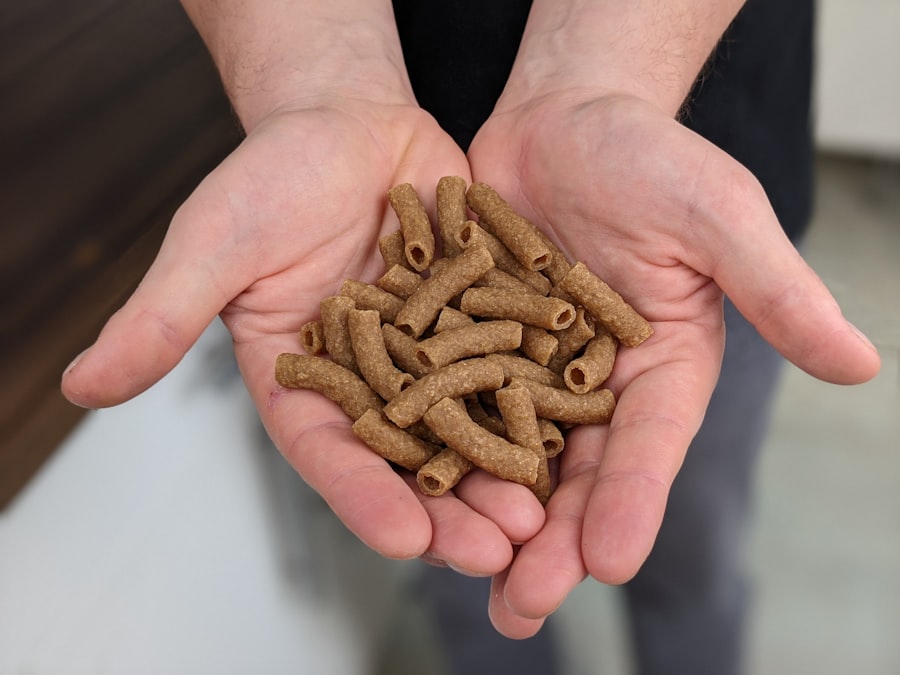
Regardless of carb intake, protein is crucial. Protein provides the building blocks for muscle. Healthy fats support hormone production. Both are vital for effective muscle gain.
The Importance of Adequate Protein
Aim for 1.6-2.2 grams of protein per kilogram of body weight. Distribute protein intake throughout the day. This optimizes muscle protein synthesis. Research in the British Journal of Sports Medicine recommends high protein for athletes.
Think of protein as the bricks for your muscles. You need new bricks constantly. Spreading them out helps the builders (your body) use them efficiently.
Healthy Fats for Hormone Balance
Fats are essential for hormone production. Hormones like testosterone aid muscle growth. Include sources like avocados, nuts, and olive oil. The Journal of the International Society of Sports Nutrition emphasizes healthy fats.
Hormones are like the blueprint for muscle growth. Good fats help keep that blueprint accurate. Without them, the building process might falter.
Personalizing Your Approach: Finding What Works for You
| Metric | High Carb | Low Carb |
|---|---|---|
| Protein intake | Higher | Lower |
| Insulin levels | Higher | Lower |
| Energy levels | Stable | Fluctuating |
| Muscle glycogen | Higher | Lower |
| Lean muscle gain | Effective | Effective |
No single diet suits everyone. Your activity level, body type, and preferences matter. Experiment to discover your optimal strategy. Listen to your body’s signals.
Assessing Your Training Demands
High-intensity training often benefits from more carbs. Endurance athletes need ample fuel. Less active individuals might do well with fewer carbs. Adjust your diet to match your energy expenditure.
Think about your daily routine. Are you lifting heavy weights? Or are you doing light cardio? Your fuel needs will differ.
Monitoring Progress and Adjusting
Track your workouts and how you feel. Are you recovering well? Are you gaining strength? Adjust your carb intake based on your results. Keep a food diary for a few weeks. This provides valuable insights.
If your lifts are stalling, consider more carbs. If you gain too much non-muscle weight, try reducing them. Data helps you make informed choices.
Actionable Tips for Sustainable Muscle Gain
Prioritize whole, unprocessed foods. Choose complex carbs over simple sugars. Include lean protein at every meal. Opt for healthy fats. Stay hydrated by drinking enough water.
Example: Instead of white bread, choose whole grain. Instead of candy, grab an apple. These small changes add up.
Focus on a consistent calorie surplus. This means eating slightly more than you burn. This provides energy for muscle creation. Aim for a modest surplus of 250-500 calories.
Imagine building a taller wall. You need more bricks than the current wall. A slight calorie surplus gives your body the necessary resources.
Get adequate sleep. Muscle repair and growth occur during rest. Aim for 7-9 hours per night. Sleep is not optional for progress.
Your body builds muscle while you sleep. Think of it as the construction crew working overnight. Without enough sleep, the crew is tired.
Consider strategic carb timing. Consuming carbs around workouts can be beneficial. They replenish glycogen stores. They also aid post-workout recovery.
Having carbs before a workout gives you immediate energy. Eating them after helps your muscles recover faster. It’s like refueling a car.
Seek professional guidance if unsure. A registered dietitian can offer personalized advice. Consult your doctor before major dietary changes. They ensure your chosen path is safe.
A professional can help tailor a plan. They provide expertise for your unique needs. This ensures safety and effectiveness.
Ultimately, consistency is key. Stick to your chosen plan. Muscle growth is a marathon, not a sprint. Celebrate small victories along the way.
FAQs
1. What is the difference between high carb and low carb diets for muscle gain?
High carb diets typically provide a larger amount of carbohydrates, which are the body’s primary source of energy. Low carb diets, on the other hand, restrict the intake of carbohydrates and rely more on protein and fat for energy.
2. Which diet is better for muscle gain, high carb or low carb?
Both high carb and low carb diets can support muscle gain, but the effectiveness may vary depending on individual factors such as metabolism, activity level, and overall diet quality. Some studies suggest that high carb diets may be more beneficial for endurance and high-intensity exercise, while low carb diets may be more effective for weight loss and reducing body fat.
3. What are the potential benefits of a high carb diet for muscle gain?
High carb diets can provide a readily available source of energy for intense workouts and muscle recovery. Carbohydrates also stimulate the release of insulin, which can help shuttle nutrients into muscle cells for growth and repair.
4. What are the potential benefits of a low carb diet for muscle gain?
Low carb diets may promote fat loss and improve insulin sensitivity, which can lead to better muscle definition. Some individuals may also experience improved energy levels and reduced inflammation on a low carb diet, which can support overall muscle health.
5. Are there any potential drawbacks to high carb or low carb diets for muscle gain?
High carb diets may lead to fluctuations in blood sugar levels and potential insulin resistance if not balanced with adequate protein and healthy fats. On the other hand, low carb diets may result in decreased glycogen stores, which can impact performance during high-intensity workouts. It’s important to consider individual needs and preferences when choosing a diet for muscle gain.