
Feeling sore after a tough workout? You’re not alone. That post-exercise ache is a common experience. But what if there was a way to bounce back faster? Antioxidants might be your secret weapon.
Understanding Exercise-Induced Stress
Intense exercise stresses your body. It creates tiny tears in muscle fibers. This is a normal part of muscle growth. Your body then repairs and strengthens these muscles.
This process also generates free radicals. Free radicals are unstable molecules. They can damage cells and tissues. This damage contributes to muscle soreness.
The Role of Oxidative Stress
Free radicals cause oxidative stress. Oxidative stress is an imbalance. Antioxidants neutralize free radicals. Without enough antioxidants, damage can occur.
Oxidative stress delays muscle recovery. It can also increase inflammation. This perpetuates the cycle of soreness. Minimizing oxidative stress helps you recover.
Antioxidants to the Rescue
How Antioxidants Work
Antioxidants are protective compounds. They donate electrons to free radicals. This stabilizes the free radicals. They no longer cause damage.
Your body produces some antioxidants. You also get them from food. A diet rich in antioxidants is key. It helps your body fight oxidative stress.
Common Antioxidant Powerhouses
Many foods contain powerful antioxidants. Vitamin C is a well-known example. Berries, citrus, and leafy greens are good sources. Vitamin E is another important one. Nuts, seeds, and oils provide Vitamin E.
Beta-carotene gives orange and red fruits their color. Carrots, sweet potatoes, and mangoes are rich in it. Selenium is a trace mineral. Brazil nuts and seafood contain selenium.
Dietary Strategies for Enhanced Recovery

Incorporating Antioxidant-Rich Fruits
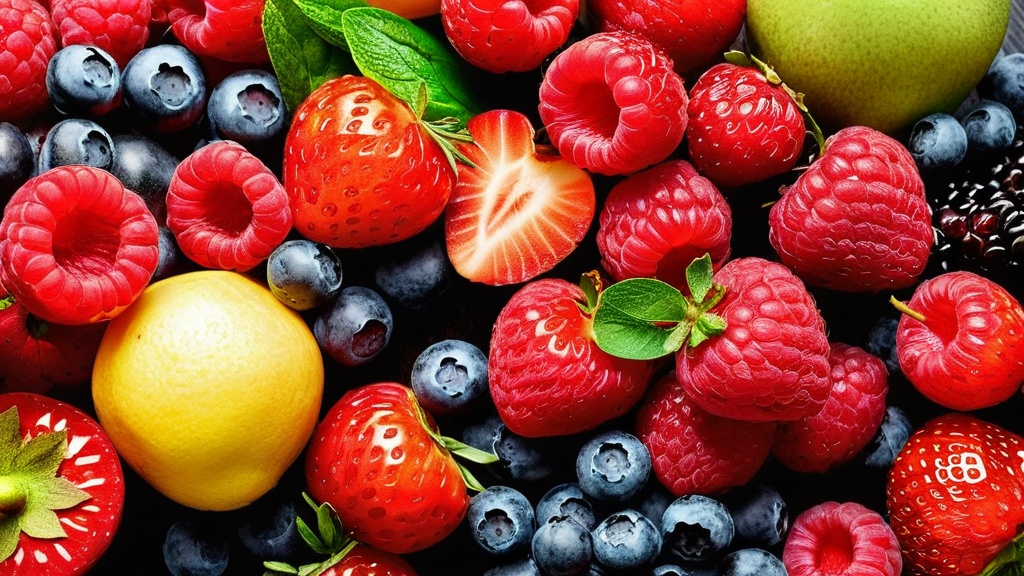
Fruits are packed with vitamins and antioxidants. Berries, like blueberries and raspberries, are fantastic. They contain anthocyanins, powerful compounds. Enjoy a handful after your workout.
Cherries, especially tart cherries, are beneficial. Studies show they reduce muscle soreness. Drink tart cherry juice or eat fresh cherries. Apples, oranges, and grapes also contribute.
- Blueberries: A potent source of anthocyanins.
- Tart Cherries: Known for anti-inflammatory properties.
- Oranges: High in Vitamin C, an essential antioxidant.
Emphasizing Antioxidant-Rich Vegetables
Vegetables play a crucial role. Dark leafy greens are nutritional powerhouses. Spinach, kale, and collard greens offer abundant antioxidants. They also provide vitamins and minerals. Broccoli and bell peppers are also excellent choices.
Cruciferous vegetables, like broccoli, are particularly beneficial. They contain sulforaphane, a strong antioxidant. Add these to your meals regularly. A colorful plate is usually a healthy plate.
- Spinach: Rich in lutein and zeaxanthin.
- Broccoli: Contains sulforaphane, a potent antioxidant.
- Bell Peppers: High in Vitamin C and carotenoids.
Integrating Healthy Fats and Protein
Healthy fats deliver fat-soluble antioxidants. Avocados and olive oil contain Vitamin E. Nuts and seeds also provide healthy fats and antioxidants. Omega-3 fatty acids are also anti-inflammatory. Fatty fish like salmon is a great source.
Protein is vital for muscle repair. Pair it with your antioxidant intake. Lean meats, eggs, and legumes are good protein sources. This combination promotes optimal recovery.
- Avocado: Contains Vitamin E and healthy monounsaturated fats.
- Salmon: Rich in Omega-3s and astaxanthin.
- Almonds: Provide Vitamin E and healthy fats.
Beyond Food: Lifestyle and Supplements
The Role of Hydration
Water is essential for every bodily function. It transports nutrients and removes waste. Dehydration exacerbates muscle soreness. Drink plenty of water throughout the day. Hydration supports antioxidant delivery.
Electrolytes also play a role. They help maintain fluid balance. Replenish electrolytes after intense exercise. Coconut water can be a good choice.
Understanding Antioxidant Supplements
Supplements can be tempting. However, whole foods are generally better. They offer a synergistic effect. Nutrients work together for greater benefit. Consult a doctor before taking supplements.
High doses of some antioxidants can be harmful. For example, excessive Vitamin E can be detrimental. Rely on a balanced diet first. Supplements should complement, not replace, good nutrition.
- Whole Foods First: Prioritize a diet rich in fruits and vegetables.
- Consult a Professional: Talk to your doctor before starting any supplement.
- Avoid Excessive Doses: More isn’t always better with supplements.
Other Recovery Strategies
Sleep is paramount for muscle recovery. Your body repairs itself during sleep. Aim for 7-9 hours of quality sleep. Prioritize a consistent sleep schedule.
Stress management is also important. Chronic stress can increase oxidative stress. Practice mindfulness or meditation. Yoga or deep breathing can help. These practices support overall well-being and recovery.
- Prioritize Sleep: Get enough rest for optimal repair.
- Manage Stress: Reduce stress to support body functions.
- Foam Rolling/Stretching: Improve blood flow and flexibility.
Practical Tips for Your Recovery Journey
| Antioxidants | Muscle Recovery |
|---|---|
| Vitamin C | Reduces muscle soreness |
| Vitamin E | Protects muscles from oxidative stress |
| Coenzyme Q10 | Improves muscle function |
| Flavonoids | Enhances muscle repair |
Smart Snacking
Reach for antioxidant-rich snacks. A handful of berries is a great choice. An apple with almond butter provides fiber and healthy fats. A smoothie with spinach and fruit is also excellent.
After your workout, refuel promptly. This helps kickstart muscle repair. A banana and a small handful of walnuts could be ideal. Timing your nutrient intake matters.
- Post-Workout Smoothie: Blend berries, spinach, and protein powder.
- Apple Slices with Nut Butter: Quick and easy.
- Greek Yogurt with Fruit: Protein and antioxidants.
Cooking with Color
Make your meals vibrant. Aim for a rainbow of fruits and vegetables. Different colors often indicate different antioxidants. This ensures a broad spectrum of benefits.
Roast colorful vegetables like bell peppers and sweet potatoes. Add spinach to your pasta or eggs. Experiment with new recipes. Cooking at home gives you control over ingredients.
- Colorful Salads: Mix various greens, vegetables, and berries.
- Stir-Fries: Quick way to incorporate many vegetables.
- Roast Vegetable Medley: Healthy and delicious side dish.
Listening to Your Body
Pay attention to your body’s signals. Some soreness is normal. Extreme pain or prolonged soreness is not. Adjust your workouts as needed. Rest days are crucial for recovery.
Don’t push through intense pain. This can lead to injury. Proper form during exercise is also vital. Consult a professional if pain persists. Your body needs care and attention. Building muscle is a gradual process.
- Rest When Needed: Allow muscles to repair and rebuild.
- Adjust Workouts: Modify intensity or duration as required.
- Seek Professional Advice: For persistent pain or injury concerns.
By embracing a diet rich in antioxidants and adopting smart lifestyle habits, you’re not only speeding up your muscle recovery but also supporting your overall health and well-being. Fuel your body wisely, and you’ll be ready for your next challenge!
FAQs
What are antioxidants and how do they work in muscle recovery?
Antioxidants are compounds that help neutralize harmful molecules called free radicals in the body. During exercise, free radicals can increase and cause oxidative stress, which can lead to muscle fatigue and damage. Antioxidants help reduce this oxidative stress, allowing for better muscle recovery.
What are some common sources of antioxidants?
Common sources of antioxidants include fruits (such as berries, oranges, and grapes), vegetables (such as spinach, kale, and broccoli), nuts, seeds, and certain spices (such as turmeric and cinnamon). Additionally, green tea and dark chocolate are also rich in antioxidants.
How do antioxidants benefit muscle recovery?
Antioxidants benefit muscle recovery by reducing oxidative stress and inflammation in the muscles. This can lead to faster recovery, reduced muscle soreness, and improved overall muscle function. Additionally, antioxidants can help support the immune system, which is important for overall recovery after intense exercise.
Can taking antioxidant supplements improve muscle recovery?
While consuming antioxidants through a balanced diet is generally recommended, research on the effectiveness of antioxidant supplements for muscle recovery is mixed. Some studies suggest that high doses of antioxidant supplements may actually interfere with the body’s natural adaptation to exercise. It’s best to focus on obtaining antioxidants from whole foods rather than relying solely on supplements.
Are there any potential risks or side effects associated with consuming antioxidants for muscle recovery?
While antioxidants are generally safe when consumed through food sources, excessive intake of antioxidant supplements may have potential risks. Some studies have suggested that high doses of certain antioxidants may interfere with exercise-induced adaptations, such as muscle growth and endurance. It’s important to consume antioxidants in moderation and consult with a healthcare professional before starting any new supplement regimen.