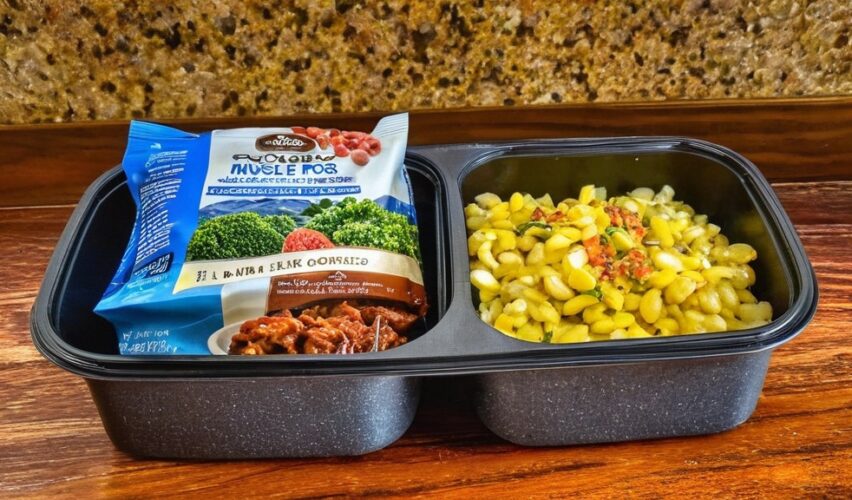
Sun, sand, and gains! Dreaming of a vacation that fuels your fitness goals? Packing the right snacks can keep your muscles happy while you explore. Don’t let travel derail your progress. We’ve got your back with tasty, protein-packed options.
Muscles need protein to repair and grow. Traveling can make protein intake tricky. Fortunately, many portable foods offer a protein boost. These options are great for pre- or post-activity fueling. They keep you feeling full and satisfied.
Jerky: A Classic Choice
Beef, turkey, or even salmon jerky works well. Look for low-sodium varieties. It’s a convenient, shelf-stable protein source. Just a few ounces can provide significant protein.
Protein Bars: Smart Selections
Choose bars with whole food ingredients. Aim for at least 15 grams of protein. Avoid bars loaded with sugar. Read the nutrition labels carefully.
Hard-Boiled Eggs: Portable Protein
Eggs are a complete protein source. They contain all essential amino acids. Boil a batch before you leave. Pack them in a small cooler.
Canned Fish: Tuna and Sardines
These are packed with protein and healthy fats. Opt for tuna or sardines in water. They are easy to carry and open. Enjoy them on crackers or with a fork.
Nuts and Seeds: Tiny Titans
Almonds, walnuts, pumpkin seeds, and sunflower seeds offer protein. They also provide healthy fats and fiber. Portion them into small bags. They prevent overeating.
Carbs for Energy and Recovery
Carbohydrates fuel your workouts. They also help muscles recover. Choosing the right carbs while traveling is key. Complex carbs provide sustained energy. They are better than simple sugars.
Whole-Grain Crackers: Versatile Snacks
Pair them with nut butter or cheese. They offer fiber and energy. Look for crackers made with 100% whole grains. They are light and easy to pack.
Dried Fruit: Natural Sweetness
Raisins, apricots, and mangoes are good choices. They offer quick energy. Eat them in moderation due to sugar content. They are a natural way to satisfy sweet cravings.
Oats: A Traveler’s Staple
Instant oats are very convenient. Mix them with water or milk. Add nuts or dried fruit for extra flavor. They provide complex carbohydrates.
Bananas: Nature’s Energy Bar
Bananas are a great source of potassium. They offer quick energy before activity. They are easy to peel and eat. Buy them when ripe.
Sweet Potatoes: Pre-Cooked Power
If you have access to a fridge, pre-cook sweet potatoes. Roast or bake them. They offer complex carbs and vitamins. Reheat them easily.
Healthy Fats for Sustained Fuel
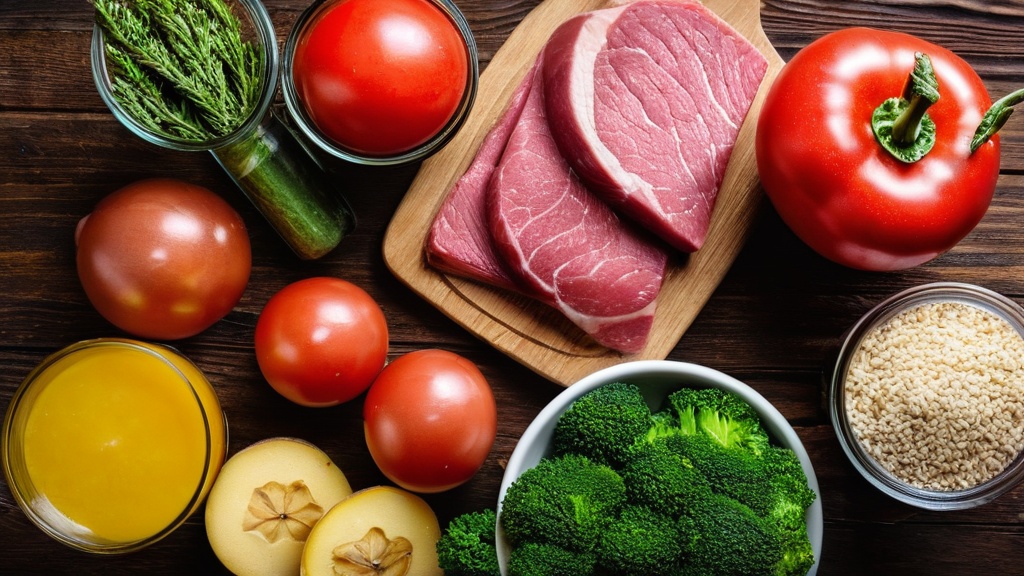
Healthy fats are crucial for energy. They help absorb vitamins. They also support hormone function. Travel-friendly fats are readily available.
Nut Butters: Creamy Goodness
Peanut, almond, or cashew butter is excellent. Pack single-serving packets. Spread them on crackers or fruit. They add protein and healthy fats.
Avocado: The Superfruit
Avocados are rich in monounsaturated fats. They are packed with nutrients. Eat them on toast or as a side. They are best eaten fresh.
Olive Oil Packets: Drizzles of Health
Portable olive oil packets are handy. Use them to dress salads. Drizzle them on cooked vegetables. They add healthy fats and flavor.
Chia Seeds and Flax Seeds: Tiny Powerhouses
Add them to oatmeal or yogurt. They offer omega-3 fatty acids. They are easy to carry in small containers. They provide fiber as well.
Hydration Heroes for Peak Performance
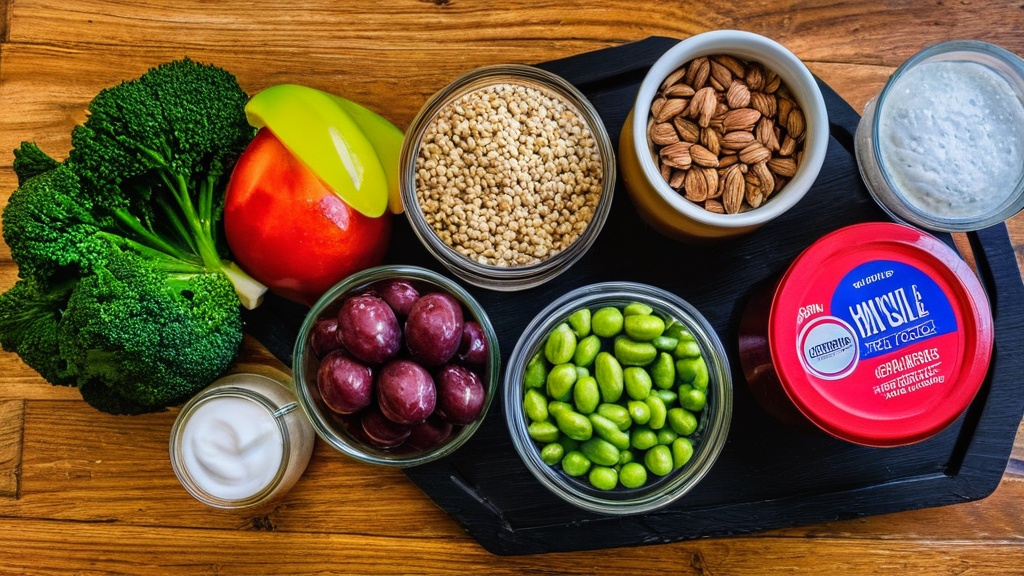
Staying hydrated is non-negotiable. Water is the best choice. Dehydration can hurt your energy levels. It can also impact muscle function.
Water Bottles: Reusable and Refillable
| Food | Protein Content (per 100g) | Calories (per 100g) | Carbohydrates (per 100g) |
|---|---|---|---|
| Chicken Breast | 31g | 165 | 0g |
| Turkey Breast | 29g | 135 | 0g |
| Eggs | 13g | 155 | 1.1g |
| Greek Yogurt | 10g | 59 | 3.6g |
| Cottage Cheese | 11g | 98 | 3.4g |
Carry a durable water bottle. Refill it whenever possible. This saves money and reduces waste. Staying hydrated keeps you feeling your best.
Electrolyte Powders: Replenishing Minerals
For intense activity or hot climates, consider electrolyte powders. They replace lost salts and minerals. Mix them into your water. They help prevent cramps.
Coconut Water: Natural Hydration
Coconut water is a natural source of electrolytes. It has a slightly sweet taste. Choose unsweetened varieties. It is refreshing after exercise.
Herbal Teas: Soothing and Hydrating
Unsweetened herbal teas can contribute to fluid intake. They offer a warm or cool beverage option. Chamomile or peppermint teas are good choices. They are caffeine-free.
Pre-Trip Preparation for Success
Smart packing makes healthy eating easy. Plan your snacks before you travel. Consider your destination’s climate. Think about your activity levels.
Create a Snack Inventory
List all the travel-friendly foods you will pack. This ensures you have enough. It helps avoid impulse buys. A good plan prevents food mishaps.
Portion Control is Key
Pre-portion snacks into small bags or containers. This helps manage serving sizes. It prevents overconsumption of calories. It makes on-the-go eating simple.
Utilize Cooler Bags
Invest in a small, insulated cooler bag. This allows you to pack perishable items. Think yogurt, cheese sticks, or pre-cooked chicken. It keeps your food fresh and safe.
Research Local Markets
Look for grocery stores or farmers’ markets at your destination. You can buy fresh produce there. It’s a great way to supplement your packed snacks. You can find local, healthy options.
Pack Reusable Utensils
Don’t forget forks, spoons, and knives. This eliminates the need for disposable plastic. It makes eating your packed meals easier. It’s an eco-friendly choice.
Smart Snacking During Transit
Travel days can be long. Keep your energy levels stable. Avoid unhealthy convenience store choices. Your packed snacks are your best defense.
Airport Security Tips
Most solid snacks are allowed through security. Liquids like yogurt or smoothies must follow TSA rules. Pack them in checked luggage if unsure. Check TSA guidelines before flying.
Road Trip Rations
For car trips, a cooler is essential. Pack a variety of snacks for easy access. Keep healthy options within reach. This prevents stopping for less healthy choices.
Hotel Room Essentials
If your hotel has a fridge, use it wisely. Stock it with yogurt, fruit, or pre-cut veggies. This makes breakfast or late-night snacks simple. It saves money on room service.
Airplane Meals and Snacks
Many airlines offer limited healthy options. Bring your own meals and snacks. This ensures you eat well on flights. Avoid sugary airplane pastries.
Train and Bus Travel
Similar to road trips, plan your food. Pack non-perishable items that travel well. Many public transport systems allow outside food. Enjoy your healthy snacks discreetly.
Post-Workout Recovery on the Road
Muscle repair continues after exercise. Fueling recovery is important. Even while traveling, you can optimize this.
Protein and Carbs Together
Combine protein and carb sources. This helps replenish muscle glycogen stores. It also provides building blocks for repair. Think crackers with nut butter.
Hydration for Recovery
Continue drinking water after your workout. Replenishing fluids aids muscle function. Electrolyte drinks can be beneficial after intense sessions. Proper hydration is vital.
Timing Your Snacks
Aim to refuel within 30-60 minutes post-exercise. If that’s not possible, eat a balanced meal soon after. Your body appreciates prompt nourishment. Don’t delay your recovery fuel.
Listen to Your Body
Pay attention to hunger cues. Eat when you feel hungry. Don’t force food when you are not. Your body signals its needs.
Sleep is a Key Recovery Tool
While not a food, adequate sleep is crucial. It aids muscle repair and growth. Prioritize restful sleep during your travels. It complements your nutrition efforts.
Building Muscle Abroad: Cultural Considerations
Exploring new cultures means new foods. Embrace local flavors while staying mindful. Many cuisines offer healthy, protein-rich options.
Seek Lean Proteins
Many cultures feature grilled meats and fish. Look for these options. They are often prepared simply. Ask about cooking methods.
Embrace Legumes and Grains
Beans, lentils, and whole grains are staples globally. They provide protein and fiber. They are often flavorful and filling. Explore local rice dishes.
Be Wary of Fried Foods
While delicious, fried foods are often high in unhealthy fats. Enjoy them in moderation. They can derail your fitness goals. Balance is important.
Fresh Produce is Universal
Fruits and vegetables are readily available worldwide. Make them a significant part of your diet. They provide essential vitamins and minerals. Eat colorful salads.
Mindful Indulgences
It’s okay to try local specialties. Practice mindful eating. Savor the experience. Balance indulgences with your usual healthy habits. Enjoy your culinary adventures.
Sample Travel Snack Combinations
Putting it all together makes it easier. Here are some winning pairings. They offer a balanced nutritional profile. They keep you satisfied.
Trail Mix: A Customizable Blend
Combine nuts, seeds, and dried fruit. Add some dark chocolate chips for a treat. Control the portions. It’s a power-packed snack.
Rice Cakes with Avocado and Everything Bagel Seasoning
A light, yet satisfying option. Provides carbs and healthy fats. The seasoning adds great flavor. Quick to assemble.
Greek Yogurt with Berries and Almonds
High in protein, antioxidants, and healthy fats. A fantastic snack or breakfast. Pack yogurt if you have a cooler. It’s very versatile.
Apple Slices with Peanut Butter
A classic for a reason. Fiber, protein, and healthy fats. Easy to prepare and portable. A great energy boost.
Tuna Salad (made with Greek yogurt) on Whole-Grain Crackers
A protein-rich savory option. Greek yogurt makes it lighter. Enjoy it on sturdy crackers. A complete mini-meal.
FAQs
What are muscle building travel foods?
Muscle building travel foods are portable, high-protein snacks or meals that are convenient for consumption while on the go. These foods are specifically chosen to support muscle growth and recovery during travel.
What are some examples of muscle building travel foods?
Examples of muscle building travel foods include protein bars, beef jerky, Greek yogurt, hard-boiled eggs, nuts and seeds, canned tuna, and protein shakes. These foods are high in protein and can be easily packed and consumed while traveling.
Why are muscle building travel foods important?
Muscle building travel foods are important because they provide the necessary nutrients, particularly protein, to support muscle growth and recovery while traveling. They help maintain muscle mass and prevent muscle breakdown during periods of limited access to regular meals.
How can muscle building travel foods benefit travelers?
Muscle building travel foods can benefit travelers by providing a convenient and portable source of high-quality protein, which is essential for muscle repair and growth. These foods can help travelers maintain their fitness and nutrition goals while on the go.
Are there any considerations to keep in mind when choosing muscle building travel foods?
When choosing muscle building travel foods, it’s important to consider factors such as shelf stability, ease of transport, and nutritional content. Look for options that are high in protein, low in added sugars, and can withstand travel conditions without spoiling.