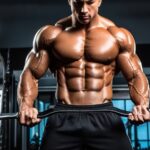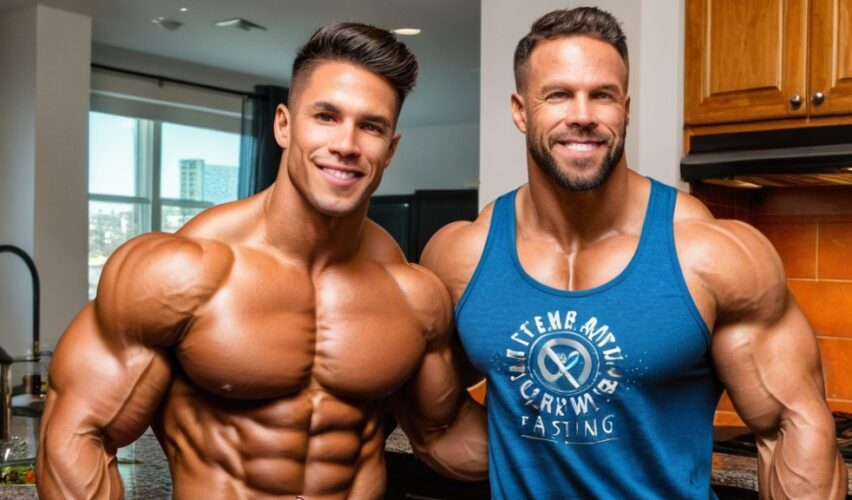
Intermittent fasting (IF) is a dietary pattern that alternates between designated eating periods and fasting periods, rather than focusing on specific food choices. This approach has gained scientific attention and public interest as a potential strategy for weight management, metabolic health improvement, and longevity enhancement. Common intermittent fasting protocols include the 16:8 method, which restricts eating to an 8-hour window while fasting for 16 hours, and the 5:2 approach, which involves normal eating for five days and caloric restriction (typically 500-600 calories) for two non-consecutive days per week.
Other variations include alternate-day fasting, extended fasting periods, and the eat-stop-eat method. Research indicates that intermittent fasting may influence metabolic processes including insulin sensitivity, cellular autophagy, and hormone regulation. The flexibility of different IF protocols allows individuals to select approaches that align with their schedules, preferences, and health goals, though consultation with healthcare providers is recommended before beginning any fasting regimen.
Key Takeaways
- Intermittent fasting can positively influence muscle growth by optimizing hormone levels and enhancing protein synthesis.
- Proper timing of meals during fasting schedules is crucial to maximize muscle recovery and exercise performance.
- Combining intermittent fasting with resistance training supports muscle preservation and growth effectively.
- Hormonal responses, such as increased growth hormone and insulin sensitivity, play a key role in muscle development during fasting.
- Strategic incorporation of intermittent fasting requires attention to nutrient intake and workout timing for best muscle-building results.
The Impact of Intermittent Fasting on Muscle Growth
Muscle growth, or hypertrophy, requires a delicate balance of nutrition and exercise. Intermittent fasting can influence this balance significantly. Some studies suggest that IF may not hinder muscle growth when done correctly.
However, concerns about muscle loss during fasting periods exist. The key lies in how one approaches their eating windows and overall nutrition. Proper planning can help mitigate any potential negative effects on muscle development.
How Intermittent Fasting Boosts Muscle Growth

Intermittent fasting can enhance muscle growth through several mechanisms. First, it promotes better insulin sensitivity. Improved insulin sensitivity allows for more efficient nutrient uptake by muscle cells.
Additionally, fasting can increase growth hormone levels. Higher growth hormone levels support muscle repair and growth. This hormonal response can be beneficial for those looking to build muscle mass.
The Role of Hormones in Intermittent Fasting and Muscle Growth
Hormones play a vital role in muscle growth during intermittent fasting. Insulin, growth hormone, and testosterone all contribute to muscle development. Fasting influences these hormones positively, creating an environment conducive to growth.
During fasting, insulin levels drop, which can promote fat burning. Simultaneously, growth hormone levels rise, enhancing muscle repair. This hormonal interplay is essential for anyone aiming to build or maintain muscle mass.
Intermittent Fasting and Protein Synthesis
| Metric | Value | Notes |
|---|---|---|
| Fasting Window | 16-20 hours | Common intermittent fasting protocols like 16:8 or 20:4 |
| Feeding Window | 4-8 hours | Time period for consuming calories and nutrients |
| Muscle Protein Synthesis (MPS) Rate | ~0.05-0.1% per hour | Can be stimulated by protein intake during feeding window |
| Protein Intake | 1.6-2.2 g/kg body weight/day | Recommended for muscle growth during intermittent fasting |
| Growth Hormone Levels | Increased 2-3x during fasting | May support muscle preservation and fat loss |
| Insulin Sensitivity | Improved | Helps with nutrient partitioning towards muscle |
| Lean Muscle Mass Change | Varies: +0.5 to +1.5 kg/month | Dependent on training, nutrition, and fasting adherence |
| Training Frequency | 3-5 sessions/week | Resistance training recommended to maximize muscle growth |
| Caloric Intake | Maintenance or slight surplus | Essential for muscle gain during intermittent fasting |
Protein synthesis is crucial for muscle repair and growth.
Research indicates that the timing of protein intake matters during fasting periods.
Consuming protein during eating windows can maximize muscle protein synthesis. This timing ensures that muscles receive the necessary nutrients for recovery and growth. Therefore, strategic meal planning becomes essential for those practicing intermittent fasting.
Intermittent Fasting and Muscle Recovery

Recovery is a critical aspect of any training regimen. Intermittent fasting can aid in muscle recovery through various mechanisms. Fasting periods allow the body to focus on repair processes without the distraction of digestion.
Moreover, fasting may reduce inflammation and oxidative stress. These factors can hinder recovery if not managed properly. By minimizing these issues, intermittent fasting can support faster recovery times.
The Best Intermittent Fasting Schedule for Muscle Growth
Choosing the right intermittent fasting schedule is essential for muscle growth. The 16/8 method is popular among fitness enthusiasts. This method involves fasting for 16 hours and eating within an 8-hour window.
Another option is the 5:2 diet, where individuals eat normally for five days and restrict calories on two non-consecutive days. Each method has its advantages, so individuals should select one that aligns with their lifestyle and training goals.
Intermittent Fasting and Exercise Performance
Exercise performance can be influenced by dietary choices, including intermittent fasting. Some athletes report improved focus and energy during workouts while fasting. However, others may experience fatigue if they train during fasting periods.
Timing workouts around eating windows can optimize performance. For instance, exercising just before breaking a fast may enhance energy levels. Understanding personal responses to fasting is crucial for maximizing exercise performance.
Combining Intermittent Fasting with Resistance Training
Resistance training is vital for building muscle mass. Combining intermittent fasting with resistance training can yield impressive results. The key lies in ensuring adequate nutrition during eating windows.
Consuming sufficient protein and calories post-workout supports recovery and growth. Additionally, timing workouts strategically around eating windows can enhance performance and results. This combination can lead to significant muscle gains over time.
Intermittent Fasting and Muscle Preservation
Muscle preservation is a concern during any weight loss or dietary change. Intermittent fasting can help maintain muscle mass while promoting fat loss. The hormonal changes induced by fasting support muscle retention.
By focusing on nutrient-dense foods during eating windows, individuals can provide their bodies with essential nutrients. This approach helps prevent muscle loss while still achieving weight loss goals. Thus, intermittent fasting can be a valuable tool for preserving muscle.
Tips for Incorporating Intermittent Fasting into Your Muscle Building Routine
Incorporating intermittent fasting into a muscle-building routine requires planning and commitment. Start by selecting a suitable fasting schedule that fits your lifestyle. Gradually adjust your eating habits to ease into the new routine.
Focus on nutrient-dense foods during eating windows to support muscle growth.
Additionally, stay hydrated throughout the day to support overall health and performance.
Listening to your body is crucial when practicing intermittent fasting. Monitor energy levels and adjust your routine as needed. With careful planning and attention to your body’s signals, you can successfully integrate intermittent fasting into your muscle-building journey.
FAQs
What is intermittent fasting?
Intermittent fasting is an eating pattern that cycles between periods of fasting and eating. Common methods include the 16/8 method, where you fast for 16 hours and eat during an 8-hour window, and the 5:2 method, where you eat normally five days a week and reduce calorie intake on two non-consecutive days.
Can intermittent fasting help with muscle growth?
Intermittent fasting can support muscle growth if combined with proper nutrition and resistance training. It may help regulate hormones like insulin and growth hormone, which play roles in muscle development. However, adequate protein intake and calorie consumption during eating windows are essential for muscle gain.
Is it possible to build muscle while fasting?
Yes, it is possible to build muscle while practicing intermittent fasting, but it requires careful planning. Consuming sufficient protein and calories during eating periods, along with consistent strength training, is crucial to promote muscle synthesis and recovery.
How does intermittent fasting affect muscle recovery?
Intermittent fasting may influence muscle recovery by affecting nutrient timing. Eating protein and carbohydrates soon after workouts during the eating window can support muscle repair. Fasting periods without nutrient intake might delay recovery if not managed properly.
What are the best foods to eat during intermittent fasting for muscle growth?
During eating windows, focus on high-protein foods such as lean meats, fish, eggs, dairy, legumes, and plant-based proteins. Including complex carbohydrates and healthy fats is also important to provide energy and support overall health.
Does intermittent fasting cause muscle loss?
Intermittent fasting does not necessarily cause muscle loss if calorie and protein needs are met. However, prolonged fasting without adequate nutrition or excessive calorie deficits can lead to muscle breakdown.
How should I time my workouts with intermittent fasting for optimal muscle growth?
Many people find it effective to train toward the end of their fasting period or during their eating window to ensure nutrient availability for recovery. However, individual preferences and energy levels vary, so it’s important to find a schedule that works best for you.
Are there any risks of combining intermittent fasting with muscle-building programs?
Potential risks include inadequate calorie or protein intake, which can impair muscle growth and recovery. It’s important to monitor your nutrition closely and consult with a healthcare or nutrition professional if you have underlying health conditions.
Can intermittent fasting improve hormone levels related to muscle growth?
Intermittent fasting may increase growth hormone levels and improve insulin sensitivity, both of which can positively influence muscle growth. However, the effects vary among individuals and depend on overall diet and exercise habits.
How long does it take to see muscle growth results with intermittent fasting?
Muscle growth timelines vary based on factors like training intensity, nutrition, genetics, and fasting protocol. Generally, noticeable muscle gains can take several weeks to months of consistent training and proper nutrition, regardless of fasting.