Feeling tired after workouts? Want to bounce back faster? You are not alone. Many athletes and fitness enthusiasts seek ways to boost their performance and speed up muscle repair. Fortunately, a smart approach to nutrition and hydration can make a big difference. Let’s explore how certain supplements can help you reach your fitness goals.
Endurance and recovery work hand-in-hand. Endurance is your ability to sustain physical activity for extended periods. Recovery is your body’s process of repairing itself after exercise. Both are crucial for consistent training and improvement.
The Pillars of Performance
Think of your body like a finely tuned engine. It needs the right fuel and maintenance. Proper nutrition is the primary fuel. Sleep and rest are the essential maintenance. Supplements can act as high-performance additives. They fill small gaps or offer a slight edge.
What Happens During Exercise?
When you exercise, your muscles use energy. This energy comes from stored carbohydrates and fats. Your body also experiences microscopic muscle damage. This damage is a normal part of the training process. It signals your body to adapt and grow stronger.
The Importance of Recovery
Without adequate recovery, this damage doesn’t get repaired efficiently. This leads to fatigue. It can also increase your risk of injury. Effective recovery allows your muscles to rebuild. It replenishes energy stores. This prepares you for your next training session.
For those interested in enhancing their endurance and recovery through supplementation, a related article can be found at The Muscle Group. This resource provides valuable insights into various supplements that can support athletic performance and aid in post-exercise recovery, making it a great read for athletes and fitness enthusiasts alike.
Key Supplements for Endurance Enhancement
Certain supplements can support your body’s energy systems. They help you push harder for longer. These are not magic pills. They work best when combined with a sound diet and training plan.
Caffeine: The Familiar Friend
Caffeine is a well-known stimulant. It can improve alertness. It also reduces the perception of effort. This means you may feel less tired during exercise. It is found in coffee, tea, and many supplements.
How Caffeine Works
Caffeine blocks adenosine. Adenosine is a chemical that makes you feel sleepy. By blocking it, caffeine increases wakefulness. It also helps release adrenaline. This hormone prepares your body for action.
Timing is Key
Take caffeine about 30-60 minutes before your workout. This allows it time to be absorbed. Avoid large doses close to bedtime. It can disrupt your sleep.
Dosage Considerations
A typical dose ranges from 3-6 mg per kilogram of body weight. For example, a 70 kg person might take 210-420 mg. Consult with a healthcare provider or registered dietitian. They can help determine a safe and effective dose for you.
Creatine: Fueling Power and Strength
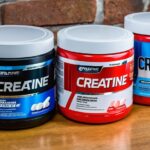
Creatine is a molecule your body naturally produces. It helps supply energy to your cells. Supplementing with creatine can increase your muscles’ stores. This can improve high-intensity exercise performance. It benefits activities like sprinting and weightlifting.
Energy Production Boost
Creatine helps create ATP. ATP is the main energy currency of your cells. More ATP means more readily available energy for quick bursts. This translates to more power.
Building Muscle Mass
Creatine can also contribute to increased muscle mass. This is a valuable asset for many athletes. Muscle mass supports strength and metabolism.
Safe and Effective Use
Dosing typically involves a loading phase. This is followed by a maintenance phase. A loading phase might be 20 grams per day for 5-7 days. The maintenance dose is usually 3-5 grams per day. It is generally safe for most people.
Nitric Oxide Boosters: Expanding Blood Flow
Supplements that boost nitric oxide can improve blood flow. Nitric oxide is a vasodilator. It relaxes blood vessels. This allows more oxygen and nutrients to reach your muscles.
Key Ingredients
L-arginine and L-citrulline are common precursors. Your body converts them into nitric oxide. Beetroot extract is another natural source. It is rich in nitrates.
Benefits for Endurance
Improved blood flow can enhance oxygen delivery. This delays fatigue. It may also aid in waste product removal. This supports your muscles during long activities.
Research Findings
Studies show these supplements can reduce blood pressure. They also improve exercise capacity. However, individual responses can vary.
Essential Supplements for Recovery Acceleration
Recovery is when your body rebuilds and adapts. Certain supplements support these vital processes. They help you heal faster. They prepare you for your next challenge.
Protein: The Building Blocks of Muscle
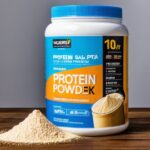
Protein is essential for muscle repair. When you exercise, your muscles experience micro-tears. Protein provides the amino acids needed to rebuild them. This process leads to stronger muscles.
Types of Protein
Whey protein is popular. It digests quickly. Casein protein digests slowly. Plant-based proteins like soy or pea are also good options.
When to Take Protein
Consuming protein after exercise is beneficial. It helps kick-start muscle repair. Including protein in your daily diet is also key. Aim for consistent intake throughout the day.
Recommended Intake
General recommendations are around 1.6-2.2 grams of protein per kilogram of body weight. This is for active individuals. Consult a sports nutritionist for personalized advice.
Branched-Chain Amino Acids (BCAAs): Muscle Repair Accelerators
BCAAs are a group of three essential amino acids. They are leucine, isoleucine, and valine. Your body cannot make these. They play a direct role in muscle protein synthesis.
Reducing Muscle Soreness
BCAAs may help reduce delayed onset muscle soreness (DOMS). This is the stiffness you feel after a tough workout. They can lessen the damage to muscle proteins.
Combating Fatigue
Some research suggests BCAAs can reduce exercise-induced fatigue. They may compete with tryptophan for entry into the brain. Tryptamine can contribute to fatigue.
Usage Guidelines
You can take BCAAs before, during, or after exercise. The dosage can range from 5-20 grams per day. They are often found in powdered form.
Omega-3 Fatty Acids: The Inflammation Fighters
Omega-3s are healthy fats. They have anti-inflammatory properties. Exercise can cause inflammation in your body. Omega-3s can help manage this.
Anti-inflammatory Action
They help reduce the production of inflammatory molecules. This can speed up recovery. It can also decrease muscle pain.
Sources of Omega-3s
Fish oil is a common source. Krill oil and algal oil are alternatives. Plant-based sources include flaxseeds and chia seeds.
Daily Intake
A daily intake of 1-3 grams of combined EPA and DHA is often recommended. Check the specific product for EPA/DHA content.
Hydration and Electrolyte Balance: The Unsung Heroes

Water is vital for all bodily functions. During exercise, you lose water through sweat. Electrolytes are minerals that help maintain fluid balance. They are crucial for muscle function.
The Role of Water
Water regulates body temperature. It transports nutrients. It lubricates joints. Dehydration impairs performance. It can lead to serious health issues.
Staying Hydrated Pre-Exercise
Drink water consistently throughout the day. Increase intake before and during your workout. Aim for pale yellow urine. This indicates good hydration.
Hydration During Exercise
Sip water regularly. Don’t wait until you feel thirsty. Thirst is a sign you are already mildly dehydrated.
Post-Exercise Rehydration
Replenish fluids lost through sweat. Weigh yourself before and after exercise. For every pound lost, drink about 16-24 ounces of fluid.
Electrolytes: Balancing the Body’s Fluids
Electrolytes include sodium, potassium, and magnesium. They help muscles contract. They keep nerve signals firing correctly. Sweating depletes these minerals.
Sodium and Potassium
Sodium helps retain water. Potassium is vital for muscle contractions. Imbalances can cause cramps.
Magnesium’s Role
Magnesium is involved in energy production. It also aids in muscle relaxation. Many people do not get enough from their diet.
Electrolyte Supplements
Electrolyte powders or tablets can help. They are especially useful during long or intense workouts. Choose products with a balanced mix of electrolytes. Avoid those with excessive sugar.
For athletes looking to enhance their performance, the right supplements can play a crucial role in endurance and recovery. A recent article discusses various options that can help improve stamina and speed up recovery times, providing insights into how specific nutrients can support athletic goals. If you’re interested in exploring these supplements further, you can find more information in this related article. Understanding the benefits of these supplements can make a significant difference in your training regimen.
Strategic Supplement Stacking for Maximum Impact
| Supplement | Primary Benefit | Typical Dosage | Effect on Endurance | Effect on Recovery | Notes |
|---|---|---|---|---|---|
| Beta-Alanine | Buffers lactic acid | 2-5 grams/day | Improves high-intensity endurance | May reduce muscle fatigue | Causes tingling sensation at high doses |
| Branched-Chain Amino Acids (BCAAs) | Muscle protein synthesis | 5-10 grams before/during exercise | Supports prolonged exercise | Reduces muscle soreness | Effective when dietary protein is low |
| Creatine Monohydrate | Increases ATP availability | 3-5 grams/day | Enhances short bursts of endurance | Speeds muscle recovery | Well-studied and safe |
| Electrolytes (Sodium, Potassium, Magnesium) | Hydration and muscle function | Varies based on sweat loss | Prevents cramping and fatigue | Supports rehydration | Important during long endurance events |
| Omega-3 Fatty Acids | Anti-inflammatory | 1-3 grams/day | May improve endurance capacity | Reduces muscle inflammation | Supports joint health |
| Protein (Whey or Plant-based) | Muscle repair and growth | 20-30 grams post-exercise | Indirectly supports endurance by muscle maintenance | Enhances muscle recovery | Essential for recovery phase |
| L-Carnitine | Fatty acid metabolism | 1-3 grams/day | May improve endurance performance | Supports recovery by reducing muscle damage | Mixed evidence on effectiveness |
| Tart Cherry Juice | Antioxidant and anti-inflammatory | 8-12 oz/day | May reduce exercise-induced muscle damage | Speeds recovery and reduces soreness | Natural source of melatonin |
Combining certain supplements can create a synergistic effect. This means they work together more effectively. The whole is greater than the sum of its parts.
Endurance Focus Stack
For endurance, consider caffeine and creatine. Caffeine provides an immediate energy boost. Creatine supports sustained power output. This stack can help you train harder. It can also help you last longer.
Recovery Focus Stack
For recovery, protein and BCAAs are a good pair. Protein provides the raw materials for repair. BCAAs prime the muscles for protein synthesis. Omega-3s can further aid in reducing inflammation. This combination supports faster muscle rebuilding.
Pre-Workout and Post-Workout Timing
Take caffeine and creatine before your workout. This primes your body for exertion. Consume protein and BCAAs soon after exercise. This initiates the recovery process. Omega-3s can be taken anytime. They offer ongoing anti-inflammatory benefits.
Important Considerations and Safety
Supplements can be beneficial. However, they are not a replacement for good habits. Always prioritize a balanced diet. Ensure you get adequate sleep.
Consult a Professional
Before starting any new supplement regimen, talk to your doctor. A registered dietitian or sports nutritionist can provide personalized advice. They can help you understand your individual needs. They can also identify potential interactions with medications.
Quality Matters
Choose reputable brands. Look for third-party certifications. This ensures the product is tested for purity and potency. It also confirms it contains what the label claims.
Listen to Your Body
Pay attention to how your body responds. Adjust dosages as needed. If you experience any adverse effects, stop taking the supplement. Consult a healthcare professional.
Not a Magic Bullet
Supplements are tools. They enhance an already solid foundation. They cannot compensate for poor training or diet. Consistency and hard work are the true keys to success. Use them wisely.
FAQs
What are the most common supplements used for endurance?
Common supplements for endurance include caffeine, beta-alanine, beetroot juice, and branched-chain amino acids (BCAAs). These supplements can help improve stamina, delay fatigue, and enhance overall performance during prolonged exercise.
How do supplements aid in recovery after endurance exercise?
Supplements such as protein powders, BCAAs, glutamine, and antioxidants help repair muscle damage, reduce inflammation, and replenish glycogen stores. This supports faster recovery and reduces muscle soreness after endurance activities.
Are there any risks associated with taking endurance and recovery supplements?
While many supplements are generally safe when used as directed, some can cause side effects or interact with medications. It is important to consult a healthcare professional before starting any supplement regimen, especially for individuals with underlying health conditions.
Can natural foods provide the same benefits as supplements for endurance and recovery?
Yes, many natural foods like lean meats, nuts, fruits, vegetables, and whole grains provide essential nutrients that support endurance and recovery. Supplements are often used to fill nutritional gaps or provide convenience but are not a substitute for a balanced diet.
How should supplements be integrated into an endurance training program?
Supplements should be used strategically based on individual needs, training intensity, and goals. It is best to start with a well-rounded diet, then add supplements as needed under professional guidance to optimize performance and recovery without over-reliance.