
Branched-chain amino acids (BCAAs) are three essential amino acids: leucine, isoleucine, and valine. These amino acids are classified as essential because the human body cannot synthesize them and must obtain them through dietary sources. BCAAs are distinguished from other amino acids by their unique metabolic pathway—they are metabolized primarily in skeletal muscle rather than in the liver, allowing for direct utilization by muscle tissue.
Research indicates that BCAAs, particularly leucine, stimulate muscle protein synthesis through activation of the mechanistic target of rapamycin (mTOR) signaling pathway. Leucine serves as a molecular signal that initiates this anabolic process, promoting the translation of mRNA into new muscle proteins. Studies have shown that leucine concentrations of approximately 2.5-3 grams can effectively stimulate mTOR activation.
The metabolic characteristics of BCAAs enable rapid absorption and utilization during exercise. Clinical studies demonstrate that BCAA supplementation can reduce exercise-induced muscle protein breakdown and may help maintain muscle mass during periods of caloric restriction or intense training. However, the effectiveness of isolated BCAA supplementation remains debated, as complete protein sources containing all essential amino acids may provide superior anabolic responses compared to BCAAs alone.
Key Takeaways
- BCAAs play a crucial role in muscle growth, recovery, and repair by stimulating protein synthesis and reducing muscle breakdown.
- Incorporating BCAAs into your workout routine, especially timed around exercise, can enhance muscle growth and reduce soreness.
- Optimal BCAA dosage and sourcing from quality foods or supplements are key to maximizing muscle-building benefits.
- Combining BCAAs with other supplements and maintaining proper nutrition and hydration further supports muscle development.
- Awareness of potential side effects and using BCAAs during calorie restriction can help preserve muscle mass and improve training endurance.
The benefits of BCAAs for muscle recovery and repair
BCAAs significantly enhance muscle recovery after strenuous workouts. They help reduce muscle soreness and speed up recovery time. This benefit allows athletes to train harder and more frequently without excessive fatigue.
By minimizing muscle damage, BCAAs enable quicker returns to peak performance. Additionally, BCAAs can help prevent muscle breakdown during intense training sessions. They provide the body with the necessary building blocks to repair damaged tissues.
This protective effect is especially beneficial for those engaged in high-intensity or prolonged exercise.
How to incorporate BCAAs into your workout routine for maximum muscle growth
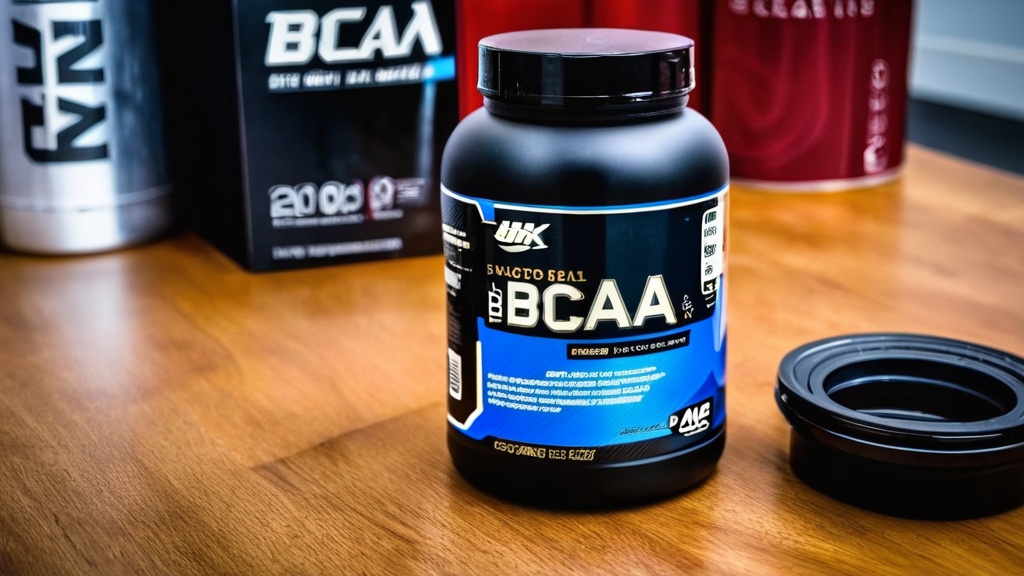
Incorporating BCAAs into your routine can be straightforward. You can consume them before, during, or after workouts. Many athletes prefer taking them before training to boost energy levels and enhance endurance.
This timing can help maximize performance during intense sessions. You can also mix BCAAs with your post-workout shake. This combination aids in recovery and muscle repair.
Experimenting with different timings can help you find what works best for your body and training style.
The best sources of BCAAs for muscle building
You can obtain BCAAs from various dietary sources. Animal proteins like chicken, beef, and fish are rich in these essential amino acids. Dairy products such as milk, yogurt, and cheese also provide significant amounts of BCAAs.
Including these foods in your diet can support muscle growth effectively. For those who prefer plant-based options, certain legumes and nuts contain BCAAs as well. Soybeans, lentils, and chickpeas are excellent choices for vegetarians and vegans.
Additionally, many supplements offer concentrated doses of BCAAs for those who need an extra boost.
The ideal dosage of BCAAs for maximizing muscle growth
| Metric | Value | Unit | Description |
|---|---|---|---|
| Leucine Content | 40 | Percent | Percentage of leucine in typical BCAA supplements |
| Isoleucine Content | 20 | Percent | Percentage of isoleucine in typical BCAA supplements |
| Valine Content | 20 | Percent | Percentage of valine in typical BCAA supplements |
| Recommended Daily Intake | 5-12 | grams | Typical daily dosage range for BCAA supplementation |
| Absorption Rate | 95 | Percent | Approximate absorption rate of BCAAs in the digestive system |
| Muscle Protein Synthesis Increase | 22 | Percent | Average increase in muscle protein synthesis after BCAA intake |
| Half-life in Bloodstream | 2-3 | hours | Time BCAAs remain active in the bloodstream |
Determining the right dosage of BCAAs is essential for optimal results. Most studies suggest a range of 5 to 20 grams per day. This amount can vary based on individual needs and training intensity.
Beginners may start with lower doses and gradually increase as they become accustomed to supplementation. It’s crucial to listen to your body when adjusting your dosage. Monitoring how you feel during workouts can guide you in finding the ideal amount.
Consulting with a healthcare professional or nutritionist can also provide personalized recommendations.
Combining BCAAs with other supplements for enhanced muscle building results
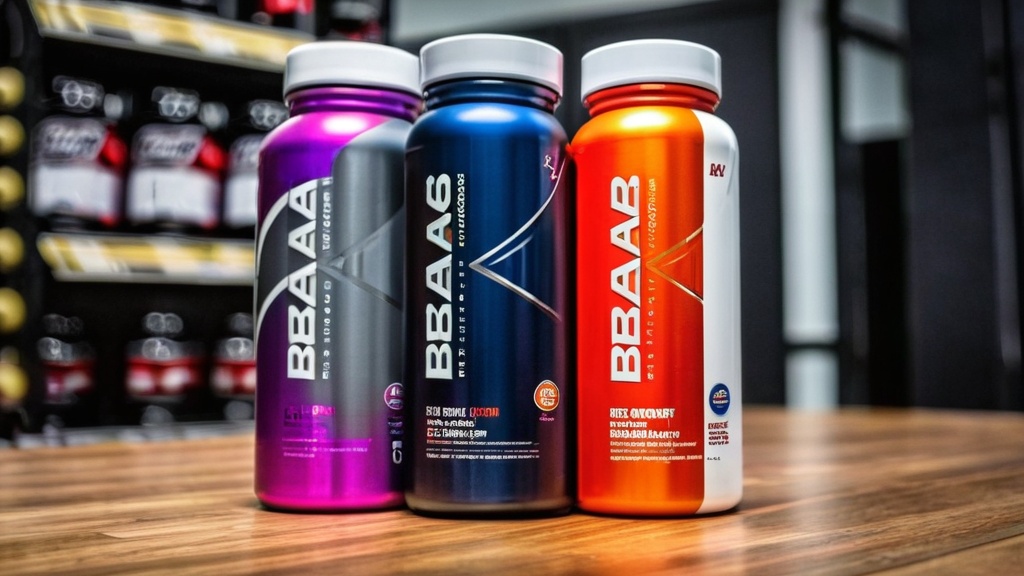
Combining BCAAs with other supplements can amplify their effects on muscle growth. Creatine is a popular choice that complements BCAA supplementation well. Together, they enhance strength and power during workouts, leading to better overall performance.
Additionally, combining BCAAs with protein powder can create a powerful post-workout shake. This combination provides both immediate recovery benefits and sustained protein intake for muscle repair. Experimenting with different supplement combinations can help you discover what works best for your goals.
The importance of timing BCAA intake for optimal muscle growth
Timing your BCAA intake plays a significant role in maximizing their benefits. Consuming them before or during workouts can enhance endurance and reduce fatigue. This strategy allows you to push through challenging sessions more effectively.
Post-workout consumption is equally important for recovery. Taking BCAAs after exercise helps kickstart the muscle repair process. Finding the right timing for your intake can significantly impact your overall training results.
BCAAs for preserving muscle mass during periods of calorie restriction or fasting
During calorie restriction or fasting, maintaining muscle mass becomes challenging. BCAAs can help mitigate this issue by providing essential amino acids without adding significant calories. They support muscle preservation while promoting fat loss.
Supplementing with BCAAs during these periods can help maintain energy levels as well. This benefit allows individuals to continue their training without feeling excessively fatigued or weak. Incorporating BCAAs into a calorie-restricted diet can be a game-changer for those looking to lose weight while preserving muscle.
BCAAs for reducing muscle soreness and fatigue during intense training
Muscle soreness often follows intense training sessions, making recovery difficult. BCAAs can help alleviate this discomfort by reducing muscle damage and inflammation. This effect allows athletes to bounce back more quickly after tough workouts.
Additionally, BCAAs may help combat fatigue during prolonged exercise sessions. By providing an energy source, they enable athletes to maintain performance levels longer. This benefit is particularly valuable for endurance athletes who require sustained energy throughout their training.
Potential side effects of BCAA supplementation and how to mitigate them
While BCAA supplementation offers numerous benefits, some individuals may experience side effects. Common issues include gastrointestinal discomfort or headaches. To minimize these effects, start with lower doses and gradually increase as tolerated.
Staying hydrated while taking BCAAs can also help reduce potential side effects. Drinking plenty of water supports overall health and aids digestion. If side effects persist, consulting a healthcare professional is advisable.
The role of proper nutrition and hydration in maximizing the benefits of BCAAs for muscle growth
Proper nutrition plays a vital role in maximizing the benefits of BCAAs. A balanced diet rich in whole foods supports overall health and enhances performance. Consuming adequate protein from various sources ensures that your body has the necessary building blocks for muscle growth.
Hydration is equally important when supplementing with BCAAs. Staying well-hydrated supports optimal bodily functions and aids in nutrient absorption. Combining proper nutrition and hydration with BCAA supplementation creates a solid foundation for achieving your fitness goals.
In conclusion, understanding the role of BCAAs in muscle growth is essential for anyone serious about fitness. Their benefits extend beyond just building muscle; they aid in recovery, reduce soreness, and help preserve muscle mass during calorie restriction. By incorporating them into your routine effectively, you can maximize your training results and achieve your fitness goals more efficiently.
FAQs
What are BCAAs?
Branched-Chain Amino Acids (BCAAs) are essential amino acids that include leucine, isoleucine, and valine. They are called “branched-chain” due to their chemical structure and are vital for muscle protein synthesis and energy production.
Why are BCAAs important for the body?
BCAAs play a crucial role in muscle growth, repair, and recovery. They help reduce muscle soreness, decrease exercise fatigue, and support muscle protein synthesis, making them popular among athletes and fitness enthusiasts.
Can the body produce BCAAs naturally?
No, BCAAs are essential amino acids, meaning the body cannot produce them on its own. They must be obtained through diet or supplementation.
What foods are rich in BCAAs?
Foods high in BCAAs include meat, poultry, fish, eggs, dairy products, legumes, and certain nuts and seeds.
How are BCAA supplements used?
BCAA supplements are commonly taken before, during, or after workouts to support muscle recovery and reduce fatigue. They are available in powder, capsule, and liquid forms.
Are BCAA supplements safe?
When taken in recommended doses, BCAA supplements are generally considered safe for most people. However, excessive intake may cause side effects, and individuals with certain medical conditions should consult a healthcare professional before use.
Do BCAAs help with weight loss?
BCAAs may support weight loss by promoting muscle retention during calorie restriction and enhancing exercise performance, but they are not a standalone weight loss solution.
Can BCAAs improve exercise performance?
BCAAs can help reduce exercise-induced fatigue and muscle soreness, potentially improving endurance and recovery, but their effects may vary among individuals.
Is it necessary to take BCAA supplements if I consume enough protein?
If your diet already includes sufficient protein from varied sources, additional BCAA supplementation may not provide significant benefits.
Who should consider taking BCAA supplements?
Athletes, bodybuilders, and individuals engaged in intense physical training may benefit from BCAA supplements to support muscle recovery and reduce fatigue. However, consulting a healthcare provider before starting supplementation is recommended.