Muscle gain supplements have become increasingly popular among athletes and fitness enthusiasts seeking to enhance their physical performance and appearance.
Common muscle gain supplements claim to increase muscle mass, accelerate recovery time, and boost strength.
However, the effectiveness of these products varies significantly. Research support differs across various supplement types, and individual results depend on factors such as training intensity, nutrition, and genetics. This article examines different muscle gain supplements and evaluates the scientific evidence supporting their use.
Key Takeaways
- Muscle gain supplements support muscle growth, endurance, and recovery through various scientifically backed ingredients.
- Whey protein and creatine are among the most effective and widely used supplements for muscle building.
- BCAAs and HMB help in muscle repair and preservation, reducing muscle breakdown during intense workouts.
- Beta-alanine and L-citrulline enhance exercise performance by improving endurance and blood flow.
- Essential nutrients like vitamin D and omega-3 fatty acids play crucial roles in muscle function and recovery.
The Science Behind Muscle Gain
Muscle gain occurs through a process called hypertrophy. This process involves the growth of muscle fibers in response to resistance training. When you lift weights, you create tiny tears in your muscle fibers.
The body repairs these tears, leading to increased muscle size and strength. Nutrition plays a vital role in this process. Consuming the right nutrients supports recovery and muscle growth.
Whey Protein: The Gold Standard
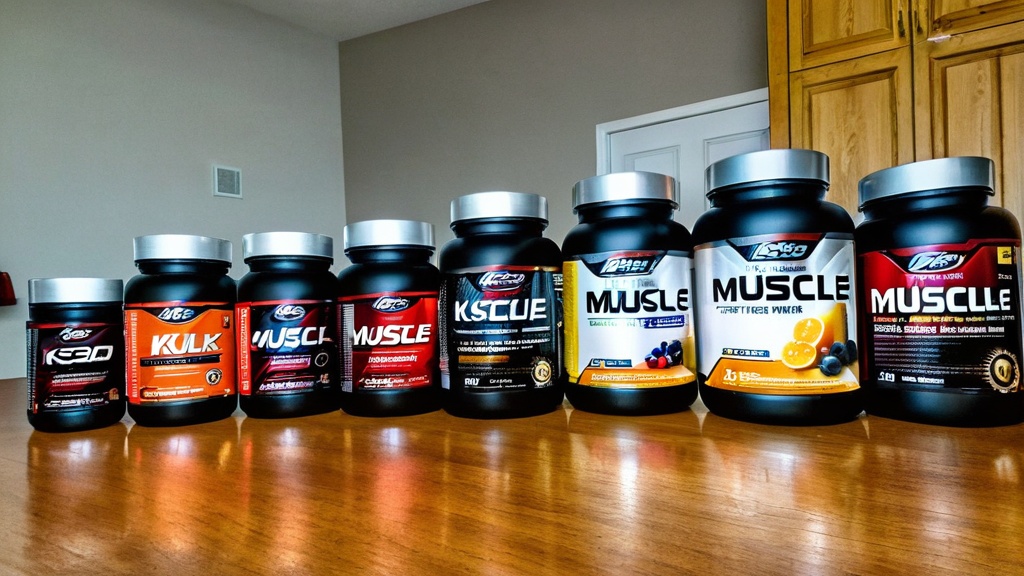
Whey protein stands out as one of the most popular muscle gain supplements. It contains all essential amino acids, making it a complete protein source. This quality helps promote muscle repair and growth after workouts.
Research shows that whey protein can significantly enhance muscle protein synthesis. Many athletes use it post-workout to maximize recovery. Its quick absorption rate makes it ideal for immediate post-exercise consumption.
Creatine: The Powerhouse Supplement
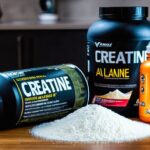
Creatine is another well-researched supplement for muscle gain. It helps increase the availability of ATP, the energy currency of cells. This boost in energy allows for more intense workouts and improved performance.
Studies indicate that creatine supplementation can lead to significant gains in strength and muscle mass. Many athletes incorporate it into their training regimens for optimal results. Its effectiveness makes it a staple in the fitness community.
BCAAs: Building Blocks of Muscle
| Supplement | Effectiveness | Recommended Dosage | Key Benefits | Scientific Ranking |
|---|---|---|---|---|
| Creatine Monohydrate | High | 3-5 grams daily | Increases strength, muscle mass, and recovery | 1 |
| Whey Protein | High | 20-30 grams post-workout | Supports muscle repair and growth | 2 |
| Beta-Alanine | Moderate | 2-5 grams daily | Improves muscular endurance and reduces fatigue | 3 |
| Branched-Chain Amino Acids (BCAAs) | Moderate | 5-10 grams before or during workouts | Reduces muscle soreness and supports recovery | 4 |
| HMB (Beta-Hydroxy Beta-Methylbutyrate) | Moderate | 3 grams daily | Prevents muscle breakdown and promotes growth | 5 |
| Vitamin D | Moderate | 1000-4000 IU daily | Supports muscle function and strength | 6 |
| Omega-3 Fatty Acids | Low to Moderate | 1-3 grams daily | Reduces inflammation and supports muscle recovery | 7 |
Branched-chain amino acids (BCAAs) play a crucial role in muscle growth. They consist of three essential amino acids: leucine, isoleucine, and valine. These amino acids help stimulate protein synthesis and reduce muscle soreness.
Supplementing with BCAAs can enhance recovery after intense workouts. Many athletes find that they experience less fatigue and quicker recovery times. This makes BCAAs a popular choice among those looking to build muscle.
Beta-Alanine: Enhancing Endurance
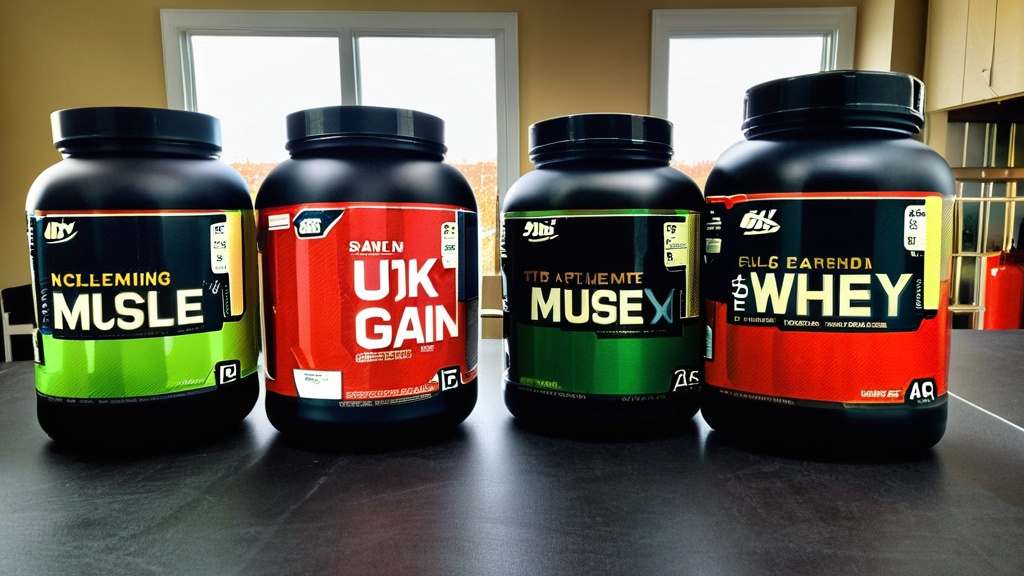
Beta-alanine is known for its ability to improve endurance during workouts. It increases carnosine levels in muscles, which helps buffer acid buildup. This buffering effect can delay fatigue and enhance overall performance.
Research shows that beta-alanine supplementation can lead to improved exercise capacity. Athletes often use it to push through tough training sessions. Its ability to enhance endurance makes it a valuable addition to any supplement stack.
HMB: Muscle Preservation Supplement
HMB, or beta-hydroxy-beta-methylbutyrate, is a metabolite of leucine. It plays a role in reducing muscle breakdown during intense training. This makes HMB particularly beneficial for those undergoing rigorous workout regimens.
Studies suggest that HMB supplementation can help preserve lean muscle mass. It may also aid in recovery after strenuous exercise.
L-Citrulline: Boosting Nitric Oxide Production
L-citrulline is an amino acid that enhances nitric oxide production in the body. Increased nitric oxide levels improve blood flow and nutrient delivery to muscles. This can lead to better performance during workouts.
Research indicates that L-citrulline supplementation can reduce fatigue and improve endurance. Many athletes take it before workouts for enhanced performance. Its ability to boost blood flow makes it a popular choice among fitness enthusiasts.
Vitamin D: Essential for Muscle Function
Vitamin D plays a critical role in overall health, including muscle function. It helps regulate calcium levels, which are vital for muscle contractions. Adequate vitamin D levels support optimal muscle performance.
Research shows that low vitamin D levels can negatively impact strength and muscle mass. Many people may not get enough sunlight exposure to maintain adequate levels. Supplementing with vitamin D can help support muscle health and function.
Omega-3 Fatty Acids: Supporting Muscle Recovery
Omega-3 fatty acids are known for their anti-inflammatory properties. They play a significant role in supporting muscle recovery after exercise. These healthy fats can help reduce soreness and improve joint health.
Studies suggest that omega-3 supplementation may enhance muscle protein synthesis as well. Athletes often include omega-3s in their diets for overall health benefits. Their ability to support recovery makes them an essential part of a balanced supplement regimen.
The Future of Muscle Gain Supplements
The landscape of muscle gain supplements continues to evolve. New research constantly uncovers innovative ingredients and formulations. As science advances, we can expect even more effective products to emerge.
Understanding the benefits of various supplements empowers individuals to make informed choices. Combining proper nutrition with effective supplementation can lead to optimal results. The future looks promising for those seeking to enhance their muscle-building journey through science-backed supplements.
FAQs
What are the most effective supplements for muscle gain according to recent scientific research?
The most effective supplements for muscle gain, supported by scientific research, typically include whey protein, creatine monohydrate, branched-chain amino acids (BCAAs), beta-alanine, and HMB (beta-hydroxy-beta-methylbutyrate). These supplements have been shown to enhance muscle protein synthesis, improve strength, and support recovery.
How does whey protein help with muscle gain?
Whey protein is a high-quality protein source rich in essential amino acids, particularly leucine, which stimulates muscle protein synthesis. Consuming whey protein after workouts can help repair and build muscle tissue, making it a popular supplement for muscle gain.
Is creatine safe and effective for building muscle?
Yes, creatine monohydrate is one of the most extensively studied supplements and is considered safe and effective for increasing muscle mass and strength. It works by increasing the availability of ATP, the primary energy source for muscle contractions, allowing for improved performance during high-intensity exercise.
Can BCAAs alone promote muscle growth?
While BCAAs (leucine, isoleucine, and valine) play a role in muscle protein synthesis, consuming them alone is less effective than consuming complete protein sources. BCAAs can help reduce muscle soreness and support recovery but are best used in conjunction with a balanced diet or protein supplementation.
What role does beta-alanine play in muscle gain?
Beta-alanine helps increase muscle carnosine levels, which can buffer acid in muscles during high-intensity exercise. This can improve exercise performance and delay fatigue, indirectly supporting muscle growth by allowing for more intense and longer training sessions.
Are there any supplements to avoid for muscle gain?
Supplements with little to no scientific backing, such as certain proprietary blends or unregulated products, should be approached with caution. It’s important to avoid supplements with banned substances, excessive stimulants, or those that lack transparency in ingredient labeling.
How important is diet compared to supplements for muscle gain?
Diet plays a crucial role in muscle gain, often more important than supplements. Adequate protein intake, calorie surplus, and balanced nutrition are foundational. Supplements are intended to complement a well-structured diet and training program, not replace them.
When should I take muscle gain supplements for best results?
Timing can vary by supplement. Whey protein is often consumed post-workout to maximize muscle protein synthesis. Creatine can be taken any time of day but is commonly taken pre- or post-workout. Beta-alanine requires consistent daily intake to build muscle carnosine levels. Following manufacturer guidelines and consulting with a healthcare professional is recommended.
Are muscle gain supplements suitable for everyone?
Most muscle gain supplements are safe for healthy adults but may not be suitable for individuals with certain medical conditions, allergies, or those who are pregnant or breastfeeding. It is advisable to consult a healthcare provider before starting any new supplement regimen.
Can supplements replace the need for strength training in muscle gain?
No, supplements cannot replace strength training. Muscle gain requires progressive resistance training to stimulate muscle growth. Supplements support this process but are ineffective without consistent exercise and proper nutrition.