Imagine a tiny nutrient, powerful enough to supercharge your well-being. This little hero is omega-3 fatty acids. They play a vital role in your body’s daily functions. Let’s explore how a smart supplement stack can unlock these benefits.
Omega-3s are essential fats. Your body cannot produce them. You must get them from food or supplements. They are crucial for cell membranes.
Three main types exist. EPA (eicosapentaenoic acid) and DHA (docosahexaenoic acid) are found in seafood. ALA (alpha-linolenic acid) comes from plant sources. Each type offers unique health advantages.
The Power of EPA and DHA
EPA and DHA are highly bioavailable. This means your body uses them easily. They are vital for brain health. They also support heart function.
Research strongly links EPA and DHA to reduced inflammation. Chronic inflammation contributes to many illnesses. Think of it like a constant low-grade fire in your body. Omega-3s help put out that fire.
A study in The New England Journal of Medicine highlights their cardiovascular benefits. It shows a reduced risk of major cardiac events. This is significant for heart health.
ALA: Plant-Based Omega-3
ALA is found in flaxseed, chia seeds, and walnuts. Your body converts some ALA into EPA and DHA. However, this conversion rate is often low. It’s usually less than 10%.
Therefore, relying solely on ALA might not provide enough EPA and DHA. Vegetarians and vegans often need to consider this. They may benefit from direct EPA/DHA sources. Algal oil is a good option.
The American Journal of Clinical Nutrition discusses ALA’s role. It emphasizes its importance for overall health. However, it also notes the conversion limitations.
If you’re interested in optimizing your health and fitness regimen, you might want to explore the benefits of an omega-3 supplement stack. A related article that delves deeper into the advantages of omega-3 fatty acids, including their role in reducing inflammation and promoting heart health, can be found at this link. This resource provides valuable insights that can help you make informed decisions about incorporating omega-3 supplements into your diet.
Benefits Beyond the Basics
Omega-3s offer widespread health improvements. They impact many bodily systems. Their anti-inflammatory properties are key. This foundation supports various functions.
Consider someone experiencing joint stiffness. Omega-3s could help reduce that discomfort. Or imagine a student needing better focus. These fats support cognitive function.
Heart Health and Circulation
Omega-3s significantly benefit your heart. They help maintain healthy blood pressure. They also support healthy cholesterol levels. This reduces hardening of the arteries.
They contribute to steady heartbeat rhythms. Irregular heartbeats can be risky. Omega-3s help keep your electrical system in sync. This is crucial for long-term health.
The American Heart Association recommends omega-3s. They endorse their role in cardiovascular protection. This is based on extensive research.
Brain Power and Mental Well-being
Your brain is primarily fat. DHA is a major component. It is vital for brain structure. It also supports brain function. This impacts memory and learning.
Studies show omega-3s can improve mood. They may help reduce feelings of sadness. This has a positive impact on daily life. Think of them as brain fuel.
A review in JAMA Psychiatry noted positive effects. It linked omega-3s to better mental health outcomes. This suggests a valuable role in mental wellness.
Joint Comfort and Mobility
Inflammation contributes to joint pain. Omega-3s reduce inflammatory markers. This can ease stiffness and discomfort. It improves daily mobility.
Someone with an active lifestyle benefits greatly. These fats support joint resilience. They help maintain tissue health. This is important for sustained activity.
The Annals of the Rheumatic Diseases has published research. It confirms omega-3’s anti-inflammatory impact on joints. This offers hope for those with chronic pain.
Skin Health and Appearance
Omega-3s contribute to skin integrity. They help maintain a strong skin barrier. This protects against environmental damage. It keeps skin hydrated.
They can reduce skin redness. They also promote a smoother complexion. This contributes to a healthy glow. Think of them as internal moisturizers.
Research in the Journal of the American Academy of Dermatology confirms these effects. It highlights the role of omega-3s in skin health. This is a noticeable benefit.
Building Your Optimal Omega-3 Stack
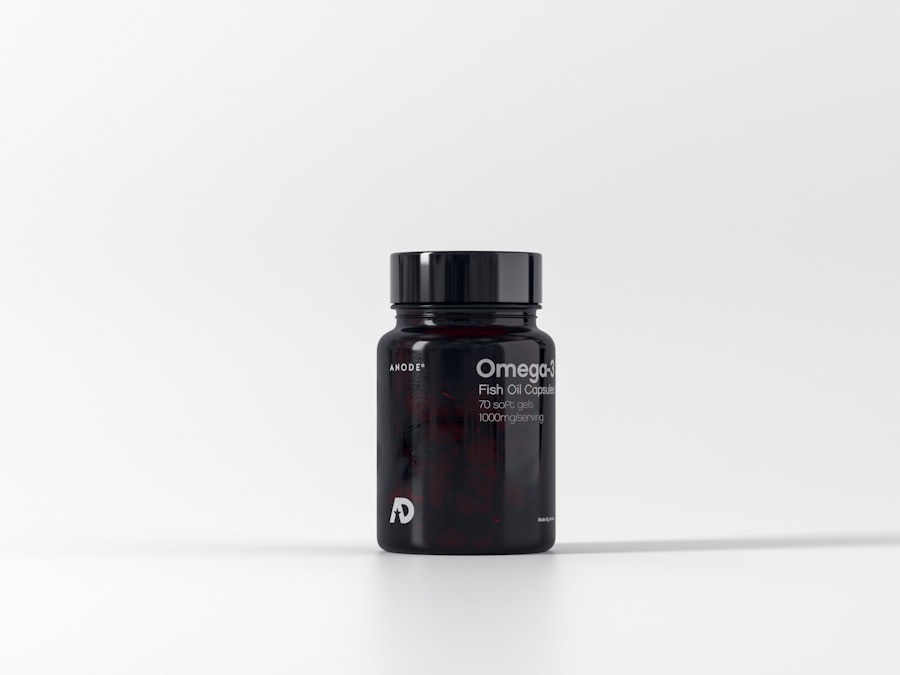
Choosing the right omega-3 supplement is crucial. Not all supplements are equal. Quality and purity matter greatly. Look for third-party testing.
Consider your dietary habits. Do you eat fatty fish regularly? If not, supplementation becomes more important. Tailor your stack to your needs.
Quality and Purity First
Source matters significantly. Look for labels indicating purity. Heavy metals like mercury are a concern. Reputable brands test for these contaminants.
Certifications like IFOS (International Fish Oil Standards) are excellent. They guarantee quality and purity. This gives you peace of mind. Investing in quality protects your health.
Avoid low-cost, unverified brands. Their claims may not be accurate. Impure supplements can do more harm than good. Always prioritize safety.
Dosage Recommendations
Dosage varies based on individual needs. General recommendations exist. For most adults, 250-500 mg of combined EPA and DHA is common. This is for general health maintenance.
Those with specific health concerns might need more. Discuss this with a healthcare professional. They can provide personalized advice. Do not exceed recommended doses without guidance.
The National Institutes of Health provides guidelines. They stress the importance of adequate intake. They also highlight potential risks of extremely high doses.
Forms of Omega-3 Supplements
Omega-3s come in various forms. Triglyceride form is highly absorbable. This is the natural form found in fish. It is often preferred.
Ester forms are also common. These are processed. They may be slightly less bioavailable. However, they are still effective. Check the supplement label for the form.
Algal oil provides plant-based EPA and DHA. It is excellent for vegans. This source avoids fish entirely. It offers the same benefits.
Storage and Shelf Life
Omega-3s can oxidize. Light and heat degrade them. Store supplements in a cool, dark place. The refrigerator is an ideal spot.
Check the expiration date. Rancid omega-3s are ineffective. They can even be harmful. Always ensure freshness. A fishy smell is a warning sign.
Integrating Omega-3s into Your Lifestyle
Supplements complement a healthy lifestyle. They don’t replace it. A balanced diet remains fundamental. Regular exercise is also crucial.
Think of your omega-3 stack as a powerful addition. It enhances your efforts. It provides a foundational nutrient. This nutrient supports your overall well-being.
Diet and Food Sources
Aim to consume fatty fish twice a week. Salmon, mackerel, and sardines are excellent choices. They provide ample EPA and DHA. This is the natural way to get omega-3s.
Plant-based sources like flaxseeds are good for ALA. Add them to smoothies or oatmeal. Walnuts are another great snack. Incorporate these regularly.
A healthy eating pattern lays the groundwork. Supplements then fill the gaps. This combined approach is most effective. It ensures comprehensive nutrient intake.
Complementary Nutrients
Other nutrients enhance omega-3 benefits. Vitamin D often works alongside omega-3s. Both support immune function. They also impact mood.
Magnesium is another key player. It is involved in many body processes. It supports heart and brain health. Many people are deficient in magnesium.
Consider a multivitamin for overall support. It ensures you don’t miss other essentials. A holistic approach to nutrition is always best. It provides a strong health foundation.
When to Consult a Professional
Before starting new supplements, consult a doctor. This is especially true if you have existing conditions. It’s also important if you take medications.
Omega-3s can interact with blood thinners. They can increase bleeding risk. Your doctor can assess these interactions. They ensure your safety.
A healthcare professional provides personalized guidance. They consider your unique health profile. This ensures your supplement plan is safe and effective. Don’t self-diagnose or self-treat.
When considering the benefits of an omega-3 supplement stack, it’s essential to explore various resources that provide insights into its effectiveness and potential health advantages. One such article discusses the role of omega-3 fatty acids in supporting heart health and cognitive function, making it a valuable read for anyone interested in optimizing their supplement regimen. You can find more information in this related article that delves into the science behind omega-3s and their impact on overall wellness.
Addressing Common Concerns
| Supplement | Omega-3 Content | Serving Size | Price |
|---|---|---|---|
| Fish Oil | 1000mg | 1 softgel | 15 |
| Flaxseed Oil | 1200mg | 1 tablespoon | 20 |
| Algal Oil | 600mg | 2 capsules | 25 |
Many questions arise about omega-3s. Let’s tackle some frequently asked ones. Clear information empowers informed choices. Avoid misinformation.
Fishy Burps and How to Avoid Them
Some people experience fishy burps. This is a common side effect. Taking supplements with food can help. Splitting doses throughout the day also works.
Enteric-coated capsules are another solution. These dissolve in the intestine, not the stomach. This prevents the fishy aftertaste. Look for this on the label.
Freezing capsules briefly before taking them can also work. This delays their digestion. Experiment to find what works best for you.
Potential Interactions and Side Effects
Omega-3s are generally safe. High doses can thin the blood. This is why doctor consultation is vital. Especially if you take blood thinners.
Minor stomach upset can occur. Nausea or diarrhea are possible. Reducing the dose or taking with food often resolves this. These effects are usually mild.
Allergies to fish or shellfish are a concern. If you have such allergies, avoid fish oil. Algal oil is a safe alternative. Always check ingredients.
Sustainable Sourcing
The health of our oceans matters. Choose sustainably sourced omega-3s. Look for certifications like Friend of the Sea. This supports responsible fishing practices.
Sustainable aquaculture is another option. Some brands are transparent about their sourcing. Support companies committed to environmental stewardship. This benefits both you and the planet.
This ensures a long-term supply of these vital nutrients. It also protects marine ecosystems. Making ethical choices is part of holistic wellness.
Omega-3 supplements have gained popularity for their numerous health benefits, particularly in supporting heart and brain health. For those interested in optimizing their supplement regimen, exploring an effective omega-3 supplement stack can be beneficial. A related article that delves deeper into this topic can be found at The Muscle Group, where you can discover insights on how to combine omega-3s with other supplements for enhanced performance and overall well-being.
The Long-Term Impact
Consistent omega-3 intake offers sustained benefits. It’s not a quick fix. Think of it as a long-term investment. Your body builds on these nutrients over time.
Regular supplementation supports chronic health. It helps maintain optimal function. This contributes to a healthier aging process. It promotes vitality year after year.
Remember the example of the constant low-grade fire (inflammation). Consistent omega-3s keep that fire tamped down. This prevents many issues from even starting.
Your daily choices create your future health. Integrating omega-3s is a powerful choice. It supports your body’s complex needs. Embrace this essential nutrient for a thriving life.
FAQs
What are omega-3 supplement stacks?
Omega-3 supplement stacks are combinations of different omega-3 fatty acids, such as EPA (eicosapentaenoic acid) and DHA (docosahexaenoic acid), often found in fish oil, krill oil, or algae oil supplements. These stacks are designed to provide a balanced and comprehensive source of omega-3 fatty acids.
What are the benefits of omega-3 supplement stacks?
Omega-3 supplement stacks have been associated with numerous health benefits, including supporting heart health, reducing inflammation, improving cognitive function, and promoting overall well-being. They are also known for their potential to support joint health and improve skin conditions.
How should omega-3 supplement stacks be taken?
The recommended dosage of omega-3 supplement stacks can vary depending on individual health needs and the specific product. It is important to follow the instructions provided on the supplement packaging or consult with a healthcare professional for personalized guidance.
Are there any potential side effects of omega-3 supplement stacks?
In general, omega-3 supplement stacks are considered safe for most people when taken at recommended dosages. However, some individuals may experience mild side effects such as fishy aftertaste, gastrointestinal discomfort, or allergic reactions. It is important to consult with a healthcare professional before starting any new supplement regimen.
Who can benefit from taking omega-3 supplement stacks?
Omega-3 supplement stacks can be beneficial for individuals who do not consume enough omega-3 fatty acids through their diet, such as those who do not regularly eat fish or other sources of omega-3s. They may also be beneficial for individuals looking to support heart health, brain function, joint health, and overall wellness.