
After a tough workout, your muscles need repair. What you eat before bed significantly impacts this. Fueling your body right overnight helps you wake up stronger. Let’s explore the best nighttime snacks for muscle recovery.
Muscle protein synthesis (MPS) is crucial for growth. It rebuilds damaged muscle fibers. This process continues even while you sleep. Eating protein before bed can boost MPS.
This helps repair tears from exercise. It prepares your muscles for your next session. Think of it like a nightly construction crew for your body.
A study in Medicine & Science in Sports & Exercise showed pre-sleep protein intake benefits muscle recovery. It enhances muscle repair and growth overnight. This makes your sleep more productive.
Why Before-Bed Nutrition Matters
Your body works overtime at night. Sleep is a prime time for repair. Nutrient timing plays a big role. It’s not just what you eat, but when.
Skipping an evening snack can hinder recovery. Your muscles might lack essential building blocks. Imagine trying to build a house with no bricks.
Research published in the Journal of the International Society of Sports Nutrition highlights this. Consuming protein before bed optimizes muscle adaptations. This supports gains and reduces soreness.
When you sleep, your body enters a fasting state. This can lead to muscle breakdown. A bedtime snack provides a steady supply of nutrients. It acts as an anti-catabolic agent.
Top Protein Sources for Nighttime
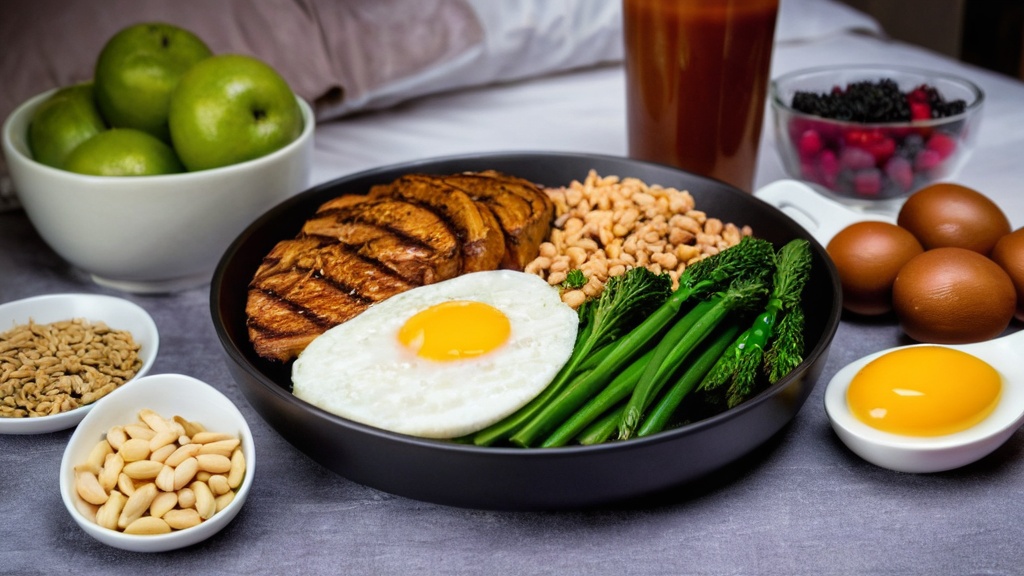
Protein is king for muscle repair. Different proteins offer unique benefits. Slow-digesting proteins are especially good before bed. They deliver amino acids gradually.
Casein Protein
Casein is a dairy-derived protein. It digests slowly. This provides a sustained amino acid release. Imagine a slow-drip IV for your muscles.
Many studies confirm casein’s benefits. A 2012 study in Medicine & Science in Sports & Exercise found casein ingestion before sleep boosts MPS. It helps recovery and strength adaptations.
You can find casein in cottage cheese or Greek yogurt. A scoop of casein protein powder works too. It’s a versatile and effective choice.
Greek Yogurt
Greek yogurt is a fantastic option. It’s packed with casein protein. It also contains probiotics for gut health. A healthy gut aids nutrient absorption.
A single serving can provide 15-20 grams of protein. It’s a convenient and tasty snack. Add some berries for extra antioxidants and flavor.
The thickness of Greek yogurt comes from straining. This concentrates the protein content. Choose plain, unsweetened varieties to avoid added sugars.
Cottage Cheese
Cottage cheese is another excellent casein source. It’s also rich in calcium. Calcium is important for muscle function. It helps with muscle contraction.
One cup can offer over 25 grams of protein. Its curds provide a slow release. This makes it ideal for overnight repair.
Enjoy it plain, or with sliced fruit. A sprinkle of cinnamon adds warmth. It’s a simple, effective recovery food.
Skim Milk
Skim milk offers both casein and whey protein. Whey digests quickly, casein slowly. This provides immediate and sustained amino acids. It’s like a blended protein shake from nature.
A glass of skim milk offers about 8 grams of protein. It’s also rich in electrolytes. Electrolytes help with hydration and muscle function.
A study published in the American Journal of Clinical Nutrition showed milk’s superior recovery benefits. It can replenish fluids and promote MPS. It’s a classic, affordable choice.
The Role of Healthy Fats and Carbohydrates
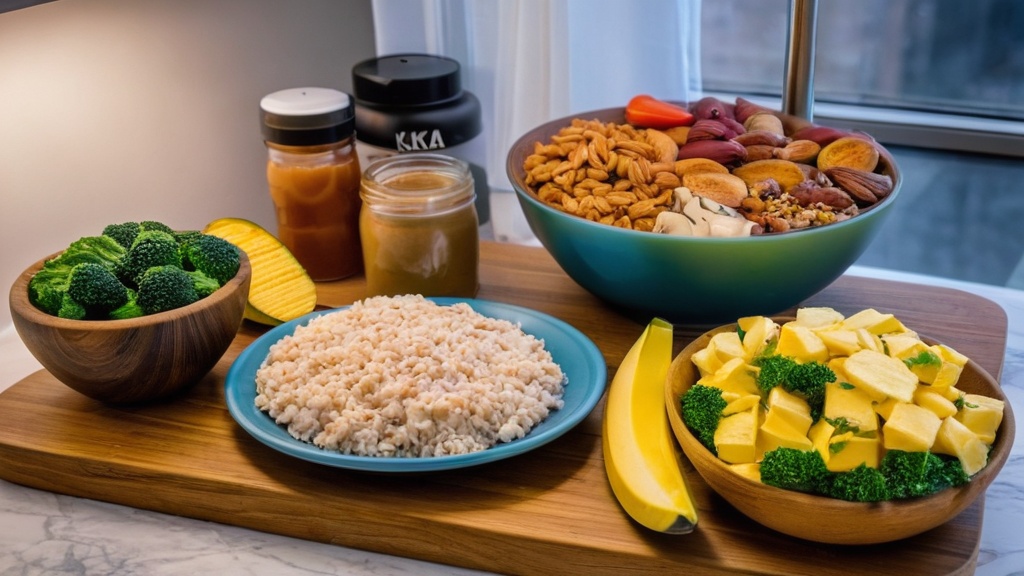
While protein takes center stage, don’t forget other macronutrients. Healthy fats and complex carbohydrates also support recovery. They offer energy and nutrient absorption.
Healthy Fats
Avocado and nuts provide healthy fats. These slow digestion even further. This ensures a steady nutrient supply. They also reduce inflammation.
Monounsaturated fats are heart-healthy. They support overall wellbeing. Your body needs these fats for many functions.
A small handful of almonds or half an avocado are great choices. They add satiety and nutritional value. Just be mindful of portion sizes due to calorie density.
Omega-3 fatty acids, found in fatty fish, are excellent. They have anti-inflammatory properties. Reduced inflammation means faster recovery.
Complex Carbohydrates
Sweet potatoes and whole grains offer complex carbs. These replenish glycogen stores. Glycogen is your muscle’s primary fuel. Low stores can impact your next workout.
Carbs also help transport protein into muscle cells. This enhances protein synthesis. Think of carbs as the delivery truck for your protein.
A small serving of oats or a whole-wheat cracker with protein completes your snack. These provide sustained energy. They prevent your body from breaking down muscle for fuel.
According to the Journal of Applied Physiology, carbohydrate intake can optimize muscle glycogen resynthesis. This is key for sustained performance. Don’t fear carbs before bed, especially after tough training.
Antioxidants and Micronutrients for Support
| Food | Benefits |
|---|---|
| Greek Yogurt | High in protein and helps with muscle recovery |
| Cottage Cheese | Slow-digesting protein that can prevent muscle breakdown |
| Casein Protein Shake | Slow-digesting protein that can support muscle growth during sleep |
| Almonds | Good source of healthy fats and protein for muscle repair |
| Chicken Breast | Lean protein that can support muscle recovery and growth |
Beyond macros, micronutrients are vital. Vitamins, minerals, and antioxidants play supporting roles. They help reduce oxidative stress and inflammation.
Berries
Berries are packed with antioxidants. These fight free radicals produced during exercise. Free radicals can cause muscle damage. Berries protect your cells.
Blueberries, raspberries, and strawberries are excellent choices. They add natural sweetness. They also provide fiber, aiding digestion.
A study in the Journal of Agricultural and Food Chemistry showed berry consumption reduces exercise-induced muscle damage. This helps speed up recovery. They are a delicious addition.
Tart Cherry Juice
Tart cherry juice offers powerful anti-inflammatory benefits. It also aids sleep quality. Poor sleep hinders recovery. This juice helps you rest well.
Numerous studies support its effectiveness. A review in the Scandinavian Journal of Medicine & Science in Sports highlighted its role. It reduces muscle soreness and speeds recovery.
Drink a small glass 30-60 minutes before bed. Ensure it’s 100% tart cherry juice, not a sugary blend. It’s a natural sleep and recovery aid.
Leafy Greens
Spinach, kale, and other leafy greens are nutrient powerhouses. They provide magnesium, potassium, and various vitamins. These micronutrients support muscle function and relaxation.
Magnesium, for example, is critical for muscle relaxation. It can help prevent nighttime cramps. Deficiencies can impair recovery.
Consider adding a small amount to a smoothie. Or enjoy a small salad with your evening meal. They boost your overall nutrient intake significantly.
Putting It All Together: Sample Bedtime Snacks
Creating an effective bedtime snack is easy. Focus on protein, add some healthy fats or complex carbs. Don’t forget those beneficial micronutrients.
Greek Yogurt with Berries and Nuts
This offers casein, antioxidants, and healthy fats. It’s a perfect balanced snack. The nuts also add extra protein.
Mix a cup of plain Greek yogurt. Add half a cup of mixed berries. Sprinkle with a tablespoon of almonds. This combination covers all bases.
The protein from yogurt helps repair muscles. Berries fight inflammation. Almonds provide healthy fats and sustained energy.
Cottage Cheese with Sliced Avocado
A unique but effective pairing. Cottage cheese provides slow-release protein. Avocado offers monounsaturated fats. This keeps you full and fueled.
Take half a cup of cottage cheese. Slice a quarter of an avocado on top. A pinch of black pepper can enhance flavor.
This snack is rich in casein and healthy fats. It promotes satiety and steady nutrient delivery. It also tastes surprisingly good together.
Casein Protein Shake with Tart Cherry Juice
For a quick, easy liquid option. This combines pure casein with powerful antioxidants. It’s ideal after very intense workouts.
Blend one scoop of casein protein powder. Use water or skim milk. Mix with half a cup of tart cherry juice.
This provides concentrated protein for MPS. Tart cherry juice helps with inflammation and sleep. It’s a convenient, fast-acting solution.
Whole-Wheat Toast with Peanut Butter and Skim Milk
This offers a mix of complex carbs, protein, and healthy fats. It’s comforting and effective. The milk adds extra casein.
Toast one slice of whole-wheat bread. Spread with one tablespoon of natural peanut butter. Enjoy with a glass of skim milk.
The whole-wheat toast replenishes glycogen. Peanut butter provides protein and healthy fats. Skim milk delivers a blend of proteins.
Oatmeal with Protein Powder and Chia Seeds
A warm, satisfying option. Oats provide complex carbs. Protein powder boosts protein content. Chia seeds add healthy fats and fiber.
Cook half a cup of rolled oats with water or milk. Stir in half a scoop of your favorite protein powder (casein is ideal). Top with a tablespoon of chia seeds.
This snack is hearty and provides sustained energy. It prevents hunger and supports muscle repair overnight. It’s also very customizable.
Tips for Optimal Nighttime Recovery
Beyond food, several habits enhance recovery. Consider these to maximize your efforts. They complement your diet effectively.
Timing Your Snack
Eat your bedtime snack 30-60 minutes before sleep. This allows for initial digestion. Your body can then maximize nutrient absorption.
Don’t eat right before lying down. This can cause discomfort or indigestion. Give your body time to process the food.
Eating too early might leave you hungry later. Find the sweet spot that works for your body. Consistency is key.
Portion Control
Moderation is crucial. Too large a snack can disrupt sleep. Excess calories contribute to fat gain. Focus on density, not volume.
A small, nutrient-rich snack is best. Aim for 20-30 grams of protein. Balance with modest amounts of carbs and fats.
Listen to your body. Adjust portions based on your training intensity and goals. Your needs may vary day to day.
Hydration
Stay well-hydrated throughout the day. Dehydration hinders muscle function and recovery. Water supports all bodily processes.
Drink water consistently, not just at meals. A glass of water before bed is also beneficial. Avoid sugary drinks.
The European Journal of Clinical Nutrition emphasizes water’s role. It is vital for nutrient transport and waste removal. It keeps your body running smoothly.
Prioritize Sleep
Quality sleep is non-negotiable for recovery. Aim for 7-9 hours per night. Food helps, but sleep is paramount.
Set a consistent sleep schedule. Create a relaxing bedtime routine. Turn off electronics an hour before bed.
The National Sleep Foundation stresses sleep’s importance. It’s when growth hormone is released. This hormone is crucial for muscle repair and growth.
Avoid Processed Foods and Excessive Sugar
These offer little nutritional value. They can cause inflammation and hinder recovery. Stick to whole, unprocessed foods.
Sugary snacks can spike blood sugar. This can disrupt sleep patterns. Choose natural sweetness from fruits.
Processed foods often contain unhealthy fats and additives. They actively work against your recovery goals. Be mindful of food labels.
Conclusion
Fueling your body with the right foods before bed is a game-changer. It optimizes muscle repair, reduces soreness, and prepares you for success. Prioritize protein, healthy fats, and smart carbs. Combine these with good sleep and hydration. You’ll wake up feeling stronger and ready to conquer your next challenge. Make your sleep work for you!
FAQs
What are the best foods to eat before bed for muscle recovery?
Some of the best foods to eat before bed for muscle recovery include cottage cheese, Greek yogurt, casein protein, and a small serving of lean meat or fish. These foods are high in protein and slow-digesting, which can help support muscle repair and growth during sleep.
Is it okay to eat carbohydrates before bed for muscle recovery?
Eating carbohydrates before bed can actually be beneficial for muscle recovery. Consuming complex carbohydrates, such as sweet potatoes or quinoa, can help replenish glycogen stores in the muscles and provide a steady source of energy during sleep.
Are there any foods to avoid before bed for muscle recovery?
Foods high in sugar and saturated fats should be avoided before bed for muscle recovery. These types of foods can lead to a spike in blood sugar levels and may interfere with the body’s ability to properly recover and repair muscles during sleep.
How soon before bed should I eat for muscle recovery?
It’s generally recommended to eat a small meal or snack containing protein and carbohydrates about 30 minutes to an hour before bed for muscle recovery. This allows enough time for digestion and nutrient absorption before sleep.
Can drinking a protein shake before bed help with muscle recovery?
Yes, drinking a protein shake before bed can help with muscle recovery. Casein protein, in particular, is a slow-digesting protein that can provide a sustained release of amino acids to the muscles throughout the night, supporting muscle repair and growth.