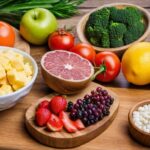
Want to build muscle, but eat plants? You totally can! Forget old myths. Plant-based eating fuels incredible strength. We’ll show you how to get big and strong, the plant-powered way.
Going plant-based offers unique benefits. It supports muscle growth effectively. Many athletes thrive on this diet.
Health Advantages Beyond Muscle
A plant-based diet improves overall health. It reduces chronic disease risk. Studies show lower rates of heart disease. It can also manage blood pressure.
Plant foods are rich in antioxidants. These compounds fight cell damage. This helps with muscle recovery. Healthier bodies recover faster.
Environmental Impact
Eating plants benefits the planet. It lowers your carbon footprint. Livestock farming uses many resources. Choosing plants helps reduce this. It’s a sustainable way to eat.
Essential Nutrients for Plant-Based Muscle Building
Building muscle requires focused nutrition. You need enough protein, carbs, and fats. Each plays a vital role. Don’t overlook micronutrients either.
Protein Power: Getting Enough on Plants
Protein is crucial for muscle repair. You need adequate amounts daily. Many plant sources offer complete protein profiles. Combine different sources throughout the day.
Harvard Health Publishing highlights plant proteins. Examples include lentils, beans, and tofu. Aim for 1.6-2.2 grams per kilogram of body weight. This supports muscle synthesis.
Excellent Plant Protein Sources
Black beans are a great option. One cup cooked provides 15 grams of protein. They also offer fiber and iron. Add them to tacos or salads.
Lentils are another powerhouse. A cup of cooked lentils has 18 grams of protein. They are versatile for stews or soups. Lentil pasta is also available.
Tofu and tempeh are soy products. They are complete proteins. Tofu takes on flavors well. Tempeh has a firmer texture. One serving provides substantial protein.
Seitan is made from wheat gluten. It has a meat-like texture. It offers high protein content. Check for gluten sensitivity first.
Edamame (soybeans) are snack-friendly. They provide protein and fiber. Enjoy them steamed or in stir-fries. Half a cup has around 11 grams of protein.
Nuts and seeds contain protein. Almonds, walnuts, and chia seeds are good choices. Sprinkle them on yogurt or oatmeal. A quarter cup of almonds has 6 grams.
Plant-based protein powders are convenient. Pea protein, rice protein, and hemp protein are popular. Add them to smoothies for an easy boost. This helps meet daily targets.
Carbohydrates: Fuel for Your Workouts
Carbs provide energy for training. They spare protein for muscle repair. Choose complex carbohydrates. These release energy slowly.
Whole grains are excellent carb sources. Oats, brown rice, and quinoa are good examples. They also provide fiber. Fiber aids digestion and satiety.
Sweet potatoes are nutrient-dense. They offer complex carbs and vitamins. Enjoy them baked or roasted. One medium sweet potato has around 23 grams of carbs.
Fruits are also good carb sources. Apples, bananas, and berries are healthy choices. They provide vitamins and antioxidants. Eat them before or after workouts.
Healthy Fats: Hormones and Recovery
Fats are essential for hormone production. They support overall health. Choose unsaturated fats. These are found in plant sources.
Avocados are rich in healthy fats. They also provide vitamins and fiber. Add them to toast or salads. Half an avocado has about 15 grams of fat.
Nuts and seeds are great fat sources. Almonds, walnuts, and flax seeds are beneficial. They offer omega-3 fatty acids. Omega-3s reduce inflammation.
Olive oil is a healthy cooking fat. Use it in moderation for cooking. It provides monounsaturated fats. Extra virgin olive oil is best.
Crafting Your Plant-Based Muscle Building Meal Plan

Meal planning is crucial for success. It ensures consistent nutrient intake. Prep meals ahead of time. This saves time and prevents unhealthy choices.
Sample Daily Meal Structure
Start your day with a protein-rich breakfast. Oatmeal with protein powder and berries works well. Or try a tofu scramble. Include healthy fats like avocado.
For lunch, focus on complex carbs and protein. A large salad with lentils and quinoa is good. Or a plant-based burger on a whole-wheat bun. Add plenty of vegetables.
Dinner can be similar to lunch. Lentil pasta with marinara sauce. Add some roasted vegetables. Or a bean chili with brown rice. Variety is key.
Snacks are important between meals. They keep energy levels high. Nuts, fruit, and protein shakes are simple options. Hummus with veggie sticks is also good.
Meal Timing and Frequency
Spread your protein intake throughout the day. Aim for 3-5 meals and snacks. This optimizes muscle protein synthesis. Eating every few hours helps.
Consider a post-workout meal or shake. This replenishes glycogen stores. It delivers protein for repair. Consume it within an hour after exercise.
Effective Plant-Based Training Strategies

Training is just as important as diet. You need the right intensity and volume. Focus on progressive overload. This means gradually increasing demands.
Strength Training Principles
Lift heavy weights for muscle growth. Aim for 6-12 repetitions per set. Do 3-5 sets per exercise. Full-body workouts are effective.
Compound exercises are best. Squats, deadlifts, and bench presses work multiple muscles. These stimulate higher muscle growth. Incorporate these into your routine.
Progressive overload is critical. Gradually increase weight, reps, or sets. Your muscles need new challenges. This leads to continuous growth. Track your workouts.
Recovery and Rest
Muscles grow during rest, not during workouts. Prioritize sleep. Aim for 7-9 hours per night. This is essential for hormone regulation.
Active recovery helps too. Light walks or stretching improve blood flow. It can reduce muscle soreness. Don’t overtrain. Listen to your body.
Hydration is also key for recovery. Drink plenty of water throughout the day. Dehydration impairs performance. It also hinders recovery.
Supplements for Plant-Based Athletes
| Plant Based Protein Sources | Protein Content (per 100g) |
|---|---|
| Lentils | 9g |
| Chickpeas | 19g |
| Quinoa | 14g |
| Tofu | 8g |
| Tempeh | 19g |
While whole foods are primary, some supplements help. They can fill nutrient gaps. Always choose third-party tested products. Consult a healthcare professional if unsure.
Key Plant-Based Supplements
Creatine is one of the most researched supplements. It boosts strength and power. It also aids muscle growth. Many studies support its effectiveness.
British Journal of Sports Medicine states creatine benefits. It increases phosphocreatine stores. This helps produce more ATP (energy). Take 3-5 grams daily.
Vitamin B12 is essential for vegans. It’s not naturally present in plants. Deficiency can lead to fatigue. Supplementation is recommended. Take 1000 mcg a few times a week.
Vitamin D supports bone health and immunity. Many people are deficient. Sun exposure helps, but supplements may be needed. Aim for 600-800 IU daily.
Omega-3 fatty acids are important. While flax seeds have ALA, EPA/DHA are crucial. Algae-based supplements provide these. They reduce inflammation.
Plant-based protein powder offers convenience. It helps reach protein targets easily. Pea or rice protein are common choices. Use it post-workout or as a snack.
Iron is another important mineral. Plant sources exist, but absorption varies. Pair iron-rich foods with vitamin C. Consider a supplement if levels are low.
Zinc plays a role in immunity and hormone function. Legumes, nuts, and seeds contain zinc. Some plant-based diets might be lower. Check your intake.
Calcium is vital for bone health. Fortified plant milks are good sources. Leafy greens like kale also provide calcium. Supplement if your intake is low.
Common Myths and Misconceptions
Many myths surround plant-based diets. It’s important to debunk them. Science supports plant-based strength.
“You Can’t Get Enough Protein”
This is a very common myth. We’ve shown many protein sources. Combining different plants provides complete protein. A varied plant-based diet easily meets protein needs.
For example, a meal of rice and beans. Both provide amino acids. Together, they form a complete protein. This is a common Staple in many cultures.
“Plant-Based Diets Lack Nutrients”
A well-planned plant-based diet is nutrient-dense. It provides all necessary vitamins and minerals. Focus on a variety of whole foods. Supplements address specific gaps like B12.
Many plant foods are richer in nutrients. They contain fiber, vitamins, and antioxidants. These are often missing in Western diets. Plant-based eating can be superior.
“You’ll Be Weak and Tire Easily”
Quite the opposite is true. Many elite athletes are plant-based. They perform at peak levels. Their diets provide sustained energy. This fuels intense training sessions.
The documentary “The Game Changers” highlights this. It features strong, successful plant-based athletes. Their performance dispels this myth. You can be strong and energetic.
Your Journey to Plant-Based Muscle
Starting your plant-based muscle journey is exciting. Small changes lead to big results. Be consistent and patient. Your body will adapt and grow.
Practical Tips for Success
Start gradually if new to plant-based. Replace one meal a day first. Then slowly add more plant-based meals. This makes the transition easier.
Experiment with new recipes. Discover delicious plant-based dishes. Online resources and cookbooks are helpful. Enjoy your food.
Track your food intake initially. Use an app to monitor protein. This ensures adequate nutrient consumption. Adjust as needed.
Listen to your body’s signals. Adjust your diet and training. Some days you need more rest. Other days you can push harder.
Find a supportive community. Connect with other plant-based athletes. Sharing experiences and tips helps. Motivation stays high with support.
Educate yourself continuously. Learn about new plant foods. Stay updated on nutrition science. Knowledge empowers your choices.
Remember, consistency is key. Results won’t happen overnight. Stick with your plan. Celebrate small victories along the way. Your plant-based muscle journey will be rewarding.
FAQs
What is plant-based muscle building?
Plant-based muscle building refers to the process of gaining muscle mass and strength through a diet that primarily consists of plant-based foods such as fruits, vegetables, grains, legumes, nuts, and seeds. This approach emphasizes the consumption of plant proteins and other nutrients to support muscle growth and recovery.
Can you build muscle on a plant-based diet?
Yes, it is possible to build muscle on a plant-based diet. Plant-based foods can provide adequate protein, essential amino acids, and other nutrients necessary for muscle growth and repair. With proper planning and attention to nutritional needs, individuals can achieve their muscle-building goals without relying on animal products.
What are some plant-based sources of protein for muscle building?
Plant-based sources of protein for muscle building include tofu, tempeh, seitan, lentils, chickpeas, black beans, quinoa, hemp seeds, chia seeds, and various types of nuts and nut butters. These foods offer a range of essential amino acids and can be incorporated into a well-balanced diet to support muscle development.
Are there any potential challenges with plant-based muscle building?
One potential challenge with plant-based muscle building is ensuring an adequate intake of certain nutrients such as protein, iron, calcium, vitamin B12, and omega-3 fatty acids. It may require careful meal planning and supplementation to meet these needs, especially for individuals who engage in intense physical training.
What are some tips for effective plant-based muscle building?
Some tips for effective plant-based muscle building include consuming a variety of plant-based proteins, incorporating a mix of whole foods and supplements as needed, staying hydrated, getting enough rest and recovery, and working with a healthcare professional or nutritionist to ensure nutritional needs are met. Additionally, focusing on progressive resistance training and adequate calorie intake can support muscle growth on a plant-based diet.