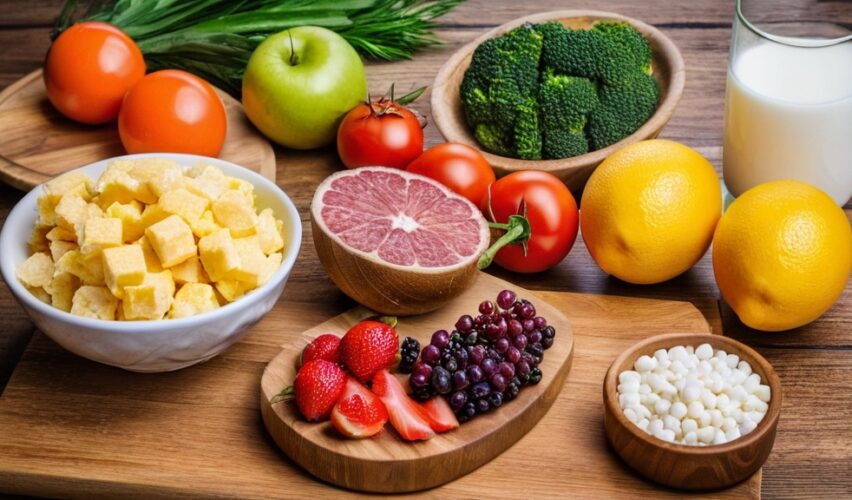
Ever felt that post-workout ache? That stiffness after a tough gym session? You are not alone; it is called Delayed Onset Muscle Soreness (DOMS). While common, you do not have to just grin and bear it. In fact, specific foods can significantly help your recovery.
The Science Behind Sore Muscles
Working out creates tiny tears in muscle fibers. Your body then repairs these microscopic damages. This repair process leads to inflammation and soreness. This feeling typically peaks 24 to 72 hours after exercise.
Good nutrition plays a vital role here. It fuels your body’s recovery mechanisms. Eating the right foods can speed up muscle repair. It also reduces inflammation and pain.
Understanding DOMS
DOMS is not a sign of a bad workout. It shows your muscles adapted and grew stronger. However, severe DOMS can hinder your next workout. It can affect your overall training consistency. Managing DOMS effectively is key for progress.
This article explores seven foods for DOMS. These choices provide essential nutrients. They support muscle repair and reduce inflammation. Incorporating them can make your recovery smoother.
Protein is paramount for muscle recovery. It supplies amino acids, the building blocks for new muscle tissue. Consuming protein after exercise kickstarts this repair process.
Why Protein Matters Most
After strenuous activity, muscle protein breakdown increases. Eating protein helps reverse this. It shifts your body into an anabolic (muscle-building) state. This reduces recovery time. Research published in the Journal of the International Society of Sports Nutrition highlights this. It shows protein intake enhances muscle repair.
Lean Meats and Poultry
Lean meats like chicken breast and turkey are excellent choices. They provide complete proteins. This means they contain all nine essential amino acids. These amino acids are crucial for muscle synthesis. A 3-ounce serving of chicken offers about 25 grams of protein.
- Example: Imagine your muscles are like a damaged wall. Protein is the brick. You need enough bricks to fix the wall properly.
- Actionable Tip: Aim for 20-30 grams of protein post-workout. This provides a good amino acid flush.
Fish and Seafood
Fatty fish like salmon offer more than just protein. They are rich in omega-3 fatty acids. These fats are potent anti-inflammatory agents. Omega-3s can reduce muscle soreness substantially. A study in Clinical Journal of Sport Medicine showed reduced DOMS with fish oil supplementation.
- Example: Think of omega-3s as a soothing balm for inflammation. They calm irritated muscle tissue.
- Actionable Tip: Try to include salmon or tuna twice a week. It offers a good balance of protein and healthy fats.
Dairy Products
Greek yogurt and cottage cheese are packed with protein. Greek yogurt, in particular, has twice the protein of regular yogurt. It quickly delivers amino acids to muscles. Many varieties also contain probiotics. These support gut health, which can indirectly aid recovery.
- Example: Greek yogurt is like a speedy delivery service for muscle repair. Your muscles get what they need fast.
- Actionable Tip: Enjoy Greek yogurt with fruit after a workout. It is a quick and convenient protein source.
Plant-Based Proteins
For those avoiding animal products, plant-based proteins are excellent. Lentils, beans, tofu, and tempeh are great options. They also provide fiber, which is beneficial for overall health. Combining different plant proteins ensures a complete amino acid profile.
- Example: Combining rice and beans is like a puzzle. Separately, they are missing pieces. Together, they form a complete protein picture.
- Actionable Tip: Explore lentil soup or bean chili. These dishes offer substantial plant-based protein.
2. Anti-Inflammatory Champions
Inflammation is a central part of DOMS. Reducing it helps ease discomfort. Several foods are natural anti-inflammatory agents.
Tart Cherry Juice
Tart cherry juice has gained significant attention. It contains antioxidants and anti-inflammatory compounds. These help combat exercise-induced muscle damage. Research published in the Scandinavian Journal of Medicine & Science in Sports supports this. It found tart cherry juice reduces muscle soreness and strength loss.
- Example: Think of tart cherries as nature’s ibuprofen. They target inflammation directly.
- Actionable Tip: Drink a small serving of tart cherry juice before or after your workout. Look for pure, unsweetened varieties.
Turmeric
This golden spice contains curcumin, a powerful anti-inflammatory compound. Curcumin has been studied for its effects on various inflammatory conditions. It can similarly dampen exercise-induced inflammation. A review in the Journal of Medicinal Food highlights curcumin’s anti-inflammatory properties.
- Example: Imagine turmeric as an internal “firefighter,” putting out inflammatory fires in your muscles.
- Actionable Tip: Add turmeric to your post-workout smoothie. You can also incorporate it into curries or soups.
Ginger
Ginger, like turmeric, has strong anti-inflammatory and antioxidant effects. It can help reduce pain and soreness. Studies have shown ginger consumption can lessen exercise-induced muscle pain. The Phytotherapy Research journal has published findings on ginger’s efficacy.
- Example: Ginger offers a warming, comforting relief. It helps soothe aching muscles from the inside.
- Actionable Tip: Brew fresh ginger tea. You can also grate ginger into stir-fries or dressings.
3. Carbohydrates for Replenishment
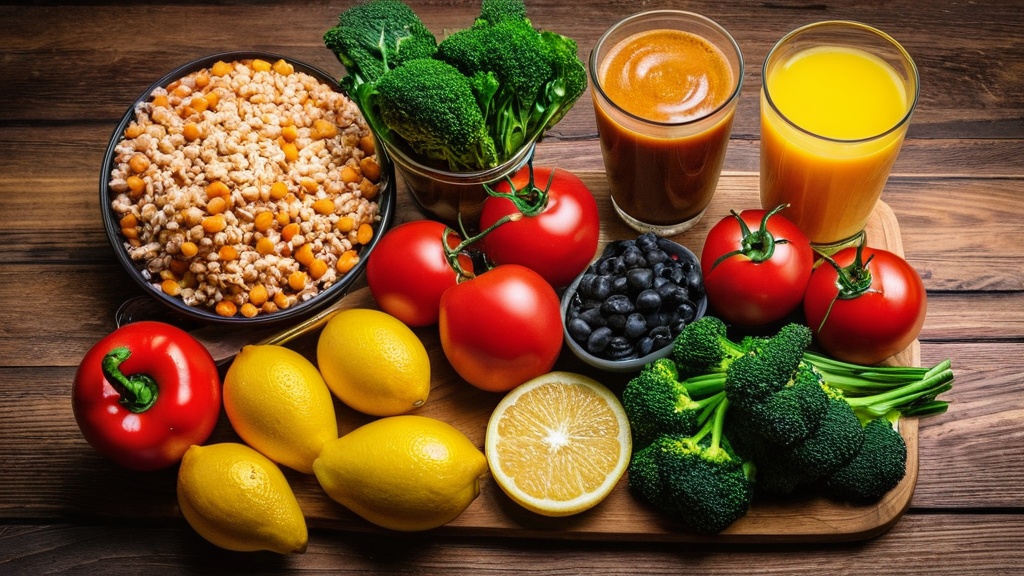
While protein rebuilds, carbohydrates refuel. They replenish glycogen stores, your body’s primary energy source. Depleted glycogen can prolong recovery.
The Importance of Glycogen
During exercise, your muscles use stored glycogen. After intense workouts, these stores are low. Eating carbohydrates post-workout helps restock them. This process is crucial for subsequent workouts. The American College of Sports Medicine recommends carbohydrate intake for recovery.
Sweet Potatoes
Sweet potatoes are complex carbohydrates. They provide sustained energy and are rich in vitamins. They also contain antioxidants. These contribute to overall health and recovery. A medium sweet potato offers about 25g of carbs.
- Example: Sweet potatoes are like a slow-release battery. They keep your energy levels steady.
- Actionable Tip: Bake or roast sweet potatoes as a side dish. Pair them with a protein source for a complete meal.
Bananas
Bananas are easily digestible carbohydrates. They offer quick energy and potassium. Potassium is an electrolyte vital for muscle function. It helps prevent cramps and supports hydration. Many athletes favor bananas for quick replenishment.
- Example: Think of bananas as a quick energy boost. They are like a fast-charging station for your muscles.
- Actionable Tip: Grab a banana post-workout. Its portability makes it a convenient choice.
Oats
Oats are another excellent source of complex carbohydrates. They release energy slowly, preventing sugar spikes. They also provide fiber, which aids digestion. Starting your day with oats can set a good tone for recovery. The Journal of Nutrition and Metabolism has explored the benefits of complex carbohydrates.
- Example: Oats are like a steady, flowing river of energy. They keep your body fueled consistently.
- Actionable Tip: Enjoy a bowl of oatmeal for breakfast. Add fruit and nuts for extra nutrients.
4. Healthy Fats for Cellular Health
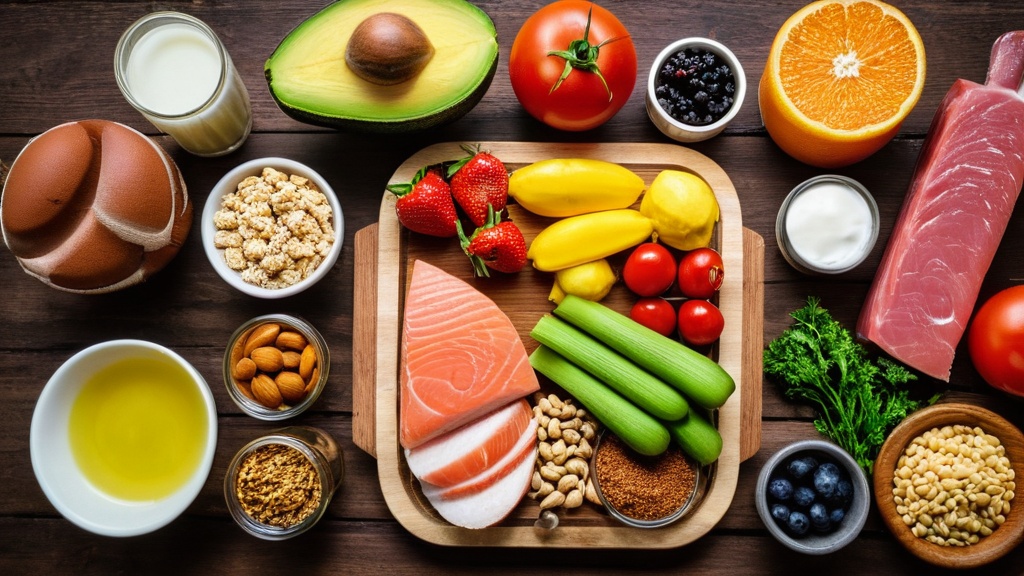
Not all fats are bad. Healthy fats are crucial for hormone production and cell membrane integrity. They also play a role in reducing inflammation.
Avocado
| Food | Benefits |
|---|---|
| Salmon | Rich in omega-3 fatty acids which help reduce inflammation and muscle soreness |
| Turmeric | Contains curcumin, a natural anti-inflammatory compound |
| Cherries | High in antioxidants and can help reduce muscle soreness |
| Spinach | Contains magnesium which can help relax muscles and reduce cramping |
Avocados are rich in monounsaturated fats. These fats are heart-healthy and contribute to reduced inflammation. They also provide potassium and vitamins C, E, and K. These nutrients support overall recovery. The American Heart Association endorses monounsaturated fats.
- Example: Avocados are like a protective shield for your cells. They help keep cell membranes strong and healthy.
- Actionable Tip: Add sliced avocado to your salads or sandwiches. You can also make a quick avocado toast.
Nuts and Seeds
Almonds, walnuts, chia seeds, and flax seeds are nutritional powerhouses. Walnuts and flax seeds are particularly high in omega-3 fatty acids. Chia seeds offer protein, fiber, and omega-3s. These contribute to inflammation reduction and muscle repair. The British Journal of Nutrition has published studies on nut consumption.
- Example: Nuts and seeds are like tiny nutrient bombs. They deliver a concentrated dose of benefits.
- Actionable Tip: Sprinkle a handful of nuts and seeds over your yogurt or oatmeal. They make a great snack.
5. Hydration Heroes
Water is often overlooked but critical. Dehydration impairs every bodily function, including recovery. Proper hydration ensures nutrients reach muscles efficiently.
Water
Water makes up a large part of muscle tissue. It transports nutrients and removes waste products. Dehydration can exacerbate muscle soreness. It can also reduce performance. The European Journal of Applied Physiology emphasizes hydration for athletes.
- Example: Think of water as the delivery truck for your body. It brings essential supplies and takes away waste.
- Actionable Tip: Drink water consistently throughout the day. Aim for small, frequent sips.
Coconut Water
Coconut water is a natural electrolyte-rich beverage. It contains potassium, sodium, and magnesium. These electrolytes are lost through sweat. Replenishing them is crucial for maintaining fluid balance and muscle function. It can be a good alternative to plain water during or after a long workout.
- Example: Coconut water is like a natural sports drink. It helps restore what you lose during exercise.
- Actionable Tip: Enjoy coconut water after an intense, sweaty workout. Choose unsweetened varieties.
6. Antioxidant-Rich Fruits and Vegetables
Antioxidants combat oxidative stress. Intense exercise creates free radicals, which can cause cellular damage. Antioxidants neutralize these harmful molecules. This helps reduce inflammation and speeds up recovery.
Berries
Berries like blueberries, strawberries, and raspberries are bursting with antioxidants. They also contain vitamin C, which is important for collagen synthesis. Collagen is a key component of muscle and connective tissue. The Journal of Agricultural and Food Chemistry highlights berry antioxidant properties.
- Example: Berries are like tiny bodyguards. They protect your cells from damage caused by free radicals.
- Actionable Tip: Add a handful of mixed berries to your morning smoothie or oatmeal.
Leafy Greens
Spinach, kale, and other leafy greens are nutrient-dense. They provide vitamins, minerals, and antioxidants. These contribute to a healthy immune system and reduced inflammation. They also contain nitrates, which can improve blood flow.
- Example: Leafy greens are like a multi-vitamin from nature. They pack a punch of essential nutrients.
- Actionable Tip: Include a generous serving of leafy greens in your daily meals. Try them in salads, stir-fries, or smoothies.
Beets
Beets are rich in nitrates, which the body converts to nitric oxide. Nitric oxide improves blood flow and oxygen delivery to muscles. This can enhance exercise performance and speed up recovery. They also contain valuable antioxidants. Nitric Oxide: Biology and Chemistry journal has many studies on beets.
- Example: Beets are like a supercharger for your blood flow. They help deliver more oxygen and nutrients to working muscles.
- Actionable Tip: Roast beets or add them to juices. You can also look for beetroot powder supplements.
7. The Power of Sleep and Consistency
While food is crucial, recovery is a holistic process. Two non-food components are equally vital: sleep and consistency.
Prioritize Quality Sleep
Sleep is when your body truly repairs and rebuilds. During deep sleep, growth hormone is released. This hormone is essential for muscle repair and recovery. Lack of sleep can hinder this process significantly. The Journal of Sleep Research emphasizes sleep’s role in recovery.
- Example: Sleep is like putting your body in “repair mode.” It is when the most important work gets done.
- Actionable Tip: Aim for 7-9 hours of quality sleep each night. Create a consistent sleep schedule.
Consistent Nutrition and Training
One-off healthy meals are good, but consistency is better. Regularly fueling your body with these beneficial foods yields the best results. Similarly, consistent training allows your body to adapt progressively. Over-training without proper rest can worsen DOMS.
- Example: Think of your body as a garden. Consistent watering and feeding lead to a flourishing garden, not just occasional care.
- Actionable Tip: Plan your meals ahead of time. Gradually increase your training intensity.
Building a Recovery Meal Plan
Integrating these foods into your diet is simple. Focus on balanced meals and snacks.
Pre-Workout Fuel
A mix of complex carbs and a little protein is ideal. This provides sustained energy for your workout.
- Example: Oatmeal with berries and a scoop of protein powder.
- Actionable Tip: Eat 1-2 hours before exercise. This allows for proper digestion.
Post-Workout Replenishment
Focus on protein and carbohydrates within a few hours. This is the “anabolic window,” though not as strict as once thought.
- Example: Grilled chicken breast with sweet potato and steamed greens.
- Actionable Tip: Have a protein shake with a banana if a meal isn’t immediately available.
Throughout the Day
Maintain consistent nutrient intake. Stay hydrated and include anti-inflammatory foods.
- Example: Snacks like a handful of almonds, Greek yogurt, or an apple.
- Actionable Tip: Keep healthy snacks readily available. This prevents reaching for less nutritious options.
Listen to Your Body
Everyone’s body responds differently. Pay attention to how different foods affect your recovery. Adjust your diet based on your personal needs and exercise intensity.
Conclusion
DOMS can be inconvenient, but it is manageable. By strategically incorporating these seven food categories, you empower your body to recover faster. Focus on protein, anti-inflammatory compounds, healthy carbs, fats, hydration, and antioxidants. Remember, consistent effort in both nutrition and training leads to optimal results. Fuel your body wisely, and enjoy getting stronger with less soreness.
FAQs
What is DOMS?
DOMS stands for Delayed Onset Muscle Soreness, which is the pain and stiffness felt in muscles several hours to days after unaccustomed or strenuous exercise.
What are some foods that can help with DOMS?
Foods that can help with DOMS include those high in protein, such as lean meats, eggs, and dairy products, as well as foods high in anti-inflammatory properties, such as fatty fish, nuts, and berries.
How does protein help with DOMS?
Protein helps with DOMS by aiding in muscle repair and growth. Consuming protein after exercise can help reduce muscle soreness and promote recovery.
What are some anti-inflammatory foods that can help with DOMS?
Some anti-inflammatory foods that can help with DOMS include fatty fish (such as salmon and mackerel), nuts (such as almonds and walnuts), and berries (such as blueberries and strawberries).
Are there any specific nutrients that can help with reducing DOMS?
In addition to protein and anti-inflammatory foods, nutrients such as omega-3 fatty acids, vitamin C, and vitamin E have been shown to help reduce muscle soreness and aid in recovery from exercise-induced muscle damage.