Fueling your body right before a workout makes a big difference. Imagine hitting the gym with boundless energy, ready to crush your goals. The food you eat beforehand provides that vital spark. Let’s explore science-backed ways to optimize your pre-workout nutrition for muscle growth.
Understanding Pre-Workout Nutrition Principles
Your muscles need specific nutrients to perform their best. Carbohydrates provide energy. Protein helps with muscle repair. Healthy fats offer sustained fuel. Timing these nutrients is key for optimal results.
Carbohydrates are your body’s preferred energy source. They get broken down into glucose. Glucose fuels your muscles during exercise. Without enough, you might feel sluggish.
Proteins are building blocks for muscle. Exercise creates tiny tears in muscle fibers. Protein helps repair these tears. This repair process leads to muscle growth over time.
Fats also play a role. They offer a concentrated energy source. However, fats digest slowly. A large amount right before a workout can cause discomfort.
The Role of Carbohydrates for Muscle Building
Carbohydrates are crucial for energy. They replenish muscle glycogen stores. Glycogen is stored glucose. Intense workouts deplete these stores rapidly.
Complex carbohydrates are ideal. They release energy slowly. This provides sustained fuel throughout your workout. Think oats, brown rice, or sweet potatoes.
Simple carbohydrates offer quick energy. They are digested rapidly. This can be useful closer to your workout. Fruits like bananas are a good choice.
Research supports carbohydrate intake. A study in the Journal of Sports Sciences highlighted this importance. It showed improved exercise performance with adequate carb consumption.
For muscle gain, sustained energy is vital. You want to lift heavy and complete more reps. Carbs provide this fuel. Aim for 0.5-1 gram of carbohydrates per kilogram of body weight. Consume these 1-3 hours before your workout.
The Power of Protein for Muscle Synthesis
Protein intake is non-negotiable for muscle growth. It provides amino acids. These are essential for muscle repair and building. Your body cannot produce all amino acids itself.
Eating protein before a workout ensures a positive protein balance. It prevents muscle breakdown during exercise. This is especially true for prolonged or intense sessions.
Studies confirm protein’s role. A review in Nutrients emphasized its anabolic effects. It promotes muscle protein synthesis. This leads to more muscle over time.
Whey protein is a popular choice. It digests quickly. This makes amino acids readily available. Casein protein digests more slowly. Eggs, chicken, and Greek yogurt are other excellent sources.
Aim for 20-30 grams of protein. Consume this 1-3 hours pre-workout. This gives your body time to absorb it. This also starts the muscle recovery process early.
Optimal Pre-Workout Meal Timing Strategies
Timing your pre-workout meal is a science. It balances digestion and energy availability. Eating too close can cause cramps. Eating too far can leave you depleted.
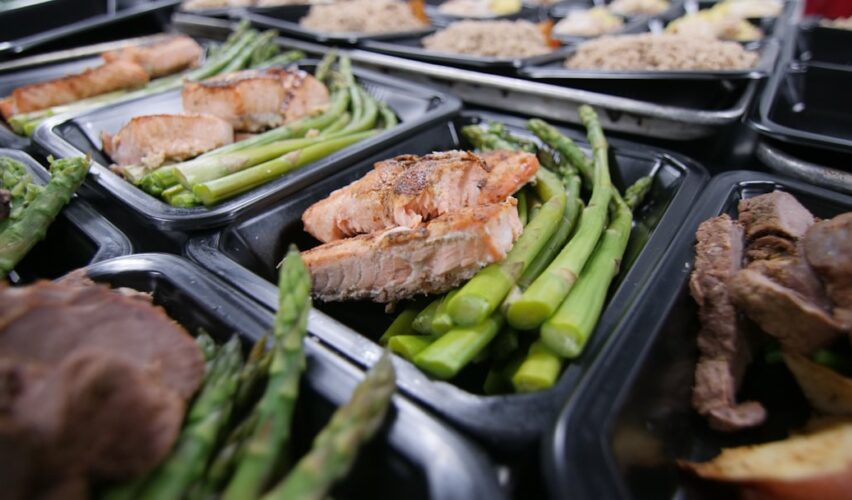
- 2-3 Hours Before Workout: This allows for a more substantial meal. Combine complex carbs, lean protein, and a small amount of healthy fat. An example is chicken breast, brown rice, and steamed vegetables. Your body needs time to digest these macronutrients.
- 1 Hour Before Workout: Opt for easily digestible foods here. Focus on carbohydrates and protein. A banana with a scoop of whey protein is a good option. This provides quick energy and amino acids without stomach upset.
- 30 Minutes Before Workout: Keep it very light. A piece of fruit or a small protein shake works well. Glucose from fruit provides immediate fuel. Avoid large meals this close to training.
Individual digestion varies. Experiment to find your sweet spot. Pay attention to how your body feels. Some people tolerate food closer to exercise. Others need more time.
- Hydration is Key: Do not forget water. Dehydration impairs performance. Drink water consistently throughout the day. Aim for 1-2 cups of water before your workout. The American College of Sports Medicine recommends this.
Top Pre-Workout Meal Ideas for Muscle Building
Crafting the perfect pre-workout meal is simple. Focus on nutrient-dense options. These provide maximum benefit with minimal fuss. Here are some excellent choices:
- Oatmeal with Berries and Protein Powder:
- Nutrient Profile: Complex carbs, fiber, protein, antioxidants.
- Why it works: Oats offer sustained energy release. Berries provide vitamins and quick sugar. Protein powder enhances muscle synthesis. This is a classic, effective combination.
- Preparation: Cook rolled oats with water or milk. Stir in a scoop of protein powder. Top with a handful of fresh or frozen berries.
- Timing: 1-2 hours before intense exercise.
- Chicken Breast and Sweet Potato:
- Nutrient Profile: Lean protein, complex carbs, vitamins.
- Why it works: Chicken breast is a fantastic protein source. Sweet potatoes deliver slow-releasing carbohydrates. This meal promotes fullness and sustained energy. It supports muscle repair and growth directly.
- Preparation: Bake or grill chicken breast. Roast or boil sweet potato. Season simply with herbs and spices.
- Timing: 2-3 hours before your workout.
- Greek Yogurt with Granola and Banana:
- Nutrient Profile: Protein, complex carbs, simple carbs, probiotics.
- Why it works: Greek yogurt is high in protein. It also contains beneficial probiotics. Granola adds crunch and complex carbs. Banana provides quick energy and potassium. This meal is both satisfying and effective.
- Preparation: Combine Greek yogurt with a serving of whole-grain granola. Slice a banana on top.
- Timing: 1-1.5 hours before your training session.
- Whole Wheat Toast with Avocado and Egg:
- Nutrient Profile: Complex carbs, healthy fats, protein.
- Why it works: Whole wheat toast offers steady energy. Avocado provides healthy monounsaturated fats. Eggs are a complete protein source. This balanced meal supports both energy and muscle building.
- Preparation: Toast whole wheat bread. Mash avocado on top. Top with a boiled or poached egg.
- Timing: 1.5-2 hours before your workout.
- Fruit Smoothie with Protein Powder:
- Nutrient Profile: Simple carbs, protein, vitamins, minerals.
- Why it works: Smoothies are easily digestible. Fruits deliver quick energy. Protein powder ensures amino acid availability. This is perfect for those who need a liquid option.
- Preparation: Blend a banana, a cup of berries, a scoop of protein powder, and water or almond milk.
- Timing: 30-60 minutes before your workout. This provides a rapid energy boost.
- Cottage Cheese with Pineapple:
- Nutrient Profile: Protein, simple carbs, calcium.
- Why it works: Cottage cheese is rich in casein protein. Casein digests slowly. Pineapple offers quick sugars and enzymes. This aids digestion. It offers a steady supply of amino acids.
- Preparation: Mix cottage cheese with chopped or canned pineapple.
- Timing: 1-1.5 hours before your exercise.
- Rice Cakes with Almond Butter:
- Nutrient Profile: Simple carbs, healthy fats, some protein.
- Why it works: Rice cakes provide easily digestible carbohydrates. Almond butter adds healthy fats. It also contributes a bit of protein. This is a lighter, quick-energy option.
- Preparation: Spread almond butter on rice cakes.
- Timing: 30-45 minutes before your workout.
Important Considerations and Tips
Beyond specific meals, general nutrition principles apply. Consistency is key for long-term muscle gain. No single meal will magically transform your physique.
- Listen to Your Body: Everyone is different. What works for one person might not work for another. Pay attention to how different foods affect your energy and digestion. Adjust accordingly. Small changes can lead to huge improvements.
- Avoid Overeating: Eating too much before a workout can cause discomfort. Nausea, bloating, or stomach cramps can hinder performance. Focus on appropriate portion sizes.
- Limit High-Fiber Foods Immediately Pre-Workout: Fiber is important. However, too much right before exercise can cause digestive issues. It slows digestion. This might lead to discomfort during your training. The Mayo Clinic advises moderation.
- Steer Clear of High-Fat Meals: Fats are essential. But they digest very slowly. A meal high in fat before a workout diverts blood flow. Blood goes to the digestive system. This reduces blood flow to working muscles. This can impair performance.
- Experiment with Different Foods: Keep a food journal. Note what you ate. Document how you felt during your workout. This helps identify optimal pre-workout nutrition strategies. You will discover personal preferences.
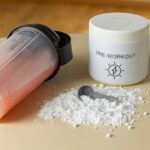
- Supplements Can Complement, Not Replace: Protein powder or branched-chain amino acids (BCAAs) can be useful. They offer convenience. They are not a substitute for whole, nutrient-dense foods. Focus on your base diet first.
Post-Workout Nutrition for Recovery and Growth
The pre-workout meal sets the stage. Post-workout nutrition completes the cycle. It is equally important for muscle repair and growth. Your body needs replenishment after exertion.
Consume protein and carbohydrates after your workout. This replenishes glycogen stores. It also kickstarts muscle protein synthesis. Aim for this within 30-60 minutes post-exercise.
- Protein: Provides amino acids for muscle repair.
- Carbohydrates: Replenish energy reserves.
An example post-workout meal could be grilled salmon with quinoa. Another option is a protein shake with a banana. This combination optimizes recovery. It prepares your body for the next training session.
Conclusion: Fueling Your Muscle Growth Journey
Optimal pre-workout nutrition is a powerful tool. It enhances energy. It supports muscle repair. It contributes significantly to muscle growth. By understanding carbohydrate and protein roles, you can make informed choices.
Experiment with different foods. Find what works best for your body. Remember, consistency and proper timing are essential. Fuel your body wisely. Watch your muscle gains flourish. You will feel stronger, perform better, and achieve your fitness goals.
FAQs
What are pre-workout meals?
Pre-workout meals are meals or snacks consumed before a workout to provide the body with the necessary nutrients and energy to perform at its best.
What should a pre-workout meal consist of?
A pre-workout meal should consist of a balance of carbohydrates and protein to provide energy and support muscle recovery. It should also be low in fat and fiber to prevent digestive discomfort during exercise.
When is the best time to eat a pre-workout meal?
The best time to eat a pre-workout meal is 1-3 hours before a workout. This allows enough time for digestion and absorption of nutrients, providing the body with sustained energy during exercise.
What are some examples of pre-workout meals?
Examples of pre-workout meals include a banana with a scoop of peanut butter, Greek yogurt with berries, a turkey and cheese sandwich on whole grain bread, or a smoothie made with protein powder, fruit, and almond milk.
Are pre-workout supplements necessary for muscle building?
Pre-workout supplements are not necessary for muscle building, as whole foods can provide the necessary nutrients for energy and muscle recovery. However, some individuals may choose to use pre-workout supplements for convenience or specific performance goals.