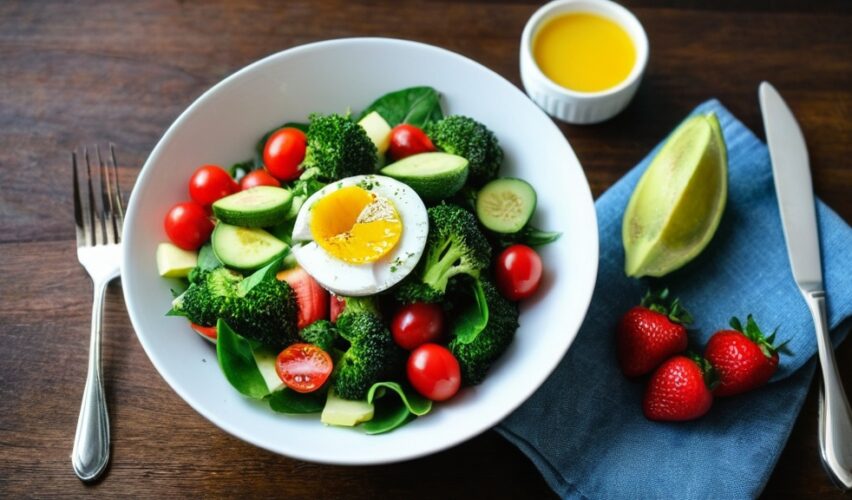
Want to build strong, lean muscle? It is not just about lifting weights. What you eat fuels your body. Clean eating supercharges your muscle growth.
Clean eating focuses on whole, unprocessed foods. You choose nutrient-rich options. This approach minimizes artificial ingredients. It supports your overall health.
Real Foods, Real Results
Think fresh fruits and vegetables. Lean proteins are key. You include healthy fats. Whole grains provide sustained energy. These foods are packed with vitamins and minerals.
Eating a balanced diet boosts muscle repair. It also enhances growth. Processed foods lack these benefits. They can hinder your progress. Choose wisely for better gains.
Scenario: Imagine your muscles are like a house. Processed foods are like using flimsy materials. Clean foods are strong bricks and sturdy wood. Which house will stand taller and stronger?
The Science Behind Muscle Growth
Muscle protein synthesis is crucial. This is how your body builds new muscle. Amino acids are the building blocks. You get these from protein-rich foods.
Strength training creates tiny tears. Your body repairs these tears. It makes muscles bigger and stronger. Adequate nutrition supports this process.
Protein Power
Protein is paramount for muscle. It supplies essential amino acids. Aim for a variety of sources. Chicken, fish, eggs, and legumes are excellent choices.
How much protein do you need? Generally, 1.6 to 2.2 grams per kilogram. This range supports muscle growth. Spread your intake throughout the day.
Tip: Have protein with every meal. A hard-boiled egg with breakfast helps. A chicken breast at lunch is good. Greek yogurt as a snack works well.
Carbohydrates: Your Energy Source
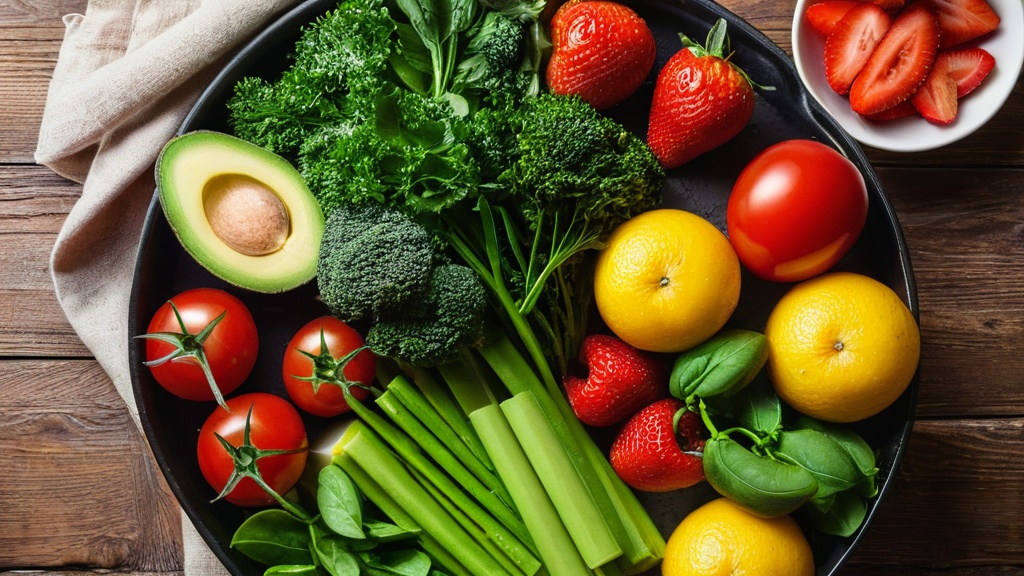
Carbohydrates fuel your workouts. They replenish glycogen stores. Glycogen is stored energy in your muscles. Insufficient carbs can lead to fatigue.
Choose complex carbohydrates. These release energy slowly. They prevent blood sugar spikes. Brown rice, oats, and sweet potatoes are good examples.
Pre-Workout Fuel
Eating carbs before exercise helps. It provides immediate energy. This improves performance. You can lift heavier. You can train longer.
A banana or a slice of whole-wheat toast works. Have it 30-60 minutes before training. This ensures proper digestion. You will feel energized.
Scenario: Think of your muscles as a car. Carbohydrates are the fuel. Without good fuel, your car won’t run. Your muscles need quality fuel too.
Post-Workout Recovery
Carbs after your workout are vital. They refill depleted glycogen stores. This speeds up recovery. It prepares you for your next session.
Combine carbs with protein post-workout. This enhances muscle repair. A protein shake with fruit is ideal. Or a meal with lean protein and quinoa.
Tip: Within an hour of training, eat carbs and protein. This nutrient timing is beneficial. It optimizes muscle recovery. It boosts growth.
Healthy Fats: Essential for Hormones and Health
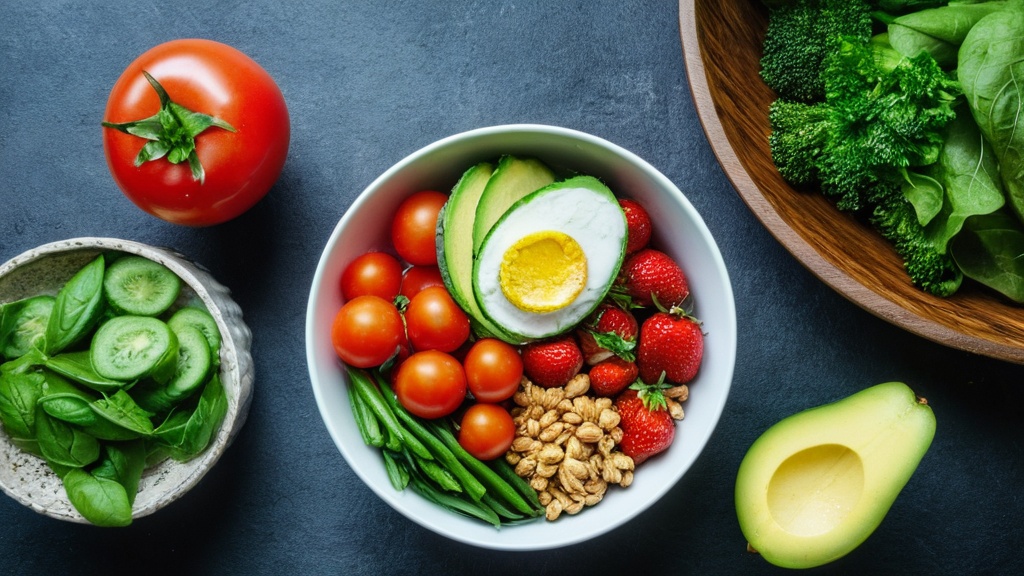
Do not fear fats. Healthy fats are important. They support hormone production. Hormones are crucial for muscle gain. Testosterone is one example.
Fats absorb fat-soluble vitamins. These vitamins are A, D, E, and K. They play various roles in health. They support muscle function.
Good Fats vs. Bad Fats
Focus on unsaturated fats. Avocados, nuts, and olive oil are good sources. Fatty fish like salmon provides omega-3s. These fats reduce inflammation.
Limit saturated and trans fats. They offer little nutritional value. They can negatively impact health. Choose whole food sources of fat.
Tip: Add a quarter of an avocado to your salad. Snack on a handful of almonds. Cook with olive oil. These small changes add up.
Hydration: Often Overlooked, Always Important
| Metric | Value |
|---|---|
| Protein intake | 1-1.5 grams per pound of body weight |
| Caloric surplus | 10-20% above maintenance level |
| Complex carbohydrates | Whole grains, fruits, and vegetables |
| Fats | Healthy sources like avocados and nuts |
| Hydration | Drink at least 8-10 glasses of water per day |
Water is essential for performance. It transports nutrients. It regulates body temperature. Dehydration hinders muscle function. It reduces strength.
Drink plenty of water daily. Aim for 8-10 glasses. Increase intake during workouts. Electrolytes can also be beneficial.
Water for Recovery
Water aids in nutrient delivery. It flushes out waste products. This speeds up recovery. It prevents muscle cramps.
Feeling thirsty is a sign of dehydration. Do not wait until then. Sip water consistently throughout your day.
Scenario: Your body is like a complex machine. Water is the lubricant. Without it, the machine grinds to a halt. Keep your body well-lubricated.
Tip: Keep a water bottle handy. Refill it often. Add a squeeze of lemon for flavor. Make hydration a habit.
Meal Timing and Frequency
Eating regularly maintains energy. It provides a steady supply of nutrients. This prevents extreme hunger. It helps control portion sizes.
Aim for 3 main meals and 2-3 snacks. Distribute your protein intake. This maximizes muscle protein synthesis.
Pre-Sleep Nutrition
Consider a slow-digesting protein before bed. Casein protein is a good option. Cottage cheese also works well. This feeds your muscles overnight.
Your body repairs and grows during sleep. Providing nutrients supports this. It helps prevent muscle breakdown.
Tip: Have a small serving of cottage cheese. Or a casein protein shake. Do this about an hour before sleep. This provides amino acids for hours.
Planning and Preparation
Successful clean eating requires planning. Meal prepping saves time. It ensures healthy choices are available. This prevents impulsive, unhealthy eating.
Dedicate time each week for prep. Cook in bulk. Portion out your meals. Store them in containers.
Smart Shopping
Make a grocery list. Stick to the perimeter of the store. This is where fresh produce is. Avoid the inner aisles filled with processed foods.
Read food labels carefully. Look for whole ingredients. Avoid added sugars and artificialitives. Choose quality over convenience.
Scenario: Imagine you are training for a marathon. You would plan your routes. You would schedule your runs. Clean eating needs similar planning.
Tip: Cook a large batch of chicken breast. Roast a pan of vegetables. Prepare overnight oats for breakfast. Your future self will thank you.
Supplements: A Complement, Not a Replacement
Supplements can be useful. They fill nutritional gaps. They can enhance performance. However, they are not magic pills. They complement a solid diet.
Protein powder is popular. Creatine boosts strength and power. BCAAs can aid recovery. Always research supplements thoroughly.
Quality and Safety
Choose reputable brands. Look for third-party testing. This ensures purity and potency. Consult a professional before starting new supplements.
Supplements should never replace whole foods. A balanced diet is fundamental. Supplements are supportive tools.
Tip: Start with a quality protein powder. Add creatine if appropriate for your goals. Always prioritize your whole food intake first.
Listening to Your Body
Everyone is unique. What works for one person may not for another. Pay attention to your body’s signals. Adjust your intake as needed.
Track your progress. Journal your food and workouts. This helps identify what works. It helps you make informed changes.
Adjusting for Progress
Your caloric needs change. As you gain muscle, you might need more. If you hit a plateau, reassess. Small adjustments can make a big difference.
Do not be afraid to experiment. Try new recipes. Explore different food combinations. Make clean eating enjoyable.
Scenario: A tailor adjusts a suit to fit you perfectly. Similarly, you must adjust your diet. It needs to fit your unique body and goals.
Tip: Weigh yourself weekly. Take progress photos. Notice how you feel after different meals. This feedback is invaluable.
Consistency is Key
Muscle gain is a journey. It requires patience and dedication. Consistency in your eating habits is paramount. Small, consistent efforts yield big results.
Do not aim for perfection. Strive for progress. Allow for occasional treats. Focus on the overall pattern of your diet.
Long-Term Lifestyle
Clean eating is not a short-term diet. It’s a sustainable lifestyle. Embrace it for lasting health benefits. Embrace it for continuous muscle growth.
Enjoy the process. Savor your nutritious meals. Feel proud of your choices. Your body will thank you.
Tip: Start with one new clean eating habit per week. Build on it slowly. This makes it manageable. It increases your chances of sticking with it.
By following these principles, you fuel your body effectively. You create an optimal environment for muscle gain. Combine clean eating with consistent training. You will see remarkable results. Embrace this journey to a stronger, healthier you.
FAQs
What is clean eating?
Clean eating refers to consuming whole, unprocessed foods such as fruits, vegetables, lean proteins, and whole grains while avoiding processed and refined foods, added sugars, and unhealthy fats.
How does clean eating contribute to muscle gain?
Clean eating provides the body with essential nutrients, vitamins, and minerals necessary for muscle growth and repair. Whole foods also help regulate energy levels and support overall health, which is crucial for effective muscle gain.
What are some examples of clean eating for muscle gain?
Examples of clean eating for muscle gain include lean proteins such as chicken, turkey, and fish, complex carbohydrates like quinoa and sweet potatoes, healthy fats from avocados and nuts, and plenty of fruits and vegetables for essential vitamins and minerals.
Can clean eating alone help with muscle gain?
While clean eating is essential for overall health and muscle gain, it should be combined with a consistent exercise routine that includes strength training to effectively build and maintain muscle mass.
Are there any potential drawbacks to clean eating for muscle gain?
One potential drawback of clean eating for muscle gain is the need for careful meal planning and preparation to ensure adequate protein intake and overall calorie consumption. Additionally, some individuals may find it challenging to meet their calorie and macronutrient needs solely through clean eating.