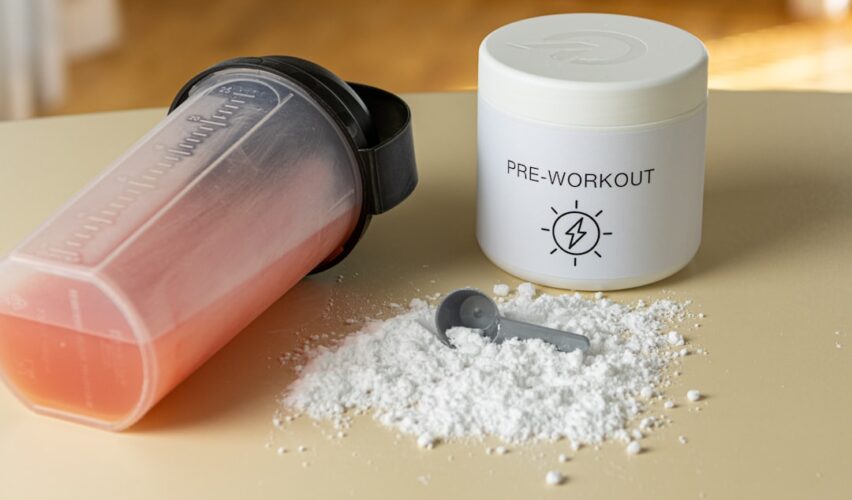
Imagine pushing your limits during a tough workout. Afterward, your muscles ache. You want them to recover quickly. What you eat matters. This might be the secret to faster muscle repair.
Muscle recovery is crucial. It helps rebuild damaged muscle fibers. It replenishes energy stores. Proper nutrition speeds this process. Carbohydrates are key for this. They provide the necessary energy.
The Role of Glycogen
Muscles store carbohydrates as glycogen. Intense exercise depletes these stores. Replenishing glycogen is a priority. This allows muscles to perform again. It prevents fatigue.
Glycogen Depletion
During strenuous activity, muscles use glycogen. Think of a long bike ride. Your thighs burn. This is glycogen being used for energy. The more intense the workout, the more glycogen leaves.
Glycogen Replenishment
After exercise, your body seeks to refill glycogen. This process is called glycogen synthesis. It happens most efficiently soon after training. Consuming carbohydrates helps this.
Fructose vs. Glucose: The Players
We often see fructose and glucose together. They are simple sugars. They come from food. Understanding their differences is helpful. This impacts how our bodies use them.
What is Glucose?
Glucose is the body’s main energy source. Our cells prefer glucose. It enters cells easily. The bloodstream carries glucose. Insulin helps cells absorb it.
Glucose in the Body
Your body produces glucose. It also absorbs it from food. Sugary drinks and bread contain glucose. Fruits also have glucose.
Glucose Metabolism
When you eat glucose, blood sugar rises. This signals insulin release. Insulin unlocks cell doors. Glucose enters muscles and liver. They store it as glycogen.
What is Fructose?
Fructose is fruit sugar. It tastes sweeter than glucose. It is found in fruits and honey. High-fructose corn syrup also contains it.
Fructose in Nature
Fruits are a great source of fructose. Berries, apples, and bananas provide it. It gives fruits their sweet taste.
Fructose Metabolism
Fructose metabolism differs from glucose. It bypasses a key regulatory step. This happens primarily in the liver. The liver converts much of it.
How Sugars Affect Muscle Glycogen

Now, let’s look at recovery. We want to refill muscle glycogen fast. Glucose is very good at this. Fructose is not as direct.
Glucose’s Direct Impact
Glucose directly fuels muscle glycogen. Muscles readily take up glucose. They convert it into glycogen. This is a quick process.
Muscle Glycogen Replenishment Rate
Studies show glucose restores glycogen well. Athletes often consume glucose drinks. These help them recover between events. For example, a marathon runner benefits from glucose.
Fructose’s Indirect Path
Fructose does not go straight to muscles. The liver processes most fructose. It turns fructose into glucose or lactate. Then, these can become glycogen.
Liver’s Role with Fructose
Your liver handles fructose first. It can convert fructose into glucose. This takes time and energy. It is not as immediate for muscles.
Fructose and Liver Glycogen
Fructose is better at topping up liver glycogen. This is important for overall energy. But it is less efficient for muscles. Muscle glycogen is our primary goal.
Scientific Evidence on Recovery
Research helps us understand these fuels. Studies compare different sugar types. They measure glycogen levels. They also assess performance.
Animal Studies
Early research used animal models. These studies showed differences. They looked at how rats recovered. Glucose was more effective. It refilled muscle stores faster.
Early Observations
These findings provided a foundation. They suggested a clear preference. Muscles needed glucose for quick glycogen.
Human Studies
Human trials provide direct evidence. Athletes often participate. They consume different drinks. Researchers measure their performance.
Glycogen Resynthesis Rates
Studies have compared glucose and fructose. They found glucose superior for muscle glycogen. One study measured glycogen levels. Glucose drinks restored them faster.
Performance Outcomes
Faster glycogen replenishment means better performance. Athletes can return to training sooner. They feel more prepared. This is a clear benefit.
Combining Sugars
Sometimes, a mix of sugars works well. Combining glucose and fructose shows promise. It can enhance overall carbohydrate absorption.
Synergistic Effects
Some research suggests a benefit. A blend might be absorbed faster. This is a more complex process. It could lead to better results.
Independent Pathways
Different transporters exist for sugars. Glucose uses one pathway. Fructose uses another. Using both might saturate different systems. This leads to more efficient intake.
Practical Takeaways for Athletes
| Metrics | Fructose | Glucose |
|---|---|---|
| Effect on muscle recovery | May enhance glycogen resynthesis | Rapidly replenishes glycogen stores |
| Absorption rate | Slower absorption | Quick absorption |
| Metabolism | Processed in the liver | Processed in various tissues |
These findings have real-world applications. Athletes can use this knowledge. It helps them choose the right recovery drinks.
Post-Workout Nutrition
What you consume right after exercise matters. Focus on replenishing muscle glycogen. Glucose is a good choice for this.
Simple Carbohydrate Sources
Many sports drinks contain glucose. Maltodextrin is a common ingredient. It breaks down into glucose. It is easily absorbed.
Timing is Key
Consume carbohydrates soon after training. This is when your muscles are most receptive. Within 30-60 minutes is ideal. This maximizes glycogen resynthesis.
Fruit vs. Processed Sugars
Fruits offer nutrients alongside fructose. They provide vitamins and antioxidants. These are also important for recovery.
Whole Fruits are Beneficial
Eating a whole apple or banana is good. The fiber slows sugar absorption. This leads to a gentler rise in blood sugar.
Juice Considerations
Fruit juices concentrate sugars. They lack fiber. This can lead to a rapid sugar spike. Use them in moderation.
Hydration and Electrolytes
Recovery involves more than just sugar. Staying hydrated is critical. Electrolytes help with fluid balance.
Water Intake
Drink plenty of water after exercise. Replace fluids lost through sweat. This supports all bodily functions.
Electrolyte Replacement
Sodium, potassium, and magnesium are electrolytes. They are lost in sweat. Sports drinks often contain them. They help your body function.
Sugar Mixtures in Sports Products
Many sports gels and drinks use blends. They combine glucose and fructose. This strategy aims for optimal absorption.
Gel Formulations
Energy gels often contain glucose and fructose. This mixture is designed for rapid energy. It can improve endurance during long events.
Drinks for Endurance
Sports drinks also use sugar blends. They offer quick energy and hydration. This is helpful during prolonged exercise.
Fructose and Health Considerations
While fructose can be part of a recovery plan, moderation is important. Excessive intake has potential drawbacks. These are separate from acute exercise recovery.
Liver Metabolism and Fat
High fructose intake can impact the liver. The liver may convert excess fructose. This can lead to fat accumulation. This is a long-term health concern.
Non-Alcoholic Fatty Liver Disease
This condition is linked to high sugar diets. Especially those high in fructose. It affects liver function over time.
Blood Lipid Levels
Excess fructose can also affect cholesterol. It may raise triglycerides. This can be detrimental to heart health.
Blood Sugar Regulation
Unlike glucose, fructose does not directly stimulate insulin. This can have implications for appetite. It is not a simple sugar effect.
Insulin Response
Glucose causes a significant insulin spike. This helps signal fullness. Fructose has a less pronounced effect.
Satiety Signals
The gut signals fullness to the brain. Fructose may not trigger these signals as effectively. This could lead to overconsumption.
Dental Health
Like all sugars, fructose contributes to tooth decay. Bacteria in the mouth feed on sugars. They produce acid. This erodes tooth enamel.
Acid Production
When bacteria metabolize sugars, they create acid. This acid can damage teeth. Frequent exposure is harmful.
Sugar Frequency
The frequency of sugar intake matters. Constant sipping on sugary drinks is worse. Opportunities for acid attack increase.
Conclusion: Fueling Your Muscles Wisely
For muscle recovery after exercise, glucose is your primary friend. It directly refuels your muscles. Fructose plays a different role. It is processed by the liver first.
Prioritize Glucose for Glycogen
When aiming for quick muscle glycogen storage, choose glucose-rich sources. This will help you bounce back faster. Your muscles will thank you.
Simple Sugars for Speed
Think of sports drinks with glucose. They are designed for rapid replenishment. This is ideal after intense workouts.
Consider Whole Foods
Whole fruits offer benefits. They provide vitamins and minerals. They also contain fructose. Enjoy them as part of a balanced diet.
Fruits are Nutritious
The benefits of whole fruits are many. Their natural sugars can be part of recovery. They are a healthier choice than processed sweets.
Moderation is Key
Be mindful of your total sugar intake. Excessive fructose can have long-term health effects. Even healthy sugars should be consumed wisely.
Balanced Approach
A balanced diet supports overall health. It also aids muscle recovery. Prioritize nutrient-dense foods. Make informed choices about your fuel.
Consult a Professional (if needed)
If you have specific dietary concerns, speak with a doctor. A registered dietitian can provide personalized advice. They help create a plan that suits you.
Personalized Nutrition
Your individual needs may vary. Genetics, training intensity, and health status play roles. Professional guidance ensures safety and effectiveness.
FAQs
What is the difference between fructose and glucose?
Fructose and glucose are both simple sugars, but they have different chemical structures and are metabolized differently in the body. Glucose is the primary source of energy for the body and is found in many carbohydrates, while fructose is found in fruits and honey and is metabolized in the liver.
How do fructose and glucose affect muscle recovery?
Glucose is the preferred source of energy for muscles during exercise and is quickly absorbed into the bloodstream to replenish glycogen stores in the muscles after a workout. Fructose, on the other hand, is metabolized in the liver and does not have the same immediate impact on muscle recovery.
Can fructose be used for muscle recovery?
While fructose can contribute to overall glycogen replenishment in the body, it is not as effective as glucose for immediate muscle recovery. Consuming a combination of fructose and glucose, such as in the form of fruit or a sports drink, can help support muscle recovery.
Are there any downsides to consuming fructose for muscle recovery?
Excessive consumption of fructose, especially in the form of high-fructose corn syrup found in many processed foods and beverages, has been linked to negative health effects such as insulin resistance, weight gain, and increased risk of chronic diseases. It is important to consume fructose in moderation and as part of a balanced diet.
What are some good sources of glucose for muscle recovery?
Good sources of glucose for muscle recovery include whole grains, starchy vegetables, and sports drinks or energy gels specifically designed for replenishing glycogen stores during and after exercise. Consuming a combination of carbohydrates, including glucose, can help support optimal muscle recovery.