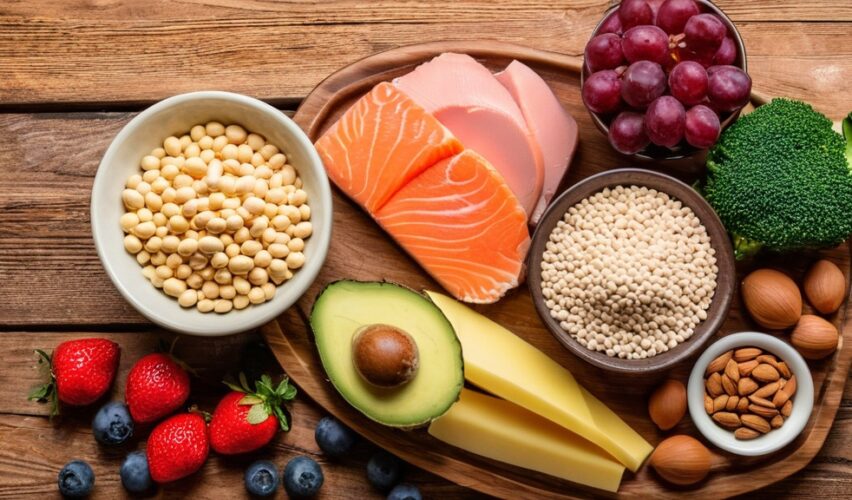
Do you want to build muscle or feel fuller longer? Protein is key. But how much you use depends on how you eat. Let’s explore the art of eating speed.
Protein provides essential building blocks for your body. It helps repair tissues. It also creates enzymes and hormones. Your body breaks down protein into amino acids. These are then absorbed.
Digestion is a complex process. It starts in your mouth. Chewing breaks food into smaller pieces. This increases surface area. Enzymes in saliva begin the work. Food then moves to your stomach. Stomach acid and enzymes further break down protein. Finally, most absorption occurs in the small intestine.
The Role of Eating Speed
Your eating speed matters. Eating too fast can overwhelm your digestive system. This might lead to discomfort. It can also affect nutrient absorption. Slowing down can benefit your body. It allows for better digestion. It also promotes satiety.
Imagine drinking a thick milkshake quickly. Your stomach might feel bloated. Now imagine sipping it slowly. It feels more comfortable. The same principle applies to meals. Slow eating aids the digestive process.
How Fast is Too Fast?
There’s no single correct speed. It varies person to person. Generally, eating within minutes is too fast. Meals should ideally take at least 15-20 minutes. Rushing through food is common. Busy schedules contribute to this.
Consider a competitive eater. They consume vast amounts rapidly. Their bodies are trained for this. For most people, this is not ideal. It can lead to indigestion. Bloating and gas are common.
The Gut’s Signals
Your gut sends signals. These signals tell your brain when you are full. These signals take time to reach your brain. Eating slowly gives these signals time. This helps prevent overeating.
Think about eating a salad. If you rush, you might eat a lot. You may not feel full until later. If you savor each bite, you notice fullness sooner. This is because your brain receives the “full” signals.
Benefits of Slowing Down Your Mealtime
Slowing down offers many advantages. It improves digestion. It helps manage appetite. It can also enhance nutrient absorption. This leads to better overall health. It is a simple habit to adopt.
When you eat slowly, your body has time. It can prepare for digestion. This involves enzyme and acid production. It allows for thorough breakdown of food. This makes nutrients more accessible.
Improved Digestion and Reduced Discomfort
Fast eating can cause stomach upset. It fills your stomach too quickly. This can lead to acid reflux. It can also cause bloating. Slowing down prevents this. It allows your stomach to process food gently.
Think of a clogged drain. If too much water flows too fast, it backs up. Digestion is similar. Your gut needs a steady flow. This prevents backup and discomfort.
Enhanced Satiety and Weight Management
Eating slowly increases feelings of fullness. Satiety hormones are released more effectively. These hormones signal to your brain that you are satisfied. This can prevent overeating. It supports weight management efforts.
Imagine eating a small piece of chocolate slowly. You savor the flavor. You appreciate each moment. Now imagine eating a whole bar quickly. The pleasure is fleeting. The fullness is less satisfying.
Better Nutrient Absorption
When food is chewed thoroughly, it breaks down better. This increases the surface area. Digestive enzymes can work more efficiently. This leads to better absorption of nutrients. Amino acids from protein are more available.
Consider a dry sponge. It absorbs water slowly. Now imagine a squeezed-out sponge. It absorbs water much faster. Thorough digestion preps food for absorption. This makes nutrients readily available.
Practical Strategies for Eating Slower
Adopting a slower eating pace is achievable. It requires conscious effort. Small changes can make a big difference. Focus on mindful eating practices.
Prepare your environment. Remove distractions. Turn off the TV. Put away your phone. Focus only on your meal. This encourages a mindful approach. It helps you connect with your food.
Chewing for Better Digestion
Chew each bite thoroughly. Aim for 20-30 chews per bite. This initiates digestion in your mouth. It breaks food into smaller particles. Salivary enzymes begin protein breakdown. This eases the workload on your stomach.
Think of making a smoothie. The blender works best with smaller chunks. Your stomach is like a blender. Smaller pieces are easier to process. Thorough chewing prepares food well.
Putting Down Your Utensils
Pause between bites. Put your fork or spoon down. This creates intentional breaks. It interrupts the automatic eating cycle. It gives your body a moment to process. This encourages mindful eating.
Imagine a conductor. They pause between musical phrases. This allows the music to resonate. Similar pauses in eating allow your body to register. It helps you assess hunger and fullness.
Using Smaller Plates and Utensils
Smaller plates can trick your brain. They make portions appear larger. This can help you eat less. Smaller utensils also slow you down. They require more bites to finish a portion. This encourages deliberate eating.
Consider a large serving spoon. It can quickly load your mouth. A teaspoon, however, requires smaller scoops. This naturally slows your pace. It makes each bite more deliberate.
Timing Your Protein Intake with Eating Speed
| Food | Eating Speed | Protein Absorption |
|---|---|---|
| Chicken Breast | Slow | High |
| Protein Shake | Fast | Medium |
| Salmon | Moderate | High |
The speed at which you eat protein impacts its use. Eating too fast can reduce absorption. Slowing down optimizes protein utilization. This benefits muscle growth and repair.
Protein digestion is a gradual process. It takes hours to fully break down. Eating it quickly limits this process. It can lead to less efficient amino acid uptake.
The Rate of Protein Digestion
Different protein sources digest at different rates. Whey protein digests quickly. Casein digests slowly. This difference affects how your body uses it. Fast digestion provides quick amino acid spikes. Slow digestion provides a sustained release.
Think of a burst of energy versus steady fuel. Whey is the burst for muscles. Casein is the steady fuel. Both have their uses. Your eating speed influences this.
Maximizing Amino Acid Availability
When you eat protein slowly, amino acids are released gradually. This sustained release is ideal for muscle protein synthesis. Your muscles can utilize these amino acids over time. This supports consistent repair and growth.
Imagine a leaky faucet. It drips steadily. Your muscles get a constant supply. This is beneficial for muscle building. Fast eating can cause a flood. Some amino acids may be missed.
Meal Structure and Protein Absorption
Structure your meals to support protein absorption. Include protein with each meal. Eat these meals slowly and mindfully. This ensures your body can effectively process the protein. It highlights the importance of a balanced approach.
Consider a well-trained athlete. They focus on nutrient timing. They also focus on recovery. Proper protein intake and digestion aid both. Slow eating is part of this strategy.
Connecting Eating Speed to Protein Sources
The type of protein you eat matters. Its texture and composition affect digestion speed. Combining this with your eating speed creates an optimal scenario. This ensures maximum benefit.
Whey protein, a fast-digesting option, benefits from a slightly quicker, yet still mindful, consumption. Dense, slow-digesting proteins, like those in steak or beans, absolutely demand a slower pace for ideal breakdown.
Fast-Digesting Proteins (e.g., Whey)
Whey protein is popular after workouts. It provides a rapid influx of amino acids. Eating it too fast isn’t ideal. Even fast proteins benefit from conscious consumption. Sip it slowly. Allow your body to process it.
If you gulp down a whey shake, you might not absorb all of it. Your body can only handle so much at once. Slow sips are better. They ensure more amino acids are used.
Slow-Digesting Proteins (e.g., Casein, Meat, Legumes)
These proteins take longer to break down. This is their strength. It provides a steady supply of nutrients. Eating them slowly is crucial. It allows your digestive system to work fully. This ensures all the protein is utilized.
Imagine eating a tough cut of meat. You must chew it well. This is the same principle for all slow proteins. Give your stomach ample time.
Protein Blends and Their Optimal Pace
Many protein supplements are blends. They combine fast and slow proteins. This offers varied benefits. Your eating speed should accommodate this blend. Aim for a moderate pace. This balances rapid and sustained release.
A blend might have whey and casein. This gives an initial boost and lasting support. Eating it moderately helps both components. You get immediate and delayed benefits.
Expert Insights and Scientific Backing
Research supports the benefits of mindful eating. Organizations like the Mayo Clinic recommend slowing down. Scientific studies explore digestion and satiety. These findings inform our understanding. They confirm the value of this practice.
A 2013 study in the Journal of the American Dietetic Association showed a link. Slower eating led to greater satiety. It also reduced calorie intake. This highlights the practical impact.
Digestion Physiology Research
Studies on gastric emptying confirm this. Food that is chewed well leaves the stomach faster. However, slower overall eating still aids nutrient absorption. The stomach has time to work. Enzymes are more effective.
Think of digestion like a factory. Each stage needs time. Rushing through a stage causes backups. Slowing down ensures efficiency. Nutrients become ready for absorption.
Satiety Hormones and Gut-Brain Communication
Research on gut hormones is important. Cholecystokinin (CCK) and peptide YY are key. These signal fullness. They are released more effectively with slow eating. This communication is vital for appetite control.
Your gut and brain are constantly talking. Eating triggers this dialogue. Slowing down allows for clearer messages. Your brain understands fullness signals better. This prevents overeating.
Protein Metabolism Studies
Studies show that how fast you digest protein influences its use. Rapid protein intake can lead to amino acid oxidation. This means the body may use them for energy instead of muscle building. Slower, more consistent intake optimizes muscle protein synthesis. This is a crucial finding for those focused on fitness.
A 2009 study in the American Journal of Clinical Nutrition emphasized this. It found that sustained protein release was more anabolic. This means it better supported muscle growth. Slow eating facilitates this release.
Actionable Tips for Maximizing Protein Absorption
Incorporate these simple habits. They will improve your protein use. They will also enhance your overall well-being. Start with one or two. Build from there.
Focus on mindful moments. Enjoy your food. Appreciate the flavors and textures. This shift in attention is powerful. It transforms eating from a task to an experience.
Mindful Eating Practices
Practice one mindful meal per day. Focus on your senses. What do you see, smell, and taste? Chew deliberately. Savor each bite. Notice the subtle changes in flavor. This deepens your connection to food.
Think of a wine tasting. You observe, smell, and taste. You pay attention to nuances. Apply this to your meals. You will notice more. You will eat more intentionally.
Hydration and Digestion
Drink water throughout the day. Avoid large amounts during meals. This can dilute stomach acid. Sip water slowly if needed. Proper hydration supports overall digestion. It helps enzymes function effectively.
Imagine a well-watered plant. It thrives. Your digestive system is similar. Water is essential for its health. But too much at once can be detrimental. Moderation is key.
Combining Protein with Fiber and Healthy Fats
Pair your protein with fiber-rich foods. Include vegetables, fruits, and whole grains. Add healthy fats from sources like avocado or nuts. This creates a balanced meal. It slows digestion further. This enhances nutrient absorption.
Think of a balanced plate. It has protein, carbs, and fats. This combination aids digestion. Fiber and fats act like sponges. They slow the release of nutrients. This leads to sustained energy.
By embracing a slower eating pace, you unlock your protein’s full potential. You build stronger muscles. You feel more satisfied. You support your overall health. It’s a simple, powerful change. Start today and experience the difference.
FAQs
What is the relationship between eating speed and protein absorption?
Eating speed can affect protein absorption in the body. Eating too quickly can lead to poor digestion and absorption of nutrients, including protein.
How does eating speed impact protein digestion?
Eating too quickly can lead to inadequate chewing and mixing of food with digestive enzymes in the mouth, which can result in incomplete breakdown of protein and hinder its absorption in the body.
What are the potential consequences of eating too quickly for protein absorption?
Eating too quickly can lead to digestive discomfort, such as bloating and indigestion, and may also result in inadequate nutrient absorption, including protein.
How can eating speed be adjusted to improve protein absorption?
Eating slowly and mindfully, chewing food thoroughly, and taking time to savor each bite can help improve the digestion and absorption of protein and other nutrients.
Are there any other factors that can affect protein absorption besides eating speed?
Yes, factors such as overall diet, digestive health, and individual metabolism can also impact protein absorption in the body.